The AVP and American beach volleyball culture are closely tied because the tour gave the sport a visible professional home in the United States. Beach volleyball already had deep roots in California, where the game grew around public beaches, local tournaments, and a distinct two-player rhythm. The AVP helped organize that culture into a national stage, giving elite players a tour, recognizable events, sponsor interest, and a clearer path from beach-court reputation to professional identity. Its importance is not only that it staged matches. The AVP helped define what American beach volleyball looked like: athletic, informal, tactical, personality-driven, and rooted in the sand.
From Beachside Competition to a Professional Tour
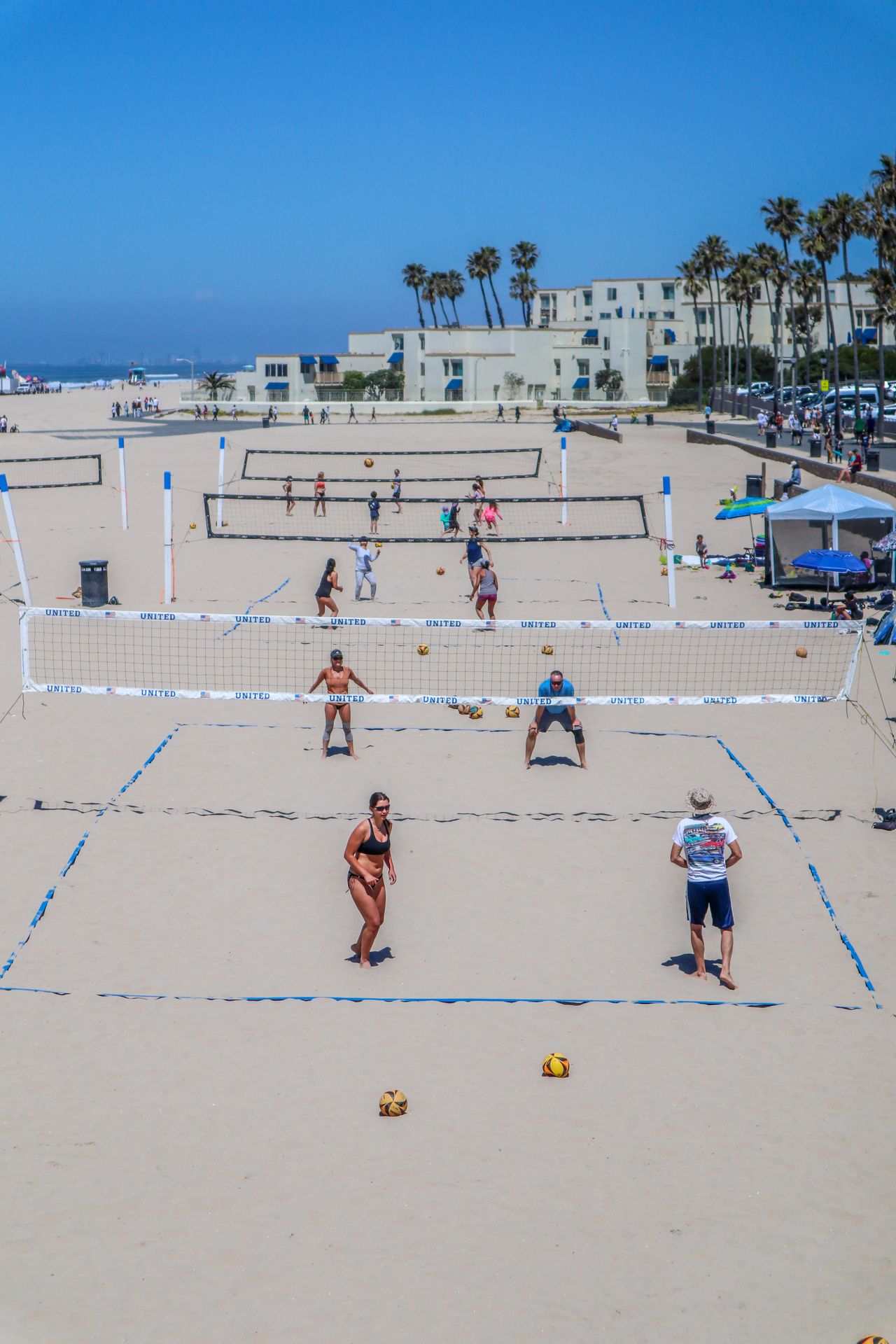
American beach volleyball did not begin as a polished professional product. It grew through local scenes, especially in Southern California, where the beach itself shaped the sport’s style. Two-player volleyball rewarded ball control, endurance, communication, and the ability to read wind, sand, and opponents without the structure of six-player indoor systems. The court was smaller, the margins were tighter, and the partnership mattered as much as any single swing.
That setting gave beach volleyball a different personality from indoor volleyball. It was more exposed and more individual. A player could not disappear into a rotation or rely on a deep bench. Every serve receive, defensive read, set, and attack belonged to one of two people. That made partnerships central to the sport’s identity and helped create a culture where chemistry, trust, and self-management carried unusual weight.
The AVP became important because it turned that competitive beach environment into a professional framework. It gave American beach volleyball a recognizable tour structure and helped move the sport beyond local reputation. Players were no longer only known by the beach community that watched them every weekend. They could become national figures within the sport.
How the AVP and American Beach Volleyball Culture Grew Together
The AVP’s rise gave beach volleyball a stage that matched the sport’s personality. Its best events did not feel like indoor volleyball moved outside. They felt like a different version of the game, built around sun, sand, close crowds, and the tension of two-player problem-solving. That atmosphere became part of the appeal.
American beach volleyball culture also developed through its partnerships. Great teams were not just collections of talent. They were paired identities. One player might control the net while the other covered the backcourt. One might bring power, the other precision. One might set the emotional tone, while the other steadied the match. The AVP helped make those partnerships legible to fans by giving them repeated stages, rivalries, and tournament stakes.
The tour also helped beach volleyball create its own kind of star. The sport’s top players had to be athletes, tacticians, communicators, and public personalities. They competed close to spectators, often in environments that felt less separated from the crowd than indoor arenas. That closeness helped define the American beach volleyball experience. Fans were not just watching a match; they were watching a culture built around access, endurance, and visible partnership pressure.
Why the AVP Still Matters to Beach Volleyball’s Identity
The AVP matters because it helped preserve and promote a specifically American version of beach volleyball. International beach volleyball has become broader and more competitive, with Brazil, Europe, and other regions shaping the global game. But the AVP remains central to the sport’s American memory and domestic structure.
Its influence can be seen in the way beach volleyball is understood in the United States. The sport is associated with coastal courts, summer tournaments, two-player partnerships, and a competitive style that balances power with patience. The AVP helped turn those traits into a professional identity. It gave players a place to build careers and gave fans a way to follow the sport beyond the Olympics.
That legacy is especially important because beach volleyball has often had to fight for attention. Indoor volleyball has schools, colleges, clubs, and national-team systems. Beach volleyball needed tours, events, and visible stars to build continuity. The AVP helped provide that continuity, making the sport feel less like a seasonal spectacle and more like a real competitive world.
The AVP and American beach volleyball culture grew together because the tour did more than organize matches. It gave the beach game a professional language: partnerships, rivalries, signature events, and a style rooted in the American sand. That is why the AVP remains one of the central names in the story of beach volleyball in the United States.