Hong Kong’s volleyball identity is urban, organized, and increasingly visible in Asian competition. It is not one of Asia’s dominant volleyball powers, but it has a long-standing association structure, active domestic competition, national teams that participate in regional events, and a women’s program with a notable recent breakthrough. The Volleyball Association of Hong Kong, China traces its origins to 1951 and is recognized by the FIVB, AVC, and the Sports Federation & Olympic Committee of Hong Kong, China.
A Dense Volleyball Market With Institutional Structure
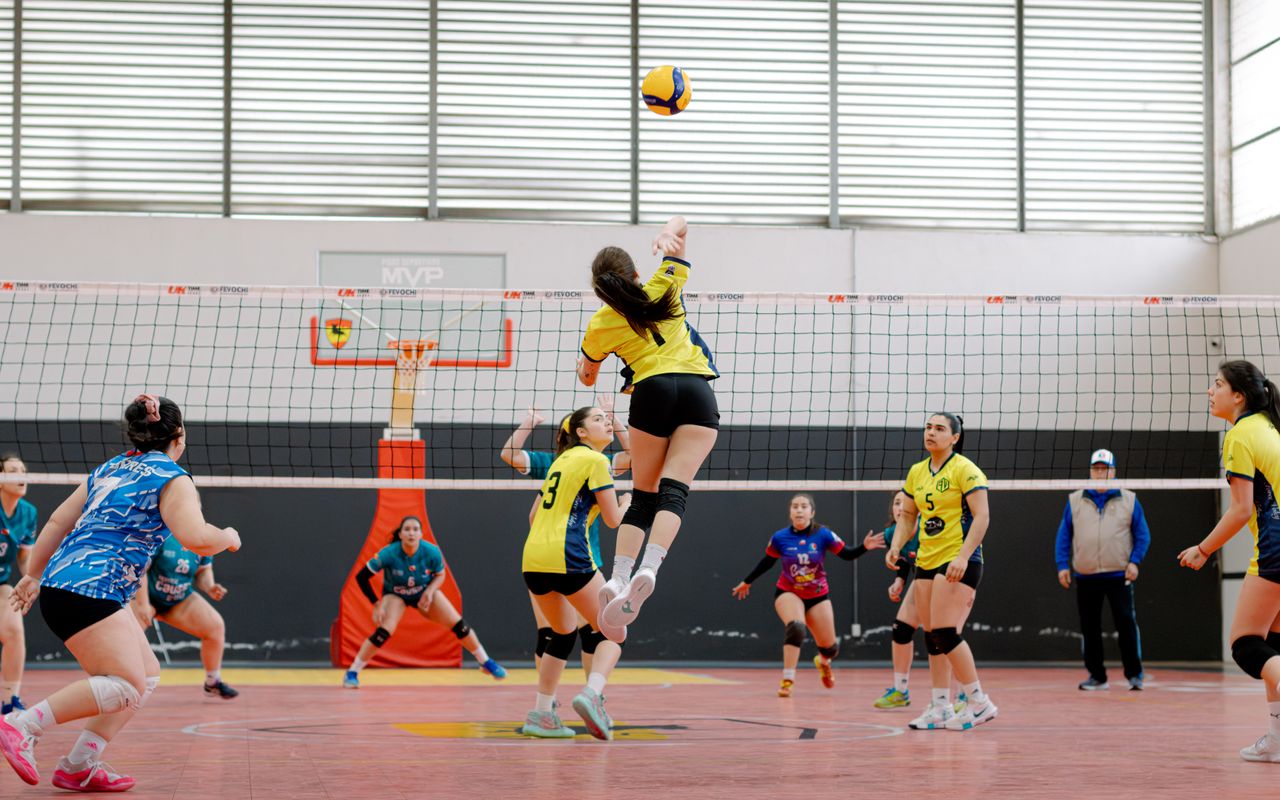
Hong Kong volleyball is shaped by density. In a compact city with limited space, the sport depends heavily on indoor facilities, school gyms, association organization, and structured competitions. That environment favors disciplined indoor volleyball. Teams need efficient training, technical precision, and tactical organization because court time and competitive opportunities are valuable.
The domestic game is anchored by formal league play. The Volleyball Association of Hong Kong’s competition platform lists Hong Kong Volleyball League seasons for men and women, showing a continuing organized league structure. That gives the sport a base beyond national-team appearances: clubs, players, coaches, referees, and administrators have a recurring competitive calendar around which to build.
Women’s Volleyball and a Historic Asian Result
Hong Kong’s women’s national team has given the territory one of its clearest volleyball milestones. In 2022, the Asian Volleyball Confederation reported that Hong Kong, China captured the 3rd AVC Women’s Challenge Cup, calling it the first-ever championship for a Hong Kong, China volleyball team in international competition. That result matters because it gave the women’s program a concrete achievement in Asian volleyball rather than just participation.
Hong Kong, China has also remained visible in the AVC women’s competition structure. Volleyball World’s AVC Women’s Cup 2026 pages included Hong Kong, China among the teams, with schedules, rosters, and results available for the tournament. Reports around the event also noted Hong Kong wins over Lebanon and Uzbekistan during the competition.
Men’s Volleyball and Technical Development
Hong Kong’s men’s program has also benefited from targeted development support. FIVB reported that the men’s team received coaching support connected to the 2021 and 2022 period, with the team showing improved technical level at the 2021 Asian Men’s Volleyball Championship and finishing 14th.
That type of support is important for a program competing in Asia, where the range of volleyball levels is extremely wide. At the top are countries with world-class systems, professional leagues, and deep player pools. For Hong Kong, progress depends on technical efficiency: better reception under pressure, faster setting choices, stronger block-defense coordination, and more reliable side-out volleyball. The men’s program’s challenge is not simply athleticism; it is sustaining high-level structure across full matches.
Beach Volleyball, Light Volleyball, and Participation Culture
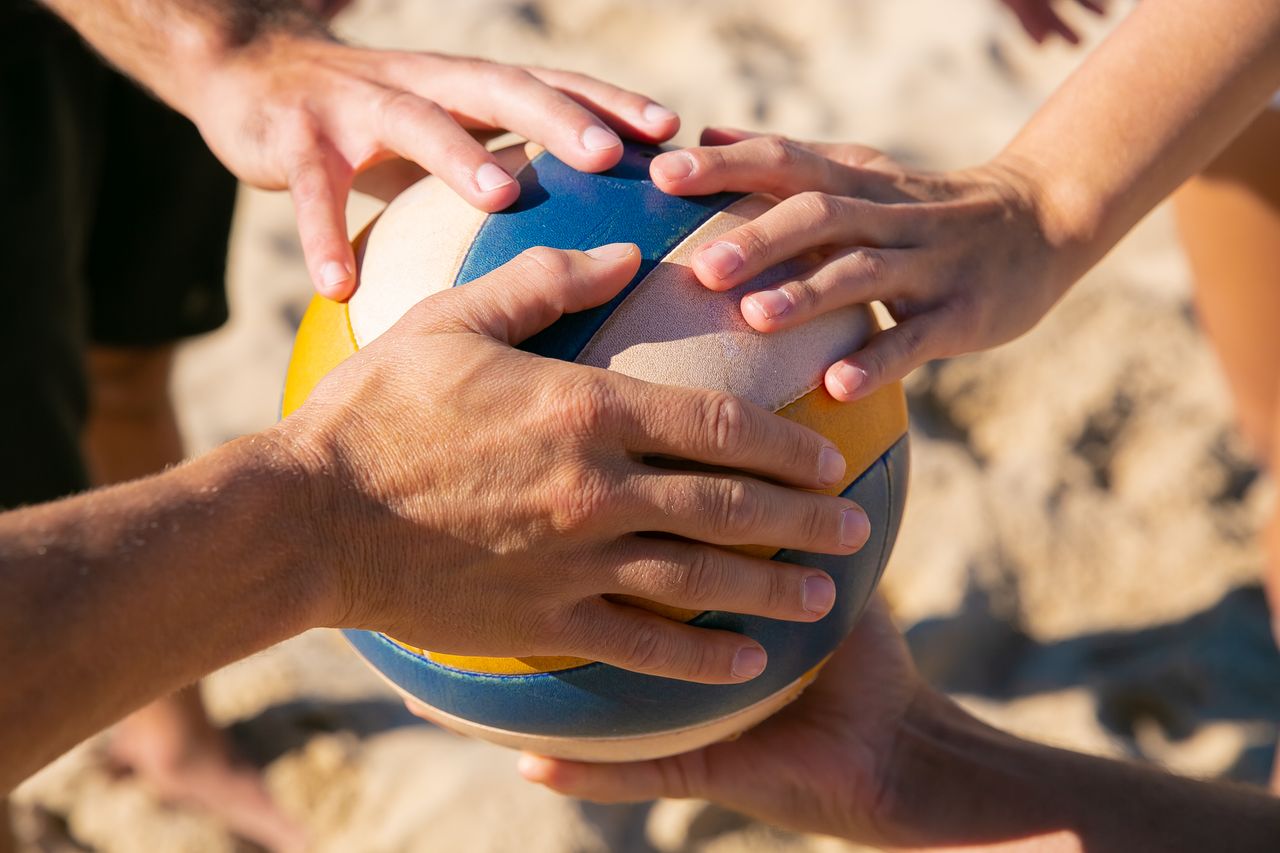
Hong Kong is primarily an indoor volleyball market, but outdoor and modified formats add depth to its volleyball culture. Beach volleyball has a competitive role, especially through major multisport events. Hong Kong was listed as staging men’s and women’s beach volleyball events for the 15th National Games, with 104 athletes from 52 teams from the Mainland, Hong Kong, and Macao participating.
The city also has a broader participation culture through light volleyball, a modified form designed for accessibility. The Hong Kong Light Volleyball Association describes programs tied to community events, teachers’ competitions, senior promotion, and sitting light volleyball. That does not replace elite indoor volleyball, but it expands the sport’s social base and gives volleyball a wider recreational footprint.
Hong Kong Volleyball’s Direction
Hong Kong volleyball’s future is tied to three things: stronger domestic competition, continued Asian exposure, and wider participation. The city has the institutional base to support the sport, but it must keep converting organized activity into higher-level athletes. The women’s program has shown that a Hong Kong team can win in an Asian competition context. The men’s program has received development support aimed at improving technical standards. Beach and light volleyball add additional layers of participation and visibility.
Hong Kong is not trying to become a volleyball superpower overnight. Its more realistic path is to become a consistent, technically sharp Asian competitor with strong domestic organization and enough youth participation to refresh its national teams. In a dense urban sports market, that is a serious volleyball identity: structured, competitive, and still developing.