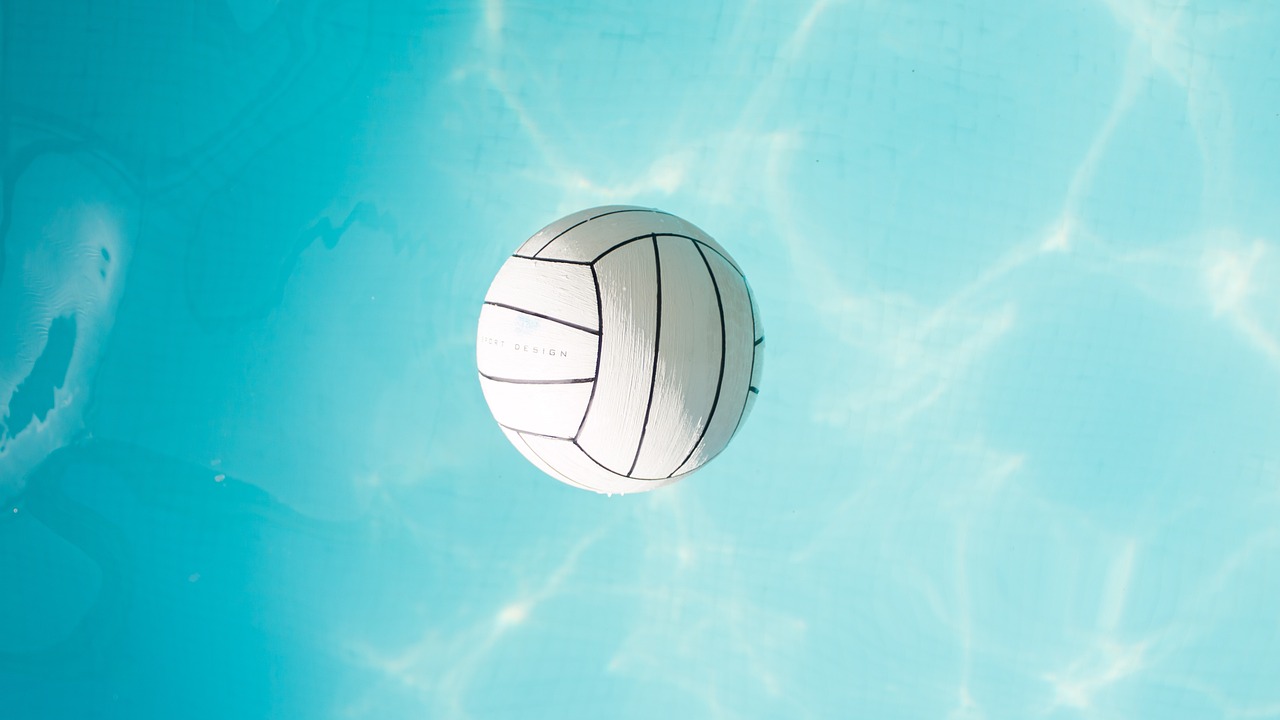
Ivory Coast is an emerging African volleyball country with a federation-centered identity and a strong opportunity to grow through youth development, coaching, and regional competition. The country is better known internationally for football, but volleyball has a meaningful place in its broader sports landscape, particularly through organized federation activity, school and community participation, and the possibilities created by both indoor and beach volleyball. Ivory Coast’s volleyball story is not one of established continental dominance. It is a development story with institutional momentum.
The Fédération Ivoirienne de Volleyball is the central organizing force behind the sport. Leadership, coaching programs, national competitions, and international connections matter deeply in a volleyball environment where the sport must fight for visibility and resources. Recent federation continuity is significant: Pascal Aizan Whadja was re-elected as president of the Ivory Coast Volleyball Federation in January 2025, giving the organization a new four-year cycle to keep building the sport’s structure.
Ivory Coast’s indoor volleyball profile sits within the larger African volleyball system. The country is part of a continental landscape where North African nations, Egypt, Tunisia, Kenya, Cameroon, Morocco, and other programs have often had stronger visibility in major events or club competition. For Ivory Coast, the competitive task is to close gaps in coaching, facilities, player retention, and match exposure. That requires more than assembling senior teams. It requires a pathway that brings young players into the sport, teaches them technical fundamentals, and gives them enough competition to develop match intelligence.
The most important part of that pathway is youth development. Volleyball is a sport where technical habits form early: platform angles in serve receive, footwork into attack, hand position on blocks, setter decision-making, defensive reading, and transition timing. Countries that wait until athletes are older often struggle to catch up technically, even when they have strong physical talent. Ivory Coast’s potential lies in introducing volleyball through schools, community programs, and youth coaching so that athletic players can become complete volleyball players rather than late specialists.
That is why development programs are especially meaningful. The FIVB, IOC, and Olympafrica launched the O!YES Volleyball Manual in Ivory Coast in 2024, with 35 directors trained in volleyball skills and drills. For an emerging volleyball country, that type of grassroots coaching resource can matter because it gives teachers and program leaders a shared entry point for introducing the game. The earlier players learn correct movement, passing, serving, and court spacing, the easier it becomes to build stronger club and national-team systems later.
Beach volleyball also gives Ivory Coast an important opportunity. With its Atlantic coastline, warm climate, and urban centers such as Abidjan, the country has natural conditions that can support outdoor formats. Beach volleyball does not require the same indoor facility footprint, and it can create a visible, accessible version of the sport for young athletes. Côte d’Ivoire has also appeared in regional African beach volleyball activity, including CAVB Zone 03 competition. That gives the country a second lane for growth alongside indoor volleyball.
Still, the long-term ceiling of Ivorian volleyball depends on structure. Talent identification, coach education, domestic competition, women’s participation, youth tournaments, and federation planning must connect. A promising junior player needs somewhere to train. A school player needs a club pathway. A beach athlete needs tournaments. A national-team prospect needs repeated exposure to higher-level opponents. When those pieces are disconnected, progress stalls.
Ivory Coast’s volleyball future should be viewed through development rather than immediate elite expectations. The country has the geographic conditions for beach volleyball, the population base for indoor growth, and a federation that has been active in institutional development. The next step is turning programs into players, and players into competitive teams. If Ivory Coast can strengthen youth coaching and create more regular competition, volleyball can become a more visible part of the country’s sports identity across both indoor courts and sand.