Los Angeles is one of the most complete volleyball cities in the world. Its identity is not limited to one version of the sport. Indoor volleyball, beach volleyball, NCAA volleyball, youth clubs, high school competition, Olympic history, professional beach culture, and recreational play all overlap across the region. In some cities, volleyball has to fight for a foothold. In Los Angeles, volleyball has multiple footholds, and several of them are historically significant.
The city’s volleyball identity begins with the beach but does not end there. Los Angeles sits inside Southern California’s broader volleyball ecosystem, one of the deepest in the United States. The region has produced legendary indoor players, beach icons, college champions, elite junior clubs, and a style of volleyball that values skill, athleticism, creativity, and constant competition. Los Angeles is both a volleyball market and a volleyball mythology.
The Beach Volleyball Capital Argument
Any serious discussion of Los Angeles volleyball has to begin with sand. Southern California helped define beach volleyball as a sport, and the Los Angeles area remains central to its history. The first Manhattan Beach Open was held in 1960, and the tournament became one of beach volleyball’s signature events. The AVP, founded in 1983, has long been associated with the professionalization and national growth of American beach volleyball.
That history gives Los Angeles a volleyball identity few places can match. Beach volleyball is not an imported format or a seasonal novelty in the region. It is part of the local sports language. The beaches around Los Angeles County and nearby coastal communities have shaped how generations of athletes understand the game: two players, no substitutions, wind, sun, deep sand, ball control, court vision, and constant pressure.
The beach game also influences indoor volleyball. Players who grow up around Los Angeles often absorb a broader skill set because the sand rewards complete athletes. A beach player has to pass, set, attack, serve, defend, communicate, and solve problems without hiding inside a specialized rotation. That all-around development has helped make Southern California a consistent source of volleyball talent.
UCLA, USC, and the College Volleyball Standard
Los Angeles is also a college volleyball heavyweight. UCLA and USC give the city two of the most recognizable volleyball brands in the country. Their rivalry matters indoors and on the beach, and it has helped define the competitive standard for NCAA volleyball in Southern California.
UCLA’s volleyball history is enormous, especially because of figures such as Karch Kiraly, one of the sport’s defining athletes, and Sinjin Smith, a major name in beach volleyball history. UCLA’s own alumni coverage has described the school’s beach volleyball success while noting Kiraly and Smith as part of the program’s broader volleyball legacy.
USC has also become a national power in beach volleyball, with NCAA titles and elite-level athletes who continue into international and professional competition. NCAA beach volleyball championship history shows USC and UCLA as central programs in the sport’s modern college era.
The UCLA-USC beach rivalry has become one of the defining rivalries in college beach volleyball. UCLA’s own record page tracks the series against USC dating back to 2013, which reflects how quickly the rivalry became part of the NCAA beach landscape.
This college presence matters for Los Angeles because it keeps elite volleyball visible. Young players in the area do not have to imagine what high-level volleyball looks like. They can see it. They can attend matches, follow athletes, join clubs that feed into college recruiting, and understand the level required to play beyond high school.
Indoor Volleyball Beyond the Beach Image
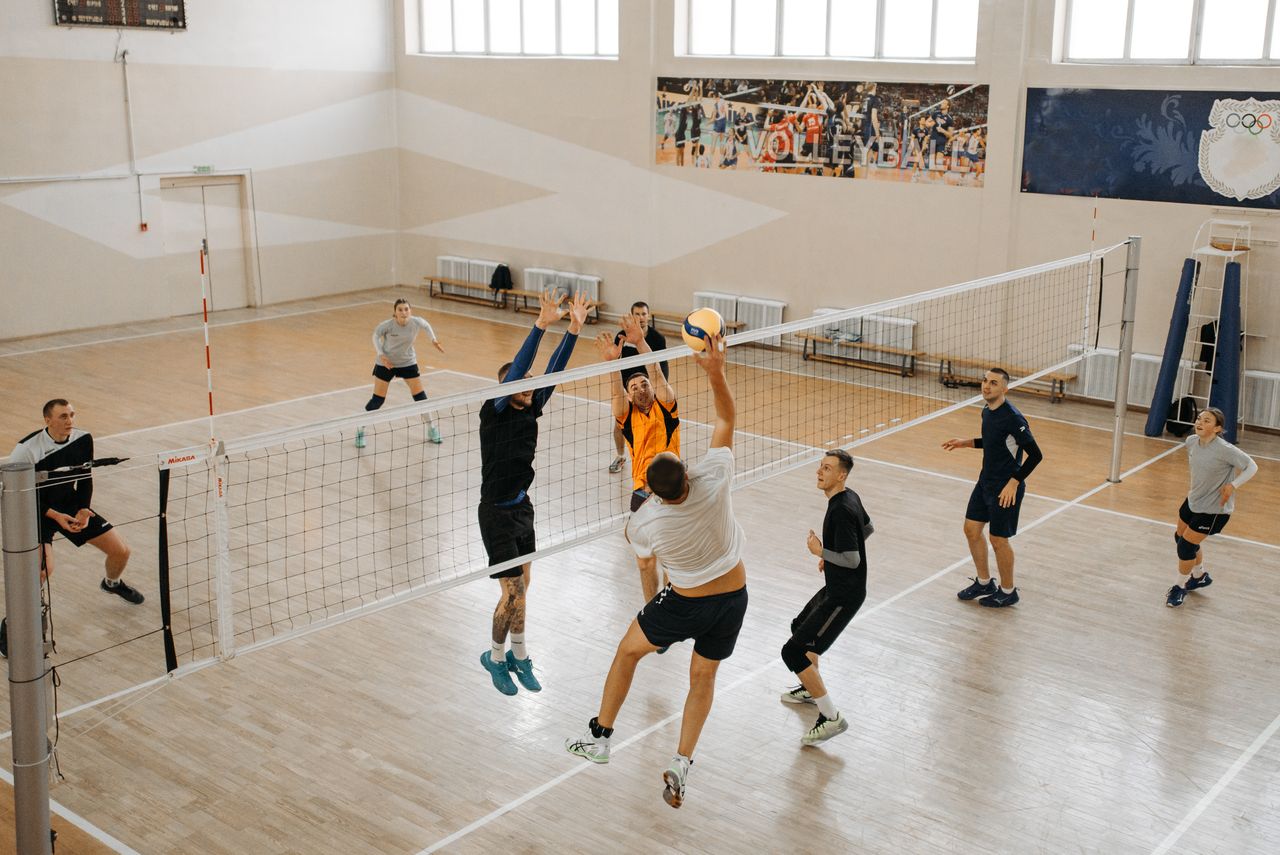
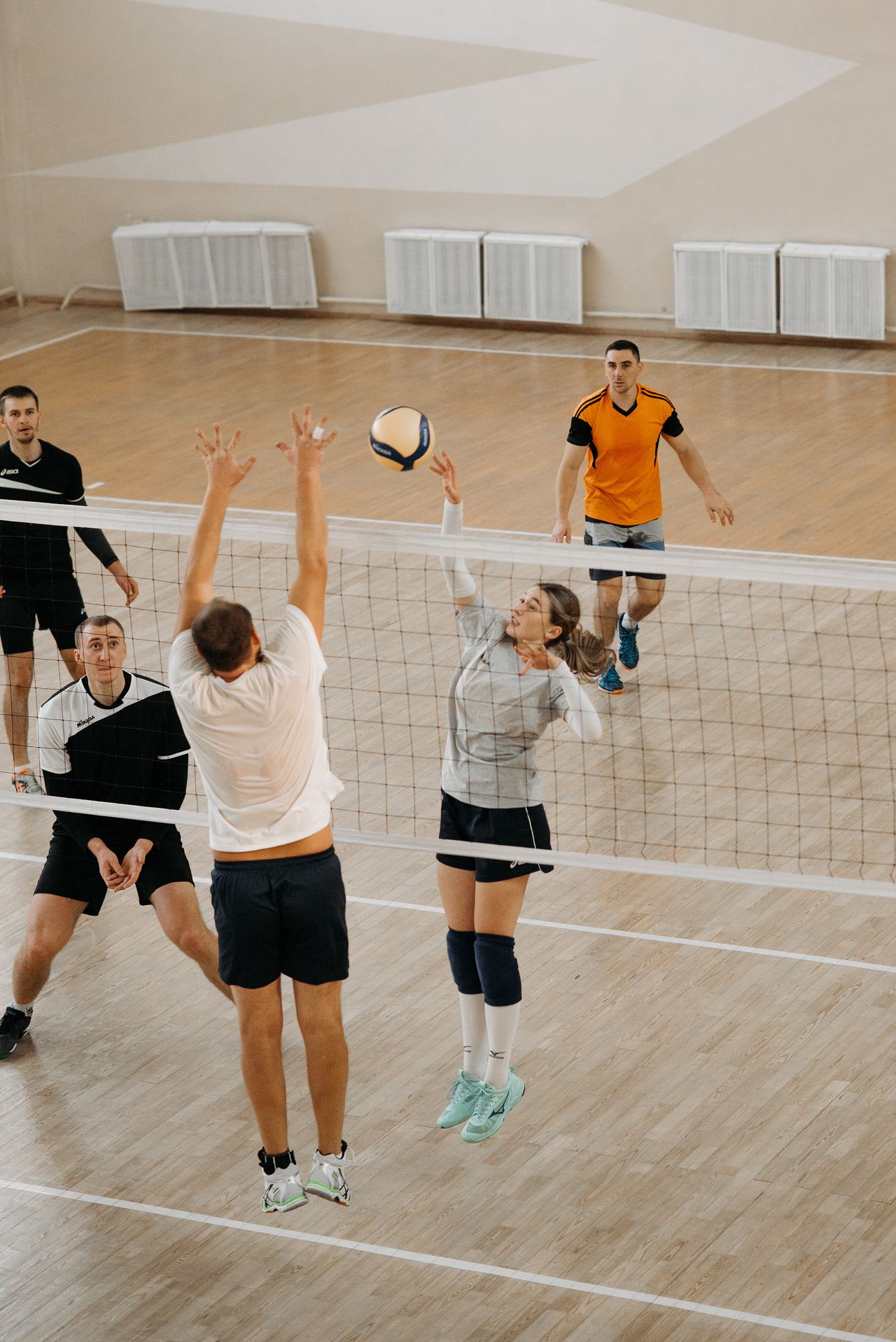
The beach often dominates the Los Angeles volleyball image, but the indoor game is just as important to the region’s identity. Southern California has long been one of the strongest indoor volleyball regions in the United States, especially through boys and girls club volleyball, high school programs, and college pipelines.
Los Angeles indoor volleyball is shaped by density. There are many athletes, many clubs, many gyms, and many competitive levels. That creates pressure. A young outside hitter has to learn to score against strong blocks. A setter has to run tempo against disciplined defenses. Liberos and defensive specialists develop under constant serve pressure. Middles learn to read setters quickly because the speed of play can be unforgiving.
The region’s indoor identity is also linked to volleyball intelligence. Los Angeles players often grow up with access to both indoor and beach environments, which can produce athletes with sharper touch and better court awareness. Not every player moves between both games, but the regional volleyball culture encourages that cross-training mentality.
For boys volleyball, Southern California has historically been one of the sport’s strongest American bases. For girls volleyball, the club and college recruiting ecosystem is deep and competitive. That combination gives Los Angeles a rare dual strength: it is a major city for both men’s and women’s volleyball development.
The Club and Recruiting Machine
Los Angeles volleyball development is powered by clubs. The club system is where many serious athletes receive their most important technical and tactical training. It is where players learn offensive systems, defensive responsibilities, serve strategies, and position-specific habits. It is also where college recruiting becomes real.
The region’s volleyball clubs operate inside one of the most competitive junior volleyball landscapes in the country. Players are not only competing locally. They are competing for visibility against athletes from Orange County, San Diego, the Inland Empire, the Bay Area, Arizona, Nevada, Texas, and beyond. That level of competition raises expectations.
Los Angeles players who reach the college level usually do so after years of structured training, travel events, position work, and high-pressure matches. The pathway can be demanding, but it also creates a serious volleyball culture. Athletes understand that talent alone is not enough. Ball control, coachability, conditioning, decision-making, and competitive consistency matter.
Beach clubs and sand training have added another layer to that pathway. With NCAA beach volleyball now established, Southern California athletes can pursue college opportunities in both indoor and beach formats. That has expanded the meaning of volleyball development in Los Angeles. A player can be recruited as an indoor outside hitter, a libero, a setter, a middle, or as a beach athlete with elite all-around skills.
A Volleyball Culture with Olympic Weight
Los Angeles volleyball carries Olympic weight because the city and region have been tied to the sport’s biggest stages and biggest names. Beach volleyball’s Olympic history, American indoor success, and Southern California’s athlete pipeline all feed into the city’s reputation. The sport feels natural in Los Angeles because it matches the region’s climate, athletic culture, and visual identity.
The coming years will only strengthen that connection as Los Angeles continues to sit at the center of American sports attention. Volleyball in the city has the advantage of tradition and growth at the same time. Beach volleyball remains iconic. NCAA volleyball keeps expanding. Youth clubs continue to produce high-level athletes. Indoor and beach pathways increasingly overlap.
Los Angeles is not simply a good volleyball city. It is one of the places that shaped what modern volleyball looks like in the United States. The sand courts gave the sport an image. The colleges gave it champions. The clubs gave it depth. The players gave it legacy. That combination makes Los Angeles one of volleyball’s defining locations.