New Orleans has a volleyball identity that does not fit neatly into one box. It is not a traditional indoor volleyball powerhouse, and it is not a beach volleyball capital in the same way as Southern California or Florida. Its scene is more hybrid: college-driven, beach-influenced, recreational, school-based, and shaped by the city’s climate, campuses, and community sports culture.
That makes New Orleans a distinctive volleyball city. The sport lives in gyms, on sand courts, through college programs, in high school competition, and across adult recreational leagues. It is not the dominant athletic language of the city, where football, basketball, baseball, and festival culture often draw more attention. But volleyball has a steady presence, and its beach volleyball profile gives the city a stronger national connection than many inland or mid-sized markets.
A Volleyball City With a Beach Edge
The most distinctive part of New Orleans volleyball is the presence of college beach volleyball. Tulane has been one of the important early programs in the NCAA beach volleyball landscape, and that matters for the city’s identity. When beach volleyball became a varsity college sport, only a limited number of schools were positioned to build early credibility. Tulane’s involvement helped place New Orleans on the national beach volleyball map.
That beach connection gives New Orleans something many cities do not have. Indoor volleyball may be the wider participation base, but beach volleyball gives the city a sharper competitive niche. It fits the climate, the outdoor culture, and the Gulf South’s relationship with sand sports, even though New Orleans itself is not a classic beach town. The city’s volleyball personality is therefore less about oceanfront lifestyle and more about a college beach program bringing national structure to a region that already understands outdoor play.
The University of New Orleans has also contributed to the city’s beach volleyball scene, adding another local program and increasing the number of college athletes training and competing in the discipline. Together, these programs give New Orleans a meaningful place in the college beach volleyball ecosystem. For young athletes in Louisiana, that matters. It shows that beach volleyball is not only a West Coast pursuit. It can have a serious home in the Gulf South.
Indoor Volleyball and the College Layer
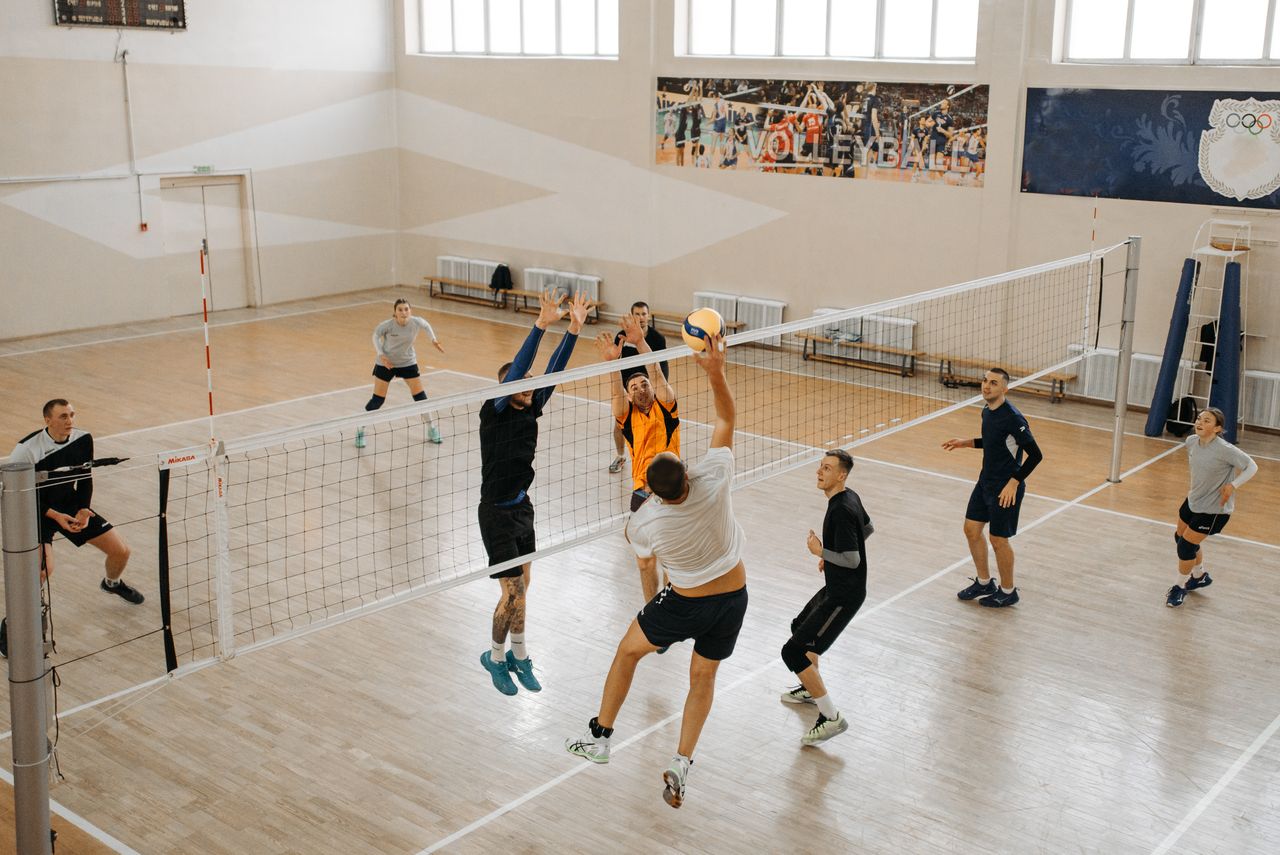
Indoor volleyball in New Orleans is anchored by college programs, school competition, and local club development. Tulane, New Orleans, Loyola New Orleans, and other regional programs help keep the sport visible at the college level. The city does not have the same high-profile indoor volleyball reputation as Big Ten, Big 12, or Pac-12 markets, but it has enough college presence to give athletes a clear reference point.
Tulane’s indoor program gives New Orleans Division I visibility, while UNO adds another local Division I presence. Loyola contributes through the smaller-college landscape, which is important in volleyball because the sport’s ecosystem extends far beyond the most visible conferences. A city with multiple college programs can support more coaches, more training environments, more camps, and more examples of players continuing the sport after high school.
New Orleans indoor volleyball is also part of a broader Louisiana volleyball culture that has grown through high schools, clubs, and regional tournaments. The city’s players often compete in a Gulf South environment where travel, multi-sport athletes, and club exposure all shape development. It is a different volleyball climate than the Midwest or West Coast, but it has its own strengths: athleticism, year-round training potential, and access to both indoor and outdoor formats.
High School and Club Development
The high school and club systems are where New Orleans volleyball builds its depth. The city and surrounding parishes include programs that vary widely by school, resources, coaching continuity, and club access. Some athletes enter volleyball through school competition and later move into club settings for more advanced training. Others begin earlier through youth programs and use high school volleyball as the public-facing part of their development.
Club volleyball is especially important because it exposes players to stronger competition beyond their local school schedules. For positions such as setter, libero, and middle blocker, technical development requires repetition against quality opponents. New Orleans players who want to compete at the college level need not only athletic ability, but also serve-receive control, transition discipline, blocking reads, and the ability to play within structured systems.
The city’s size can be an advantage. New Orleans is large enough to sustain serious volleyball activity but compact enough for the volleyball community to feel connected. Players, coaches, schools, and college programs often operate within overlapping circles. That can create a pathway where younger athletes see older players advance and understand what the next level requires.
Beach Volleyball as a Development Tool
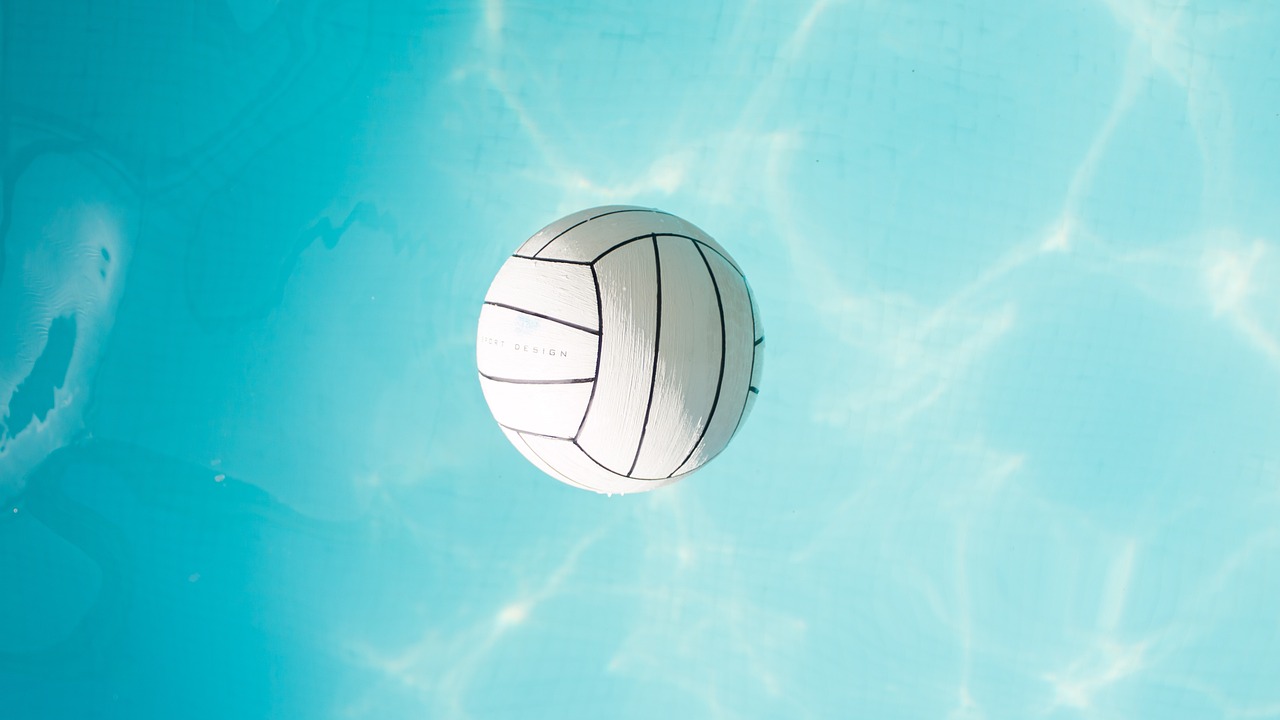
Beach volleyball gives New Orleans players a valuable developmental advantage. Even athletes who focus on indoor volleyball can benefit from sand training. Beach volleyball demands ball control, conditioning, shot selection, communication, and all-around skill. Players cannot hide as easily in specialized roles. They have to pass, set, defend, attack, and read the court.
That makes beach volleyball useful in a city like New Orleans, where the climate allows for extended outdoor training. For indoor players, sand work can improve foot speed, endurance, and court awareness. For beach-focused athletes, college programs provide a more direct competitive target. This dual-pathway environment is one of the best arguments for New Orleans as a serious volleyball market.
The city’s beach identity is not the same as a coastal tourist market lined with permanent volleyball culture. It is more program-driven and climate-enabled. College beach volleyball gives it structure, while adult and youth sand play give it reach.
Volleyball Culture in a City of Competing Sports
New Orleans is a passionate sports city, but volleyball has to find its place among heavy competition. The Saints dominate the professional sports conversation. Basketball has the Pelicans and a deep local following. Baseball, football, track, and school athletics all compete for attention. Volleyball’s growth depends on being both specialized enough for serious players and accessible enough for broader participation.
That balance is one of New Orleans’ strengths. Volleyball can be a school sport, a college sport, a beach sport, and a recreational sport in the same city. It does not need to rely on one format. For some athletes, volleyball is a path toward college competition. For others, it is a social sport played in sand leagues or community settings. For college beach athletes, it is a specialized discipline with national relevance.
This layered identity helps explain why New Orleans volleyball feels different from a pure club hub or a pure beach destination. It has pieces of both, shaped by the city’s climate, campuses, and social energy.
The Future of Volleyball in New Orleans
New Orleans volleyball has room to grow because it already has something distinctive. The city’s college beach presence gives it a national volleyball angle. Its indoor college programs keep the traditional game visible. Its high schools and clubs provide the youth base. Its climate supports outdoor participation.
The next step is connection. If New Orleans can better link youth volleyball, school programs, club development, college indoor volleyball, and beach volleyball, the city can become a stronger Gulf South volleyball market. The ingredients are already there. What separates New Orleans is the way indoor and beach volleyball can reinforce each other.
New Orleans may never be defined by volleyball in the same way it is defined by football culture or music, but it does not need to be. Its volleyball identity is already clear enough: a hybrid city with college beach credibility, indoor development pathways, and a recreational culture that gives the sport multiple ways to grow.