Tampa Bay’s volleyball identity is built around college excellence, year-round training, and the natural fit between Florida’s climate and beach volleyball. It is not a traditional professional volleyball city in the way Seoul or Istanbul might be, and it is not only a recreational beach market. Tampa Bay sits in a different category: a strong American volleyball region where NCAA programs, junior clubs, high school athletes, beach training, and major event hosting all combine to give the sport a serious local profile.
The region’s volleyball story is especially strong because it has both indoor and beach credibility. The University of Tampa has long given the area an elite indoor women’s volleyball identity at the NCAA Division II level, while beach volleyball continues to expand through college programs, private training, and the region’s access to sand, sun, and competitive athletes.
University of Tampa and the Indoor Standard
The University of Tampa is the most important indoor volleyball name in the market. The Spartans have built one of the strongest NCAA Division II women’s volleyball programs in the country, with national championships in 2006, 2014, 2018, and 2021. That kind of sustained success gives Tampa Bay more than a local team. It gives the region a volleyball standard.
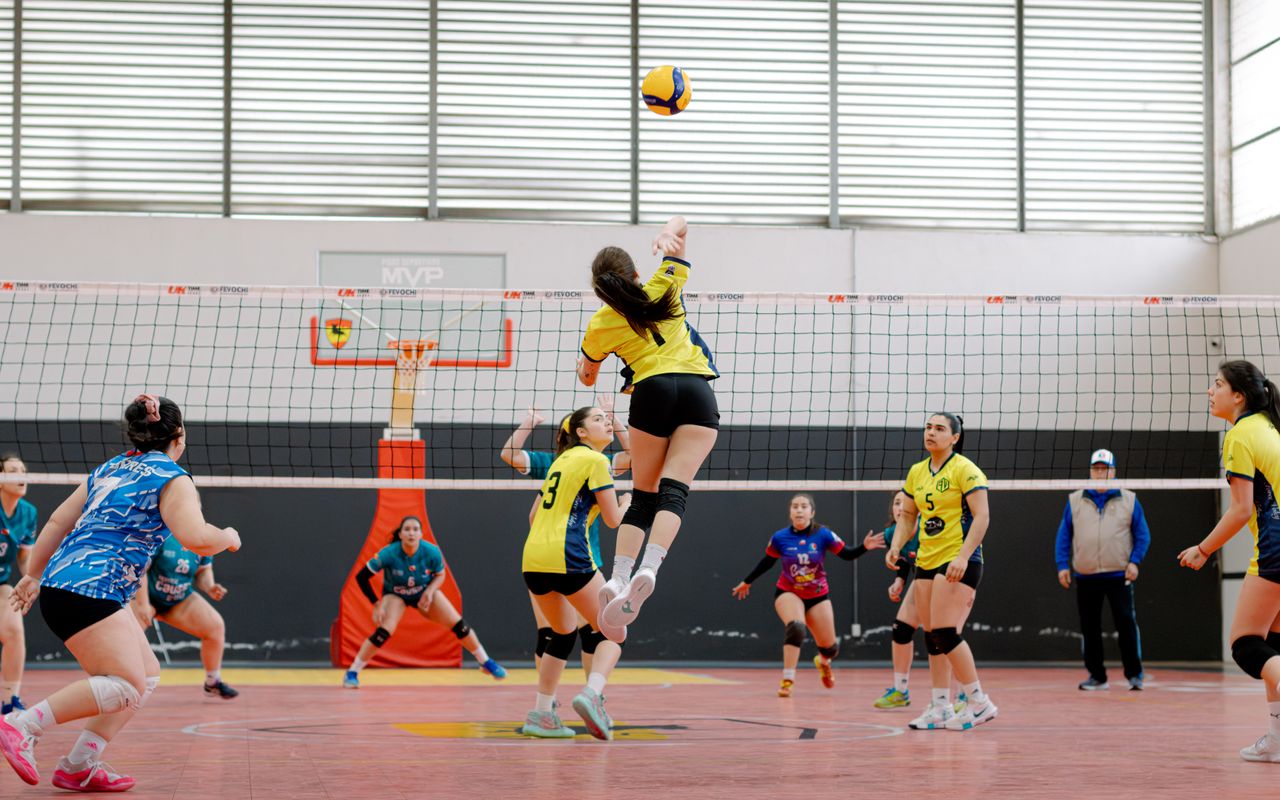
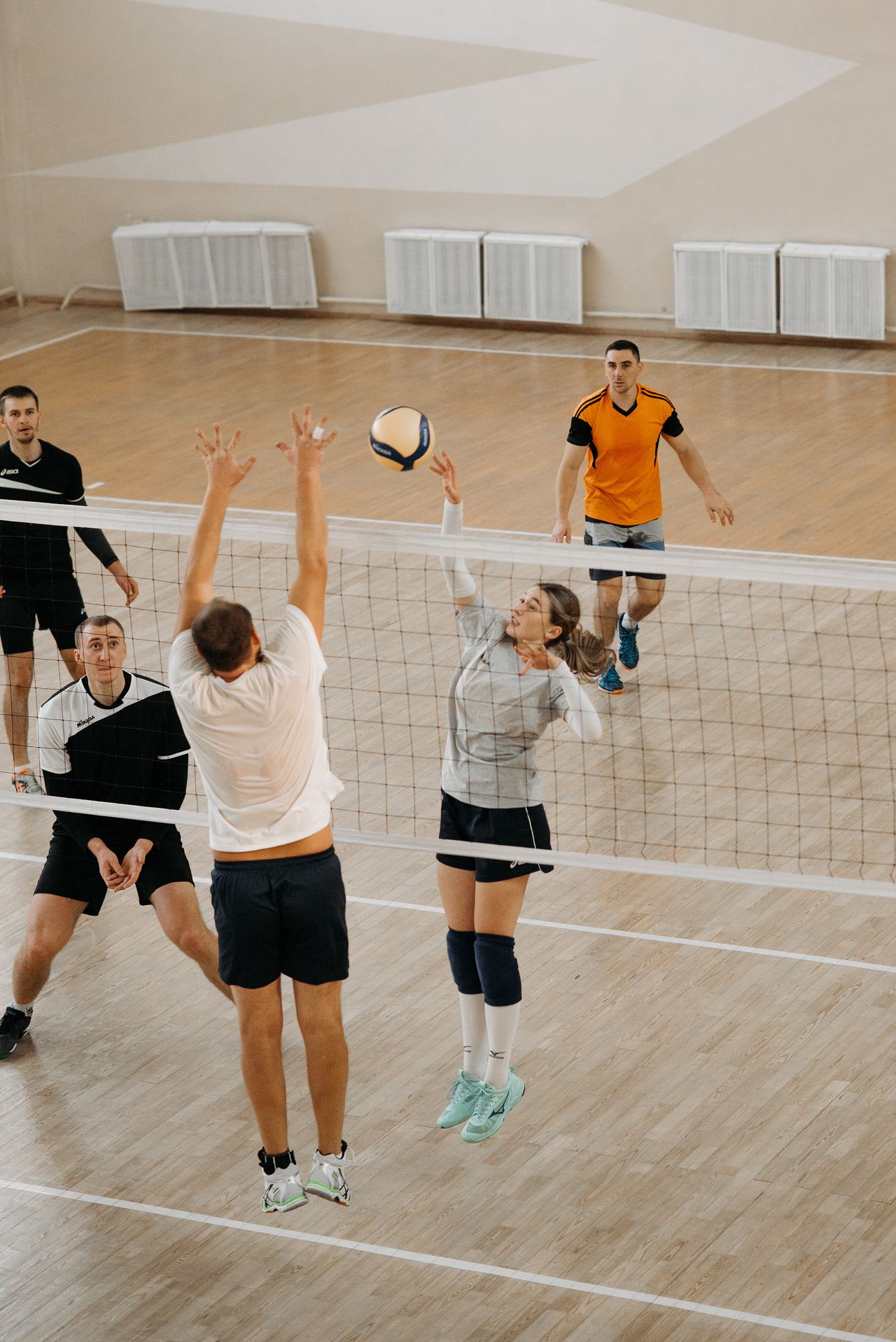
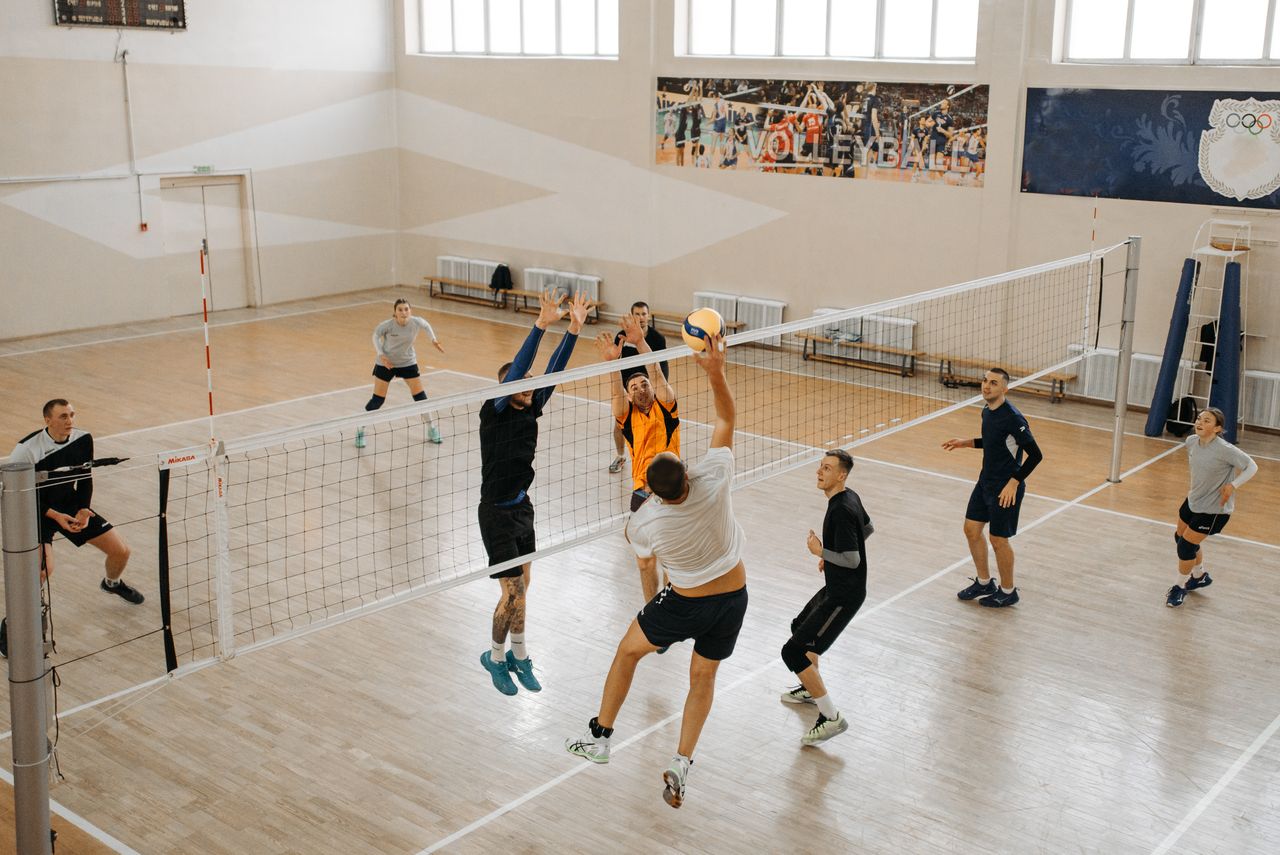
A championship college program changes how a city’s volleyball scene feels. It creates a visible model for serious players. It shows what high-level serve receive looks like, how setters manage an offense, how middles score in tempo, how liberos control rallies, and how disciplined teams handle pressure. The Spartans’ success also gives local junior players a nearby example of what elite college volleyball demands.
Tampa’s indoor identity is therefore not built around casual participation alone. It is connected to winning. When a college program in the area competes for national titles, it raises expectations for training, coaching, and athlete development throughout the region. It also gives volleyball families a reason to see the sport as a serious pathway rather than a secondary school activity.
Beach Volleyball’s Rapid Rise
Tampa Bay’s beach volleyball profile has grown significantly because the region has the geography and climate to support year-round sand training. The University of Tampa has also become a major beach volleyball name at the small-college level. The Spartans’ beach program won the 2023 AVCA Small College national championship and continued to post strong results in later seasons, including another AVCA Small College national championship listed for 2024.
The arrival of USF beach volleyball adds another major layer to the region’s sand identity. The University of South Florida launched its inaugural beach volleyball season in 2026 under head coach Pri Piantadosi-Lima, with training at McDugald Park and an early home match scheduled at Clearwater Beach.
That development matters because it gives Tampa Bay a Division I beach volleyball presence in addition to Tampa’s established beach success. A region with both UT and USF investing in beach volleyball is no longer simply a warm-weather place where people happen to play on sand. It becomes a college beach volleyball market with real infrastructure, coaching attention, and athlete visibility.
Junior Clubs and the Training Culture
Tampa Bay’s volleyball base is reinforced by a strong junior-club ecosystem. Clubs in the region serve athletes across age groups and skill levels, and several organizations emphasize competitive training for boys and girls. Tampa United Volleyball Academy, for example, describes its work around elite club teams, clinics, and training for boys and girls, while other local clubs and academies give the region a broad youth-development base.
This is where Tampa Bay fits into the larger American volleyball system. In the United States, serious volleyball development often runs through junior clubs, travel tournaments, private training, high school competition, and college recruiting. Tampa Bay has the population, weather, and sports culture to support that model. Indoor players can train through club seasons and school seasons, while beach athletes can use sand training to sharpen control, reading, endurance, and all-around skill.
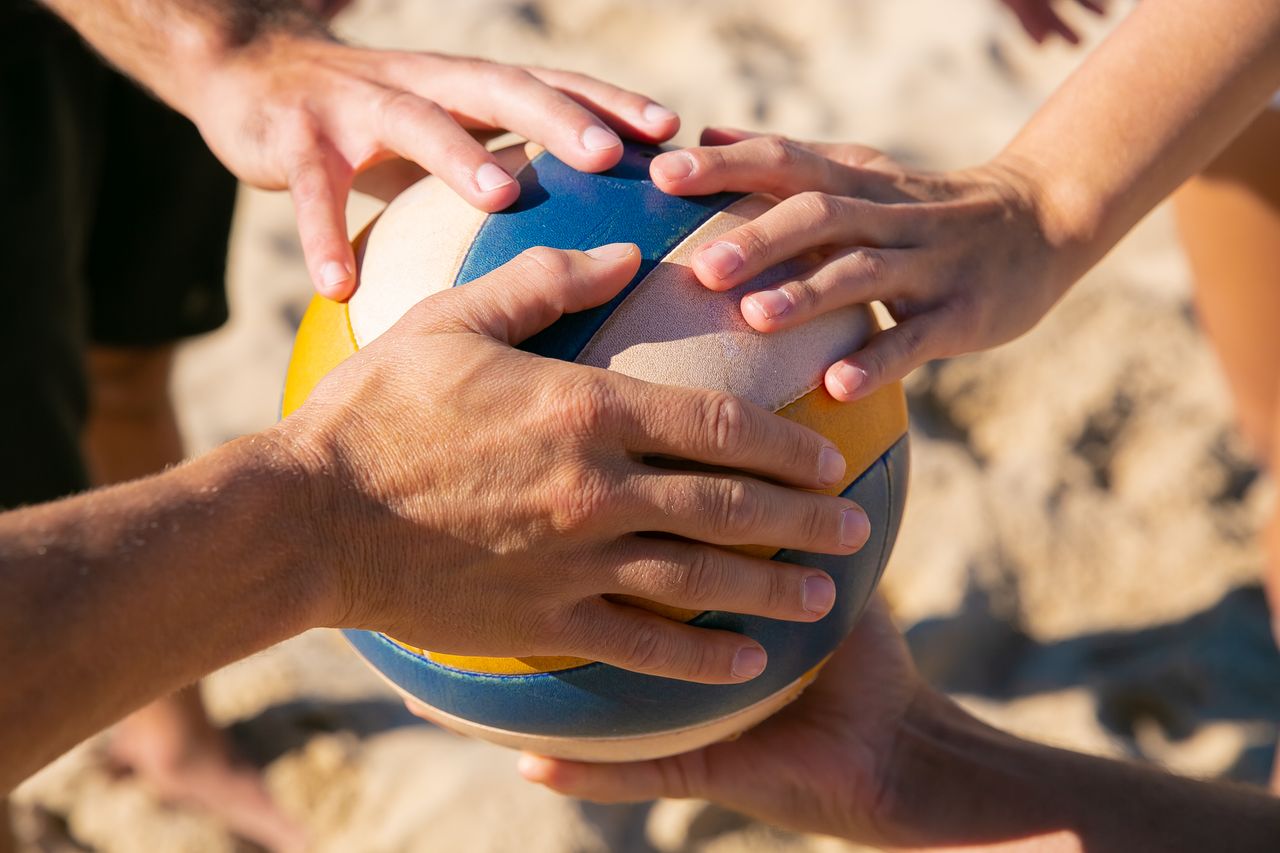
The region’s climate is a major advantage. In colder markets, beach volleyball is often seasonal or facility-dependent. In Tampa Bay, sand training can be part of the year-round rhythm. That helps athletes build touch, footwork, and court vision in ways that complement the indoor game. A six-rotation indoor outside hitter who trains on sand may become more comfortable reading angles, taking imperfect second balls, and managing rallies without constant coaching intervention.
A Volleyball Region with Event Credibility
Tampa Bay has also strengthened its volleyball identity by hosting major events. The region hosted the 2023 NCAA Women’s Volleyball Championship at Amalie Arena, giving Tampa Bay a national spotlight in the Division I women’s game.
Event hosting matters because it changes a market’s relationship with a sport. When a city hosts the final rounds of NCAA women’s volleyball, local players and fans see the highest level of the college game up close. They see the size, speed, serving pressure, blocking systems, and crowd energy that define elite volleyball. For younger athletes, that can be formative. For the region, it reinforces volleyball as a serious part of the sports calendar.
Tampa Bay is also well positioned for future volleyball events because it has arenas, beaches, hotels, airport access, and a sports-tourism infrastructure. Volleyball events fit the region’s broader identity as a destination for championships, showcases, and youth sports travel.
The Indoor-Beach Connection
Tampa Bay’s strongest volleyball identity comes from the relationship between indoor and beach. Many regions are clearly one or the other. Tampa Bay has enough of both to create a more complete volleyball environment. Indoor volleyball gives the area structure through schools, clubs, and college programs. Beach volleyball gives it climate-based advantage, outdoor visibility, and a training style that rewards complete players.
That combination is especially valuable for girls and women’s volleyball. The American women’s volleyball pathway has expanded rapidly across indoor and beach, and Tampa Bay sits in a state where both versions of the sport have room to grow. The University of Tampa’s indoor success, the region’s beach programs, and USF’s move into beach volleyball all point toward a market where young athletes can imagine multiple futures in the sport.
The men’s and boys’ side also has room to develop. Florida’s boys volleyball scene has grown over time, and Tampa Bay’s clubs and facilities can help support that trend. A stronger boys pipeline would give the region a more complete volleyball profile and help balance a market that has historically been most visible through women’s indoor and beach competition.
The Future of Tampa Bay Volleyball
Tampa Bay volleyball is moving toward a more defined identity: college-driven, beach-friendly, and development-focused. The University of Tampa gives the region championship credibility. USF adds Division I beach visibility. Junior clubs provide the training base. Beaches and warm weather give the area a natural sand advantage. Major event hosting gives the sport a national stage.
The next step is integration. Tampa Bay’s volleyball ceiling depends on how well indoor clubs, beach programs, schools, colleges, and event organizers reinforce each other. If the pathways stay connected, the region can become one of the stronger volleyball markets in Florida and a more recognizable name nationally.
At its best, Tampa Bay volleyball is competitive without being narrow. It has indoor tradition, beach growth, junior development, and championship exposure. That combination gives the region a serious volleyball identity and a clear path for continued growth.