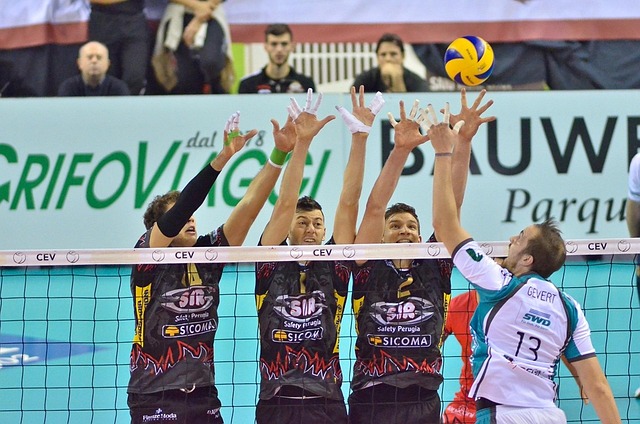
Becoming a professional volleyball player is a structured climb through increasingly competitive environments. Volleyball is played worldwide in indoor, beach, and hybrid formats, and the pathway to the professional level depends heavily on where you develop and which version of the sport you pursue. There is no single draft or centralized entry system. Advancement comes through performance, exposure, and consistent progression through ranked competition.
Most players begin in school programs or local clubs, but the athletes who reach the professional level move quickly into structured club systems, regional competition, and national development pathways. Volleyball rewards height, explosiveness, coordination, and tactical awareness, but those traits alone are not enough. The professional game demands high-level execution in organized systems.
The journey usually follows a clear arc: youth development, competitive club or school play, national-level exposure, collegiate or semi-professional experience, and then entry into professional leagues or international circuits. The structure varies by country, but the pattern is consistent. Each level narrows the field. Each jump raises the standard.
What It Really Means to Be a Professional in Volleyball
A professional volleyball player earns income directly from playing the sport. That income may come from contracts with professional clubs, appearance fees, national team stipends, or sponsorship agreements. In indoor volleyball, most professionals sign contracts with clubs that compete in domestic leagues and international competitions. In beach volleyball, income often comes from prize money and sponsorships tied to tournament performance.
Professional status typically requires signing with a recognized club or competing in sanctioned professional circuits. League contracts provide more predictable income than tournament-only structures, but they are performance-based and often short-term. Ranking systems exist in both indoor and beach volleyball, influencing tournament seeding, national team selection, and sponsorship value.
Unlike some major team sports, volleyball contracts are often international. Many professional players compete abroad, signing with clubs in Europe, Asia, or South America. The sport operates globally. Mobility is common. Stability depends on performance.
The Development Pathway: From Beginner to Elite
Most volleyball players begin in school programs or local recreational leagues before moving into competitive club systems. In many countries, club volleyball is the primary driver of elite development. Players train year-round, compete in regional tournaments, and attend national showcases.
High school volleyball plays a significant role in some countries, but elite prospects often balance school competition with club training. National federations frequently identify top players through youth national teams, development camps, and scouting events. Height and positional specialization become increasingly important as competition intensifies.
Collegiate volleyball is a major pathway in certain regions, particularly in the United States. Strong college performance can lead directly to professional contracts overseas or invitations to national team programs. In Europe and parts of Asia, players may transition directly from youth academies into professional club systems without a college phase.
Specialization typically happens during adolescence. Players commit to specific positions—setter, outside hitter, middle blocker, opposite, libero—and refine role-specific skills. At the elite level, positional mastery is non-negotiable.
Building Elite-Level Skill and Physical Preparation
Technical precision is central to professional volleyball. For hitters, this means consistent approach timing, arm swing mechanics, and shot selection. For setters, it requires accurate ball placement under pressure and tactical orchestration of the offense. Defensive players must master positioning, reading attacks, and controlled first contact.
Tactical intelligence separates good players from professionals. Volleyball is system-based. Players must understand rotational structures, defensive schemes, transition timing, and opponent tendencies. Communication and decision-making happen at speed. Mental processing is constant.
Physical preparation emphasizes explosive power, vertical jump development, lateral movement, and core stability. Strength training focuses on lower-body power and shoulder durability. Injury prevention is critical, particularly for knees, ankles, and shoulders. Recovery protocols, load management, and mobility work are part of long-term sustainability.
Video analysis is standard at higher levels. Reviewing match footage improves blocking timing, serving strategy, and defensive positioning. Data tracking—serve efficiency, attack percentage, reception accuracy—provides measurable performance benchmarks.
Competing, Ranking, and Getting Noticed
Competitive progression begins with local tournaments and club leagues. Strong performance at regional events leads to qualification for national championships or elite showcases. These events attract scouts, national team coaches, and professional club representatives.
For indoor players, the next level often includes collegiate competition or direct placement in semi-professional leagues. Professional clubs evaluate players based on position, physical attributes, statistical output, and adaptability to team systems. National team selection can accelerate visibility, particularly for players seeking contracts abroad.
Beach volleyball follows a different structure. Players accumulate ranking points through sanctioned tournaments. Partnerships matter. Performance consistency across events determines entry into higher-level competitions. International circuits serve as stepping stones to elite global tournaments.
Exposure increasingly includes digital visibility. Highlight reels, verified statistics, and performance footage help players attract interest. However, consistent competitive results remain the primary driver of opportunity.
The Financial Reality of Turning Professional
Professional volleyball income varies widely. Top-tier players in major international leagues earn substantial salaries. Many others earn modest contracts supplemented by housing, bonuses, or seasonal incentives. Beach volleyball players often rely on sponsorships and prize money, which fluctuate based on tournament performance.
Travel is a constant expense, particularly for beach players and those competing internationally. Equipment costs include specialized footwear, training gear, and recovery services. Coaching, strength training, and medical support add additional financial demands during the development phase.
Federation funding and scholarships may support elite prospects during youth and collegiate years. However, long-term financial stability depends on contract negotiations and sustained performance. Understanding contract terms, including duration, injury clauses, and performance bonuses, is essential.
When to Turn Professional and What Comes Next
Turning professional in volleyball usually involves signing a club contract or committing full-time to professional tournament circuits. For college athletes, this may mean exhausting eligibility before entering the professional market. In other regions, players transition directly from youth development programs.
Timing matters. Entering the professional ranks before physical and tactical readiness can limit long-term growth. Conversely, delaying transition may reduce peak earning windows. Strategic planning with coaches, mentors, and agents can clarify optimal timing.
Agents often assist with overseas placements, contract negotiations, and sponsorship deals. Legal review of contracts protects against unfavorable terms. Professional careers may involve frequent relocation, cultural adaptation, and short contract cycles.
Longevity requires injury management, skill adaptation, and financial planning. Volleyball careers can span many years, but physical demands are significant. Preparing for life after competition—through education, coaching pathways, or business planning—provides long-term stability.
Becoming a professional volleyball player demands sustained performance within structured systems. Development is intentional. Advancement is competitive. Contracts are earned, not granted. Consistency at each stage determines whether the opportunity to play professionally becomes a career or remains an ambition.