Ecuador has one of the more distinctive volleyball identities in South America because its story is split between international volleyball and a deeply rooted national variation: ecuavóley. Traditional indoor volleyball exists through federation structures, schools, clubs, and continental competition, but ecuavóley gives the country a broader cultural relationship with net sports than its international results alone would suggest. That makes Ecuador a hybrid volleyball country: not one of South America’s indoor powers, but a place where volleyball-style play has genuine social presence.
The country’s standard volleyball program operates under the Ecuador Volleyball Federation, and its most visible recent international movement has come through beach volleyball. The FIVB highlighted Ecuador’s women’s beach volleyball development in 2023, noting that the federation’s women’s beach team made history through support from the Volleyball Empowerment program. That is significant because beach volleyball has become Ecuador’s clearest route to international attention in the sport.
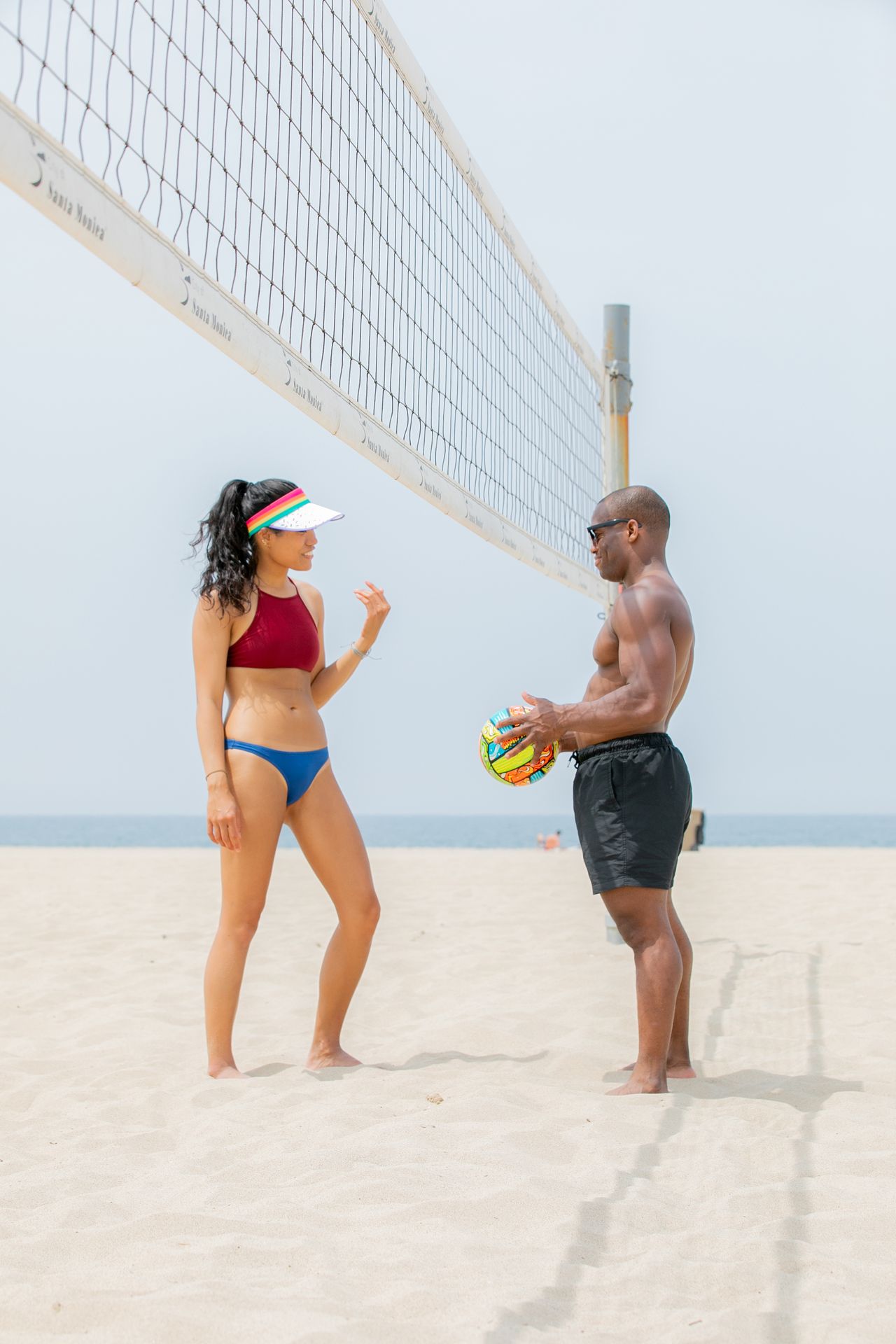
Beach volleyball fits Ecuador in a way that indoor volleyball has not always been able to. The country has Pacific coastline, warm-weather regions, and an athletic culture that can support outdoor competition. In beach volleyball, a smaller talent pool can still produce international-level pairs if the athletes receive enough coaching, travel opportunities, and high-quality match repetitions. Ecuador’s women’s beach pair Ariana Vilela and Karelys Simisterra have been part of that rise, with Ecuadorian women appearing in major beach volleyball competition contexts and gaining stronger continental recognition.
Indoor volleyball in Ecuador is more modest. The country sits in a South American region where Brazil and Argentina set a high standard, while Peru, Colombia, Chile, and Venezuela have their own stronger or more established volleyball traditions in different periods. That makes Ecuador’s competitive challenge steep. To become more relevant indoors, the country needs depth: setters who can run tempo, liberos who can stabilize serve receive, middles who can score in transition, and enough club competition to make national-team selection genuinely competitive.
Ecuavóley complicates and enriches the picture. It is not the same as Olympic indoor volleyball, but it is central to Ecuador’s net-game culture. Played with three players per side, a higher net, and different rhythms, ecuavóley has long been a social and competitive sport in Ecuadorian communities, including migrant communities abroad. Its popularity shows that Ecuador already has a strong instinct for net play, timing, attacking touch, and crowd-centered competition. The challenge is that ecuavóley and international volleyball do not automatically feed each other. The techniques, spacing, and tactical requirements differ. Still, the cultural base matters because it gives Ecuador a broader volleyball-adjacent identity than many countries with similar international rankings.
The player-development question in Ecuador is whether the federation and clubs can connect participation, school sport, beach volleyball, and elite pathways more consistently. Beach volleyball may remain the most efficient international route, especially for women’s pairs, while indoor volleyball can grow through better club structures and youth coaching. Ecuador does not need to copy Brazil’s massive volleyball ecosystem to improve. It needs sharper pathways, more match volume, and targeted investment in the athletes most likely to compete regionally.
Ecuador’s future in volleyball is likely to remain hybrid. Beach volleyball offers the best chance for international breakthroughs. Indoor volleyball provides the traditional team-sport structure. Ecuavóley gives the country a unique cultural foundation that keeps net play visible in everyday life. If Ecuador can connect those worlds more effectively, it can become a more interesting and competitive volleyball nation than its historical indoor record alone suggests.