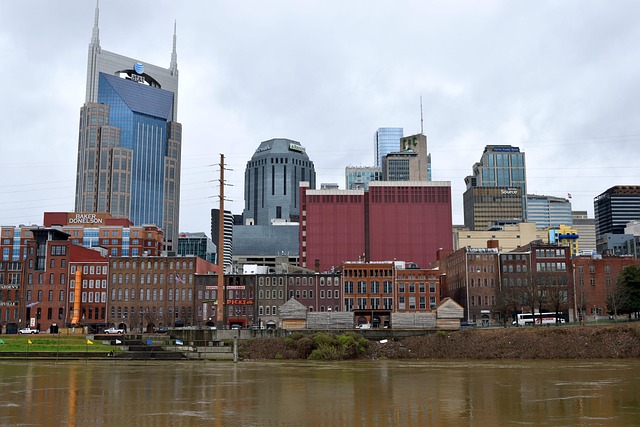
Nashville’s volleyball identity is changing. For years, the city was a solid volleyball market without being nationally defined by the sport. It had strong school programs, competitive clubs, nearby college volleyball, and a growing adult scene, but it was better known nationally for football, hockey, country music, and rapid urban growth. That picture is shifting as volleyball gains more space in the city’s college sports landscape and youth development culture.
Nashville is best understood as a school, college, and club volleyball market with momentum. It is not a beach volleyball capital, and it is not yet a national volleyball powerhouse. Its identity is built around indoor volleyball, private and public school competition, junior clubs, regional recruiting, and a college scene that has become more visible with Vanderbilt’s return to varsity volleyball. In a city that has been expanding quickly, volleyball now has more room to grow.
A City Where Volleyball Is Becoming More Visible
Nashville has always had the ingredients for a strong volleyball market. The city has a large school-age population, strong suburban athletic communities, private schools with serious sports programs, universities within the urban core, and a regional location that connects Tennessee to the broader Southeast and Midwest volleyball circuits. For junior athletes, that means Nashville can function as both a local training city and a recruiting crossroads.
The sport’s visibility, however, has not always matched those ingredients. In many parts of the South, volleyball historically sat behind football, basketball, baseball, softball, and soccer in the public imagination. That did not mean volleyball was weak. It meant the sport often grew through school gyms, club tournaments, family networks, and recruiting ambition rather than through major professional attention.
Nashville fits that pattern. Its volleyball culture has been built one roster, one club season, and one school program at a time. The city’s players often develop in competitive but relatively quiet settings: weekday practices, weekend tournaments, summer camps, and high school matches where the atmosphere depends on the school and rivalry. That ground-level structure is exactly what makes the city’s recent volleyball growth important. Nashville is not trying to create a volleyball scene from nothing. It is giving more visibility to a scene that already existed.
Vanderbilt’s Return and the College Volleyball Moment
The biggest recent development in Nashville volleyball is Vanderbilt’s return to women’s volleyball after a long absence. For a city with an SEC university at its center, that matters. College volleyball carries a different kind of weight when an SEC program is involved, especially in a region where conference affiliation shapes recruiting, media attention, and the level of competition fans expect.
Vanderbilt’s return gives Nashville a new anchor at the top of the local volleyball pyramid. It creates a visible destination for young players, a higher-profile match environment, and a stronger connection between the city’s junior volleyball scene and the national college game. Even if Vanderbilt needs time to build into SEC competition, the program’s presence changes the city’s volleyball conversation.
Nashville already had college volleyball through programs such as Lipscomb, Belmont, Trevecca Nazarene, and nearby regional schools. Lipscomb and Belmont, in particular, give the city meaningful Division I volleyball texture. The addition of Vanderbilt strengthens the city’s college identity rather than replacing what was already there. It creates a layered market: SEC volleyball, mid-major Division I programs, smaller college competition, and club development all operating within the same metro area.
That mix is valuable. A city with multiple college programs gives younger players more examples of what college volleyball can look like. Not every player is a future Power Four recruit. Some fit better at mid-major, Division II, NAIA, or junior college levels. Nashville’s college ecosystem gives the sport a broader developmental conversation.
Club Volleyball and the Recruiting Pipeline
Nashville’s strongest volleyball identity may still be found in the junior club world. Club volleyball is where many serious players get the extra touches, advanced coaching, tournament exposure, and recruiting support that high school seasons alone cannot provide. In a growing metro area, club volleyball often becomes the engine of the sport.
The Nashville region benefits from suburban growth, family investment in youth sports, and access to regional travel tournaments. Players who want to compete beyond local school schedules can find stronger training environments and higher-level match play. That is especially important for positions that require time and repetition to master. Setters need thousands of decision-making reps. Liberos need serve-receive pressure and defensive reads. Middles need timing with setters and footwork discipline. Outside hitters need to learn how to score against organized blocks, not just overpower weaker school competition.
The club system also shapes how Nashville players are seen by college coaches. Recruiting in volleyball depends heavily on tournament exposure, video, measurable skill, and projectable position value. A strong club environment can help a player move from local standout to regional recruit. That pathway is one of the major reasons Nashville volleyball has room to keep rising.
High School Volleyball and Local Rivalries
High school volleyball gives Nashville its local emotional base. The city and surrounding counties have a mix of public schools, private schools, and suburban programs that create varied competition. Some programs are built on long-term coaching stability. Others rise when a strong club-trained class comes through. The result is a high school landscape where school pride, player development, and recruiting goals overlap.
In Nashville, as in many volleyball markets, high school and club volleyball are connected but different. High school volleyball carries community identity. Club volleyball carries specialization and exposure. A player may represent her school in front of classmates and then spend the club season chasing a higher competitive ceiling. The best volleyball cities learn how to support both.
Nashville is moving in that direction. The more the city’s college programs gain visibility, the more high school players can see volleyball as a serious athletic pathway. That visibility helps younger athletes imagine themselves as part of the sport beyond one fall season.
Outdoor Volleyball and the City’s Recreational Layer
Nashville is not a beach volleyball city in the traditional sense. It does not have a coastline or a sand-first sports identity. Still, outdoor and recreational volleyball have a role in the city’s broader participation culture. Sand courts, grass tournaments, parks, social leagues, and adult recreational play give volleyball a more casual layer outside the school and club systems.
This matters because volleyball grows best when it has multiple entry points. Some players chase college recruiting. Some play through church groups, rec leagues, company teams, or neighborhood leagues. Some former high school or college athletes stay connected through adult competition. Outdoor volleyball helps keep the sport visible even for people who are not part of the junior club circuit.
In Nashville, that recreational layer fits the city’s social personality. Volleyball can be competitive, but it can also be part of the city’s broader young-adult, neighborhood, and community sports culture. That gives the sport more staying power.
The Future of Volleyball in Nashville
Nashville’s volleyball future looks stronger than its past. The city now has a more visible college anchor, a serious junior development base, growing suburban participation, and enough local programs to make volleyball feel like part of the city’s sports structure rather than a side activity.
The next stage will depend on depth. Vanderbilt’s return helps at the top, but the city’s long-term volleyball reputation will be built through clubs, coaches, high school programs, and athletes who reach college rosters across the country. If Nashville can keep improving technical development while giving the sport more public visibility, it can become one of the Southeast’s more important indoor volleyball markets.
Nashville is not trying to become Southern California, Nebraska, or Texas. Its volleyball identity is different. It is a growing indoor market, a college city rediscovering the sport at a higher level, and a club-development hub with enough momentum to matter beyond Tennessee.