Oakland’s volleyball identity is best understood as part of the East Bay: urban, diverse, school-driven, club-connected, and tied into one of the strongest volleyball regions in the United States. Oakland is not usually discussed as a standalone volleyball capital in the way Southern California beach cities, Nebraska college towns, or major NCAA volleyball markets are. Its strength is different. Oakland sits inside a dense Northern California volleyball ecosystem where high school programs, junior clubs, adult leagues, college influence, and outdoor play all overlap.
The city’s volleyball culture reflects the character of the broader Bay Area. It is competitive without being narrow. It draws from public schools, private schools, community gyms, club programs, nearby colleges, and recreational players who use volleyball as both sport and social outlet. Oakland is a basketball and baseball city in many people’s memories, with deep ties to football and community athletics, but volleyball has found room through school programs and the regional club scene. The result is a volleyball market that is less about one dominant institution and more about access to a larger network.
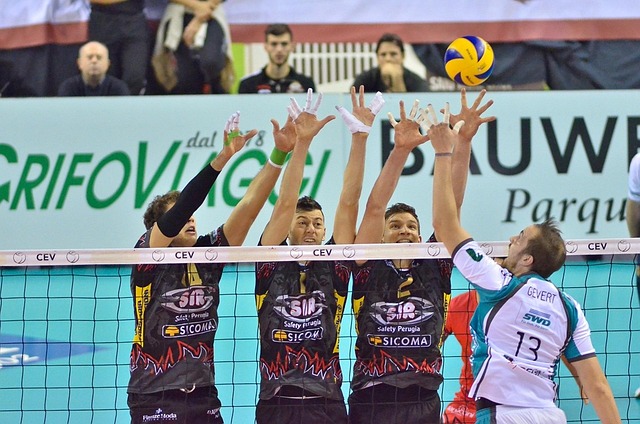
Indoor volleyball is the core of Oakland’s competitive pathway. For young players, the game usually begins through school teams, local gyms, or nearby club programs. The East Bay gives athletes access to competitive volleyball without requiring them to live in the traditional volleyball hotbeds of Orange County, San Diego, or the Midwest. That matters because Northern California has its own volleyball identity: technically skilled, academically connected, club-oriented, and influenced by strong college programs throughout the region.
Oakland players are shaped by geography as much as by city limits. Berkeley, Alameda, Emeryville, San Leandro, Walnut Creek, Concord, and the wider East Bay all feed into the same volleyball conversation. A player from Oakland may train outside the city, compete against suburban high school programs, attend camps across the Bay Area, and measure themselves against clubs from Sacramento, San Jose, or the Peninsula. Oakland’s volleyball identity is therefore regional. It belongs to a competitive web rather than a single isolated market.
That regional structure can be a strength. Volleyball rewards repetition, coaching, and competitive match experience. In a place like Oakland, athletes who find the right training environment can develop against a wide variety of opponents. The Bay Area produces players who are often comfortable with pace, defensive reading, and tactical adjustment because the competitive field is varied. Strong teams tend to value ball control, serve receive, smart setter decision-making, and versatile attackers rather than relying only on size.
Outdoor volleyball gives Oakland another layer. The city is not a beach volleyball destination in the classic coastal sense, but it has a natural outdoor sports culture through parks, waterfront spaces, and the broader Bay Area lifestyle. Grass volleyball, casual outdoor games, and adult recreational play help keep the sport visible. Nearby beaches and sand courts across the Bay Area give more serious beach players additional options, but Oakland itself is more accurately described as an urban indoor and club-connected market than a sand-first volleyball city.
The fan culture around volleyball in Oakland is quieter than in major college volleyball towns, but that does not mean the sport lacks meaning. In many urban markets, volleyball grows through participation before spectatorship. Parents follow school teams. Players stay connected through adult leagues. Former athletes return as coaches. Clubs become community anchors. The sport lives through gym time, weekend tournaments, carpools, school rivalries, and the steady work of coaches who introduce athletes to a game that may not have been the first sport they tried.
Oakland also benefits from the Bay Area’s wider college volleyball presence. Even when major college programs are not inside Oakland proper, their influence is close enough to matter. Young players can see what higher-level volleyball looks like. They can attend matches, clinics, and camps. They can understand recruiting as a real possibility, especially in a region where academics and athletics often intersect. For girls’ volleyball in particular, that combination of school competition, club exposure, and college aspiration gives the sport a durable structure.
The challenge for Oakland is the same challenge faced by many urban volleyball markets: facilities, cost, and consistent access. Volleyball can be expensive once club fees, travel, private training, and tournament schedules enter the picture. Gym space is also a constant issue in dense cities where basketball, futsal, school sports, and community programs compete for the same courts. Oakland’s long-term volleyball growth depends on whether the sport remains accessible to athletes across different neighborhoods and income levels.
Oakland’s future in volleyball is likely to remain tied to the East Bay’s broader development system. The city may not become a national volleyball brand by itself, but it does not need to. Its value is in producing athletes, sustaining school programs, supporting community play, and giving players a bridge into the regional club and college volleyball world. In that sense, Oakland is a real volleyball city because it reflects how the sport actually grows in many American metros: not through one famous arena or one headline team, but through schools, clubs, coaches, families, and players who keep coming back to the gym.