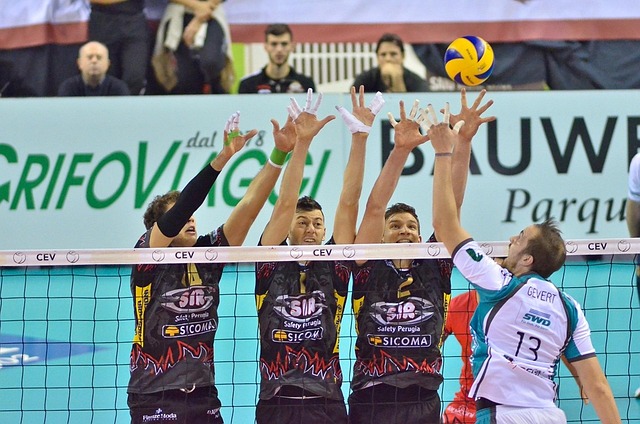
Volleyball in Newfoundland and Labrador has a distinct Atlantic Canadian identity. It is not built around massive professional clubs or year-round beach volleyball visibility. It is shaped instead by school gyms, regional tournaments, community sport, university competition, and the logistics of developing athletes across a province with long travel distances and widely separated population centers. That gives volleyball here a different texture than in larger Canadian provinces. The sport relies heavily on committed coaches, multi-sport athletes, school programs, and club systems that help young players find competitive opportunities beyond their local gym.
The province’s volleyball culture is strongest where schools, clubs, and community facilities can create consistent training environments. In St. John’s and the surrounding Avalon region, the player base is larger and competition is easier to organize. Outside the capital area, volleyball often depends on regional commitment: coaches who keep programs alive, schools that prioritize team sports, and athletes willing to travel for stronger tournaments. In Labrador and more remote communities, volleyball can carry added value because indoor team sports are practical, accessible, and suited to long winter seasons.
Indoor volleyball is the center of the province’s identity. The game is built around school competition, club development, and provincial pathways rather than spectator-driven professional volleyball. Athletes who develop in Newfoundland and Labrador usually learn the sport through school teams first, then move into club volleyball if they want stronger competition and more structured training. That pathway matters because volleyball is a technical sport. Serve receive, setting tempo, defensive systems, blocking footwork, and transition offense require repetition, and smaller player pools can make consistent high-level reps harder to find.
Memorial University gives the province an important higher-level volleyball presence. University volleyball provides a visible competitive target for young players, even if many athletes also look outside the province for expanded opportunities. The existence of university-level competition helps anchor the sport. It gives the local volleyball scene a connection to Atlantic Canadian athletics and shows younger players that the game can continue beyond high school and club seasons.
Beach volleyball exists in Newfoundland and Labrador, but it is not the province’s defining volleyball identity. The climate, season length, and facility realities make indoor volleyball the more reliable backbone. Still, outdoor volleyball has a place during warmer months, especially as a recreational and training variation. For athletes used to indoor systems, beach and outdoor play can sharpen ball control, court awareness, and all-around skill because players must serve, pass, set, attack, and defend with fewer substitutions and less specialization.
The province’s biggest volleyball challenge is scale. A smaller population means fewer elite teams, fewer position-specific specialists, and less frequent exposure to the deepest competition found in Ontario, Quebec, Alberta, or British Columbia. But that same scale can create stronger community bonds. Players often know the major programs, coaches, and rival schools. Tournaments can feel personal. Development can be less anonymous than in larger markets.
The future of volleyball in Newfoundland and Labrador depends on keeping the youth pipeline active and giving serious players enough competition to keep improving. Stronger club systems, better coaching education, more regional events, and consistent school participation all matter. The province may not have the depth of Canada’s largest volleyball markets, but its scene has a clear identity: indoor-first, community-driven, school-rooted, and built by people who understand that distance and weather do not erase competitive ambition.