Melbourne’s volleyball identity is shaped by the city’s broader sporting character: organized, multicultural, competitive, and participation-driven. It is not Australia’s most obvious beach volleyball symbol, and it does not have the same volleyball profile as countries where the sport sits near the top of the national hierarchy. But Melbourne is an important volleyball city because it has the population, club structure, school participation, university presence, and international communities needed to sustain a serious indoor and recreational volleyball scene.
Melbourne is best understood as a hybrid volleyball market. Indoor volleyball gives the city its organized competitive backbone. Beach and outdoor volleyball add a lifestyle and summer element. Social volleyball brings in adults, students, migrants, and casual players. Together, those layers make Melbourne one of Australia’s more complete volleyball environments.
A Multicultural City With a Natural Volleyball Base
Volleyball fits Melbourne partly because the city is so international. Many of Melbourne’s communities come from countries where volleyball has a strong tradition, including parts of Europe, Asia, Latin America, and the Pacific. That matters. In a city shaped by migration, volleyball can travel through families, schools, churches, community centers, universities, and social clubs.
This gives Melbourne volleyball a broader base than it might have if it depended only on mainstream Australian sports culture. Australian rules football, cricket, rugby, soccer, basketball, tennis, and netball all compete for athletes and attention. Volleyball has to find its place among giants. Multicultural participation helps it do that. Players who arrive with volleyball experience, or whose families understand the sport, add knowledge and demand to the local scene.
That multicultural character can also influence playing style. Different volleyball backgrounds bring different habits: European club structure, Asian defensive intensity, Latin American creativity, Pacific athleticism, and Australian multisport physicality. In Melbourne gyms, that mix can make the sport feel varied and adaptable.
Indoor Volleyball as the Competitive Core
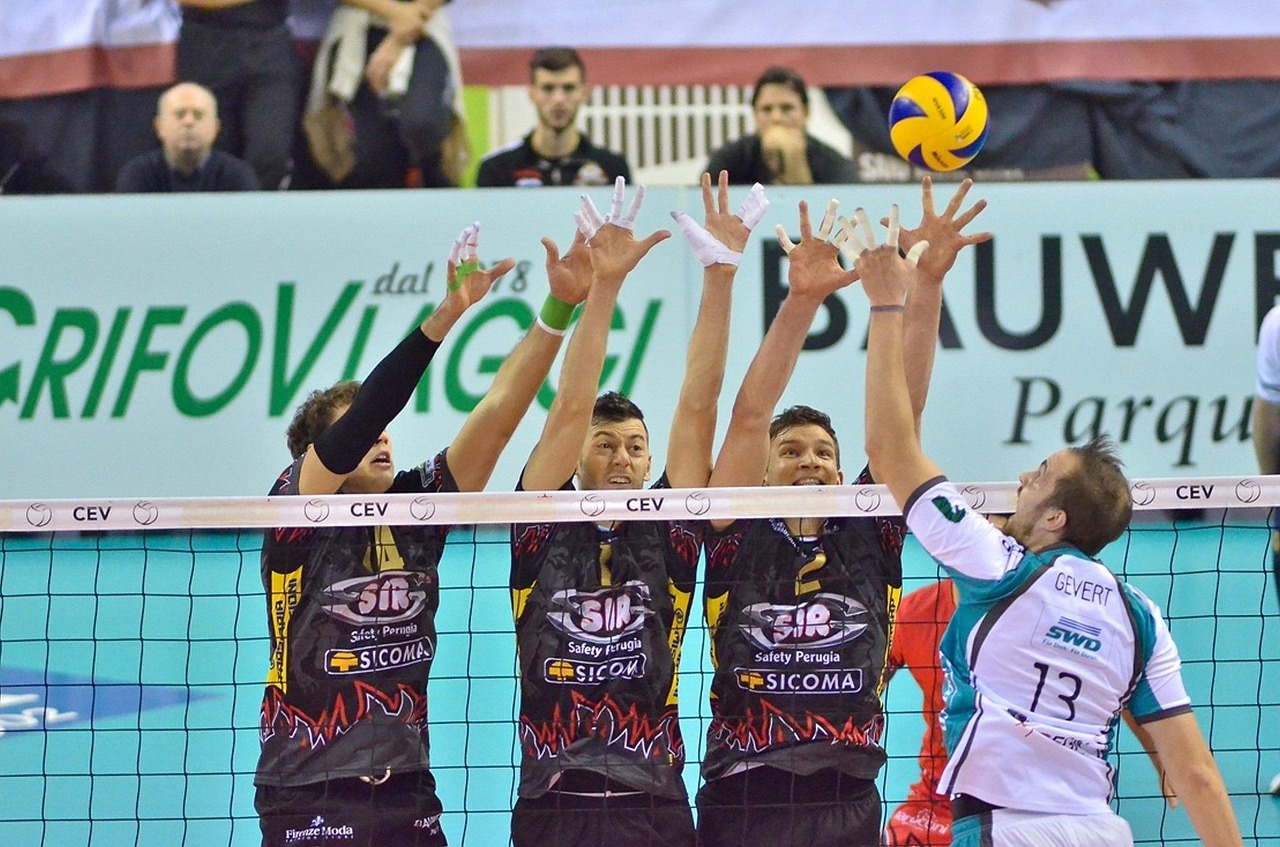
Melbourne’s serious volleyball identity is rooted in the indoor game. Indoor volleyball provides the clearest pathway for organized teams, junior development, school competition, university volleyball, and senior club play. The city’s indoor volleyball scene depends on gyms, associations, coaches, referees, and competition structures that allow players to move from beginner levels into stronger divisions.
At the technical level, indoor volleyball in Melbourne follows the same developmental demands seen in other competitive markets. Players need to master first contact, serve pressure, transition movement, defensive reading, and attacking range. Setters must learn to manage tempo and location. Middles need footwork and blocking discipline. Liberos and defensive specialists become crucial in longer rallies. For younger players, the challenge is often learning that volleyball is not just a reaction sport. It is a system sport.
Melbourne’s club and association structure gives athletes a place to learn those systems. For juniors, volleyball can become a year-round commitment. For adults, it can remain competitive well beyond school age. That adult participation is important because it keeps the volleyball community connected across generations.
Schools, Universities, and the Development Pipeline
Melbourne’s volleyball future depends heavily on schools and universities. In Australia, school sport can introduce athletes to volleyball even when the sport is not dominant in the national media. A student may first encounter volleyball through physical education, interschool competition, or a school team, then move into club volleyball if the interest deepens.
Universities also play a major role. Melbourne’s large student population creates demand for competitive and social volleyball. University volleyball can serve different purposes at once: a serious competition pathway for experienced players, a social entry point for newer players, and a bridge for international students who already know the sport. In a city with major universities and a large international student community, that matters.
The challenge is retention. Many athletes try volleyball casually, but the sport’s long-term development requires coaching, facilities, consistent competition, and clear progression. Melbourne has the scale to support that, but volleyball still competes with more prominent sports for gym time, funding, and public attention. Strong clubs and school partnerships are essential if the city wants to keep players moving from introductory volleyball into advanced competition.
Beach and Outdoor Volleyball in a Southern City
Melbourne is not defined by beach volleyball in the same way as some warmer Australian coastal locations, but outdoor volleyball still has a place in the city’s identity. The beaches, parks, and summer sports culture give players opportunities to move the game outside. Beach volleyball offers a different version of the sport: fewer players, more touches, more reading, more conditioning, and a greater demand for all-around skill.
For indoor players, beach volleyball can sharpen ball control and decision-making. For recreational players, it gives the sport a social and seasonal appeal. Melbourne’s weather is less reliably beach-friendly than parts of Queensland or northern Australia, but the city’s outdoor culture still allows beach and park volleyball to contribute to the broader scene.
This makes Melbourne a balanced volleyball market rather than a single-discipline city. Indoor volleyball carries the competitive structure. Beach and outdoor volleyball broaden participation and give the sport a visible summer presence.
Melbourne’s Place in Australian Volleyball
Within Australia, Melbourne has the ingredients to be one of the country’s stronger volleyball cities. It has size, diversity, schools, universities, clubs, and a sports-literate public. The main challenge is visibility. Australia has produced important volleyball athletes and has a meaningful place in international beach volleyball history, but indoor volleyball does not command the same national attention as the country’s biggest sports.
That creates a familiar problem for Melbourne volleyball: the sport is healthier at the participation level than at the public-awareness level. Many people play or encounter volleyball, but fewer follow it as spectators. The next stage of growth depends on stronger pathways, better storytelling around elite players, more visible competitions, and continued development of both junior and senior volleyball.
Melbourne’s volleyball future is promising because the city is built for layered sports communities. It can support elite athletes, committed clubs, social competitions, school teams, university leagues, and outdoor formats at the same time. That variety is a strength. It means volleyball does not need to depend on one narrow identity.
Melbourne volleyball is not just one thing. It is indoor competition in gyms, multicultural club culture, school and university development, adult social play, and outdoor volleyball during the warmer parts of the year. Its reputation is still growing, but the foundation is strong. In a city that takes sport seriously at every level, volleyball has enough structure and participation to keep building a larger role in Melbourne’s athletic landscape.