Indonesia’s volleyball identity is one of Southeast Asia’s strongest and most active. Unlike countries where volleyball sits quietly behind a few larger sports, Indonesia has a visible volleyball culture supported by national competition, professional clubs, packed local interest, and a men’s national team that has built a serious regional reputation. The sport is not merely recreational. It has a professional stage, a federation structure, a club following, and athletes who can become recognizable public figures.
The center of Indonesian volleyball is indoor volleyball. Beach volleyball exists and has regional relevance, but the country’s main volleyball pulse is in six-player indoor competition: Proliga clubs, national-team matches, SEA Games rivalries, and the kind of high-energy gym atmosphere that gives the sport real presence. Indonesia’s volleyball culture has a different feel from countries where the sport is mostly school-based. It is club-driven, federation-shaped, media-visible, and connected to regional pride.
A Regional Volleyball Nation
Indonesia is not yet a global volleyball power, but within Southeast Asia it is a serious country. That distinction matters. Volleyball development is often regional before it becomes global. A team first learns to dominate or contend in its neighborhood, then uses that platform to test itself against stronger continental opponents. For Indonesia, Southeast Asia has been the proving ground.
The men’s national team has been especially important to that identity. Indonesia has built a reputation through SEA Games success, regional finals, and competitive matches against neighboring programs. Matches against Thailand, Vietnam, the Philippines, and other Southeast Asian opponents carry real stakes because they define regional hierarchy. In that environment, Indonesia has often looked like one of the area’s most physically dangerous teams: strong attackers, emotional momentum, and enough crowd energy to turn matches into events.
The country’s best teams tend to play with force. Indonesian volleyball is not only about size, but the national style is often associated with heavy attacking, energetic defense, and momentum swings. When the passing holds and the setter can run the offense, Indonesia can pressure opponents with quick scoring runs. The next layer for international growth is the same layer that separates regional contenders from Asian powers: serve receive under stress, middle-blocker timing, transition patience, and the ability to win long tactical matches against more disciplined systems.
Proliga and the Club Backbone
Proliga is the backbone of modern Indonesian volleyball. Founded in the early 2000s, it gave the country a professional league structure for both men’s and women’s teams. That matters because leagues create continuity. They give players a domestic target, clubs a competitive identity, sponsors a product, and fans a reason to follow the sport beyond short national-team windows.
Indonesian clubs carry more than names on a schedule. They shape how fans experience the sport. Clubs such as Surabaya Samator, Jakarta LavAni, Jakarta Bhayangkara Presisi, Jakarta Pertamina, Jakarta BIN, and others have helped give Indonesian volleyball a recognizable professional ecosystem. The league format also allows imported players and coaches to raise the standard, giving local athletes exposure to different tempos, blocking systems, and attacking styles.
That club environment has become increasingly important because Indonesian volleyball is now producing moments that travel beyond domestic interest. Jakarta Bhayangkara Presisi’s rise is one of the clearest examples. The club’s continental performances have shown that an Indonesian team can matter in Asian club volleyball, not just Southeast Asian competition. When an Indonesian club wins or reaches the final stages of continental tournaments, it changes the way the country’s volleyball is viewed. It gives domestic players a higher reference point and gives fans a reason to believe that Proliga teams can compete outside the national bubble.
Megawati and the Visibility of Women’s Volleyball
Women’s volleyball in Indonesia has gained a major visibility boost through Megawati Hangestri Pertiwi. Her rise matters because star players change the way casual fans attach to a sport. A strong league is important, but a recognizable athlete gives people someone to follow across clubs, countries, and competitions. Megawati’s international club career, especially her popularity during her time in South Korea, gave Indonesian volleyball a modern star with cross-border reach.
That kind of attention can reshape the women’s game. It creates a new reference point for young players who want to see a pathway beyond domestic volleyball. It also helps the public understand that Indonesian volleyball talent can travel. The best outcome would be a broader women’s development system that uses star visibility to strengthen youth coaching, club investment, and national-team depth.
Indonesia’s women’s volleyball scene has long had competitive energy, but the difference between regional success and wider Asian relevance is depth. One standout opposite or outside hitter can change a match; a deeper national program can change an era. The next step is building more setters, liberos, middles, and wing attackers who can handle high-level speed and pressure consistently.
How Players Are Formed
Indonesia’s player development structure is tied to schools, local clubs, provincial competition, national championships, and Proliga pathways. The country’s geography makes this complex. Indonesia is an archipelago, which means talent identification and consistent competition require coordination across islands, cities, and provinces. Java naturally carries a major share of volleyball infrastructure, but the national talent base is broader than one city or one region.
The best players often emerge from local competition before moving into stronger club environments. Once they reach Proliga, they are exposed to a more demanding style of volleyball: faster serving, bigger blocks, foreign attackers, more sophisticated defensive systems, and pressure from crowds and media. For national-team development, that domestic league experience is valuable. It gives players match rhythm and a professional standard.
The challenge is creating enough elite training before players reach the senior level. Asian volleyball powers are built through years of technical development. Passing platforms, setter location, blocking footwork, defensive reading, and attacking range are built early. Indonesia has the passion and athlete pool. Its ceiling rises as more players receive structured coaching before they are asked to solve matches at the professional or national-team level.
Beach Volleyball and Island Potential
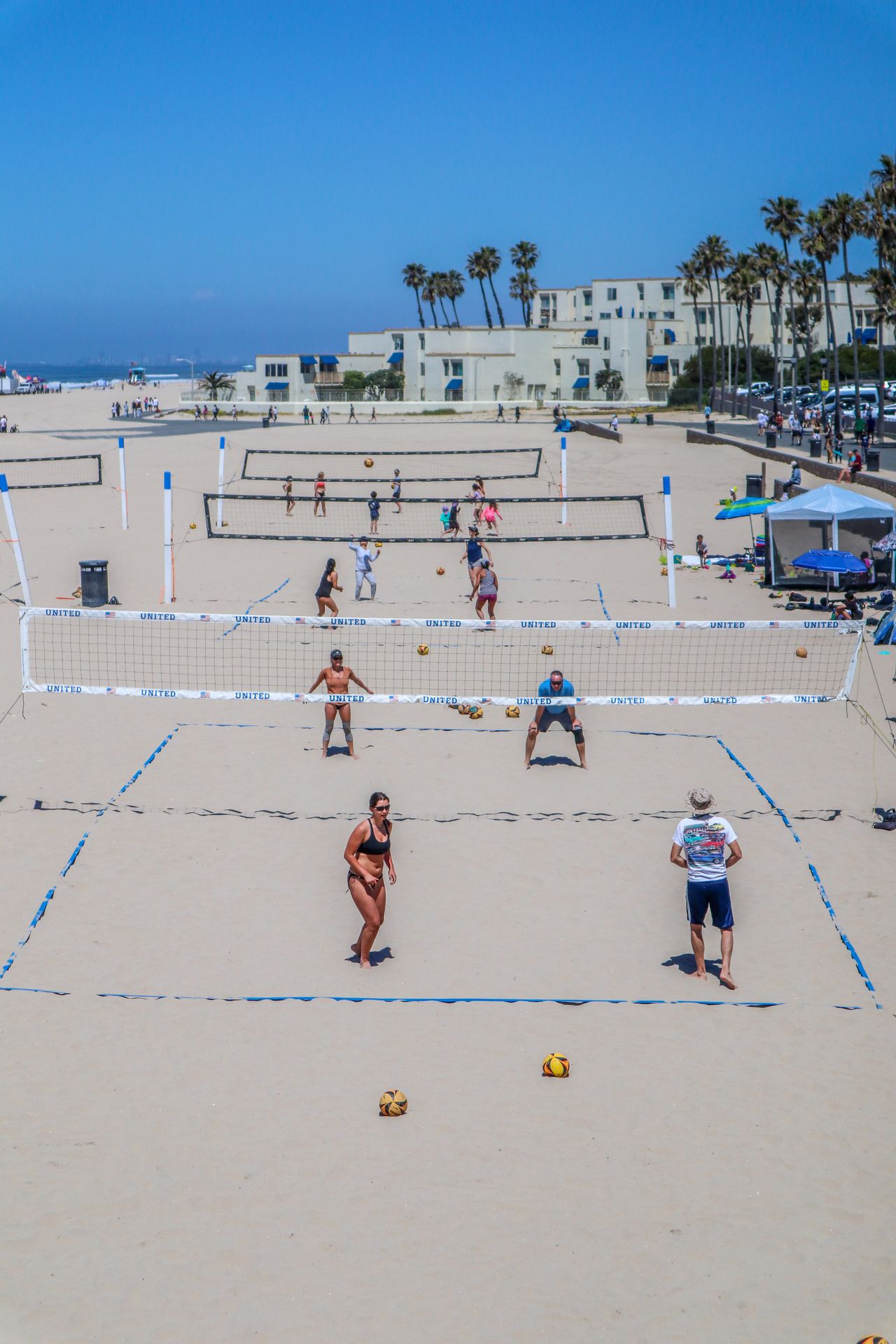
Indonesia’s geography suggests huge beach volleyball potential, and the country has had beach volleyball success in Asian and Southeast Asian settings. But the public identity of Indonesian volleyball remains more indoor than beach-first. Beach volleyball requires specialized development. Indoor athleticism helps, but two-player sand volleyball demands different movement, conditioning, shot selection, wind management, and tactical patience.
Still, Indonesia has the natural environment to make beach volleyball a stronger part of its future. With beaches, resort areas, and outdoor sports culture across many islands, the country could support a more visible beach circuit. The opportunity is not only recreational or tourism-based. If Indonesia invests in sand-specific coaching and more consistent tournaments, beach volleyball can become a serious complementary pathway rather than a side note.
Volleyball Culture and the Road Ahead
Indonesia’s volleyball culture has one major advantage: people care. Professional matches can draw attention. National-team results are followed. Star players can become widely recognized. Clubs can build identities. That emotional foundation is difficult to manufacture, and Indonesia already has it.
The next stage is competitive refinement. The country has proven it can be a Southeast Asian leader and a dangerous regional opponent. Now the question is how often Indonesian volleyball can push deeper into Asian competition. That means stronger youth systems, more international matches, better coaching development, continued Proliga investment, and a pipeline that connects provincial talent to elite clubs without losing players along the way.
Indonesia is one of the more compelling volleyball countries in Asia because it has both energy and structure. It has a professional league, national-team relevance, star power, and a fan base that gives the sport atmosphere. Its future will be measured by whether that foundation can produce more complete teams: better first contact, deeper benches, steadier setters, more disciplined blockers, and players who can win not only with emotion and power, but with control. If that happens, Indonesian volleyball will not just remain a Southeast Asian force. It will become a more consistent part of the broader Asian volleyball conversation.