Micronesia’s volleyball identity is built around island sport, regional competition, and the practical realities of developing team games across a wide Pacific geography. The Federated States of Micronesia does not have the profile of a global volleyball power, but volleyball fits the country’s athletic environment naturally: it can be played indoors, outdoors, on sand, in schools, in community gyms, and in multi-sport regional events where Pacific nations test themselves against neighbors with similar geographic challenges. In that context, Micronesia is best understood as an emerging Pacific volleyball country with a strong regional frame rather than a nation defined by professional clubs or major international rankings.
The country’s competitive volleyball story is tied closely to the wider Pacific Games structure. For small island nations, events such as the Pacific Games and Pacific Mini Games are often more meaningful than world-level qualifying campaigns because they create regular competition against countries with comparable populations, facilities, and development systems. At the 2025 Pacific Mini Games in Palau, indoor volleyball and beach volleyball were both part of the sports program, giving Pacific federations and athletes a platform across both major versions of the sport. The Federated States of Micronesia appeared in the men’s indoor volleyball schedule, including matches against Kiribati and Papua New Guinea at Palau National Gym.
That regional schedule matters because volleyball in Micronesia depends on repetition, exposure, and competition rhythm. A team does not become sharper in serve receive, transition defense, blocking discipline, or late-set execution by training in isolation. It needs matches where setters have to manage pressure, outside hitters have to score against organized blocks, and back-row defenders have to read attackers from different systems. For Micronesia, the Pacific arena provides those tests. It also gives athletes a clear target: represent the islands, improve against regional rivals, and build a volleyball identity that can survive the distance between communities.
Indoor volleyball in Micronesia is likely to remain the foundation because it connects best with school programs, national delegation events, and standard six-player competition. Indoor volleyball offers a more formal player-development route: young athletes learn rotations, serve receive responsibilities, front-row and back-row transitions, and the positional structure that defines international volleyball. The challenge is scale. A country spread across islands has to build depth without the dense club systems found in larger volleyball nations. That makes coaching, facility access, and inter-island competition especially important.
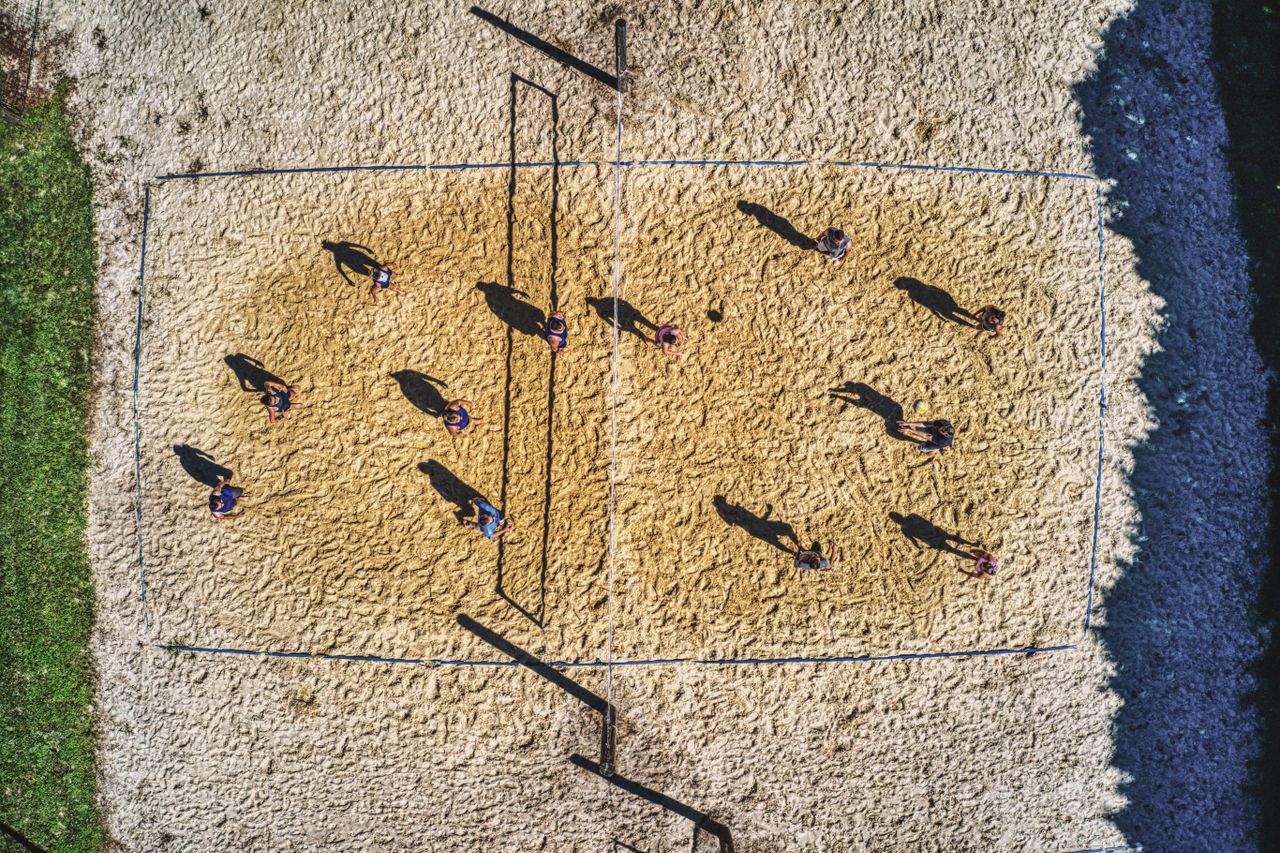
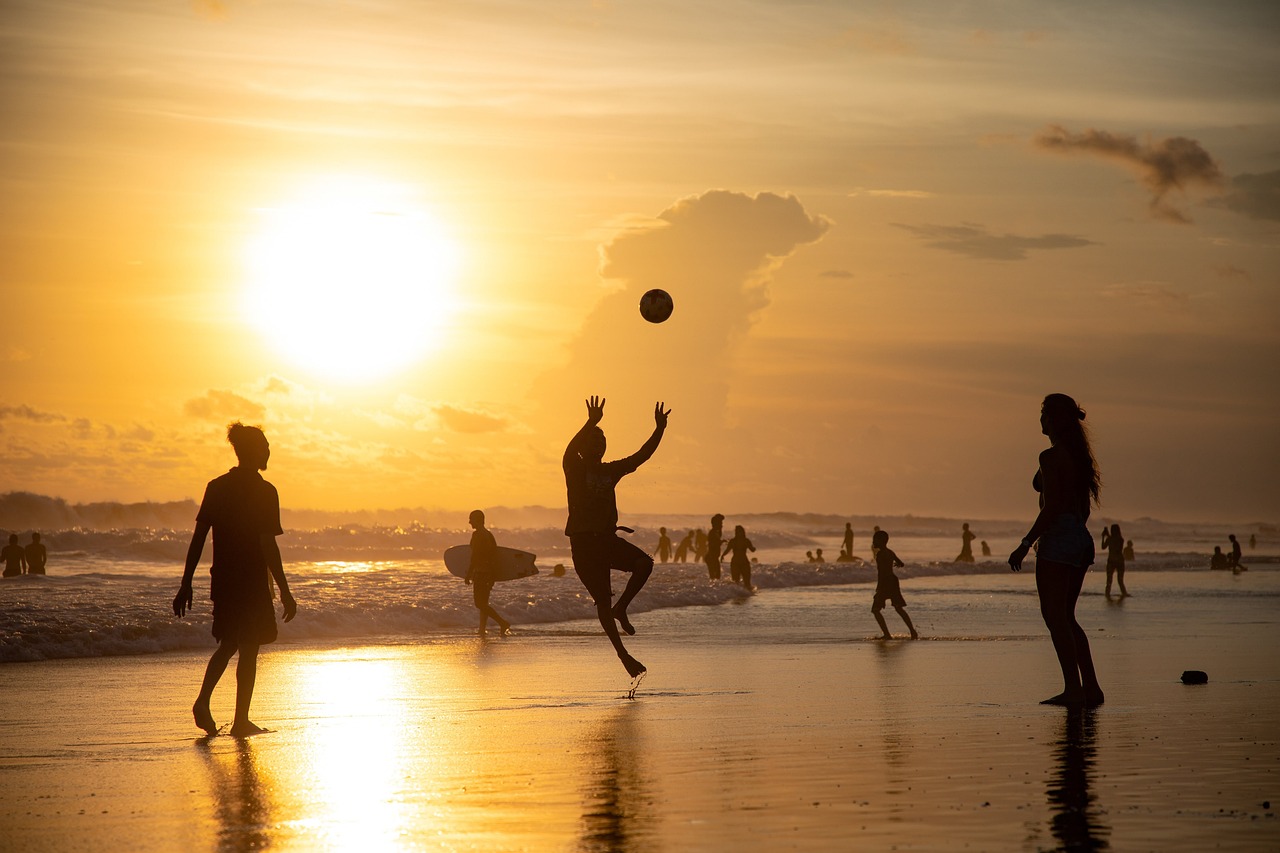
Beach volleyball also has a natural place in Micronesia’s volleyball future. The country’s geography gives it the outdoor setting for sand volleyball, but a beach volleyball culture does not become competitive simply because a country has beaches. It needs trained pairs, regular tournaments, ball-control coaching, conditioning, and tactical understanding of two-player systems. The Pacific region has made beach volleyball a development priority in recent years, and FIVB coverage of the 2025 Pacific Mini Games emphasized both volleyball and beach volleyball as part of the event’s regional development value.
The next stage for Micronesian volleyball is not about becoming a global contender overnight. It is about building a stronger base: more consistent school participation, more trained coaches, better competition calendars, and a clearer pathway from community volleyball into national-team selection. A small country can still produce disciplined volleyball when its athletes learn the game early and compete often. For Micronesia, the sport’s best opportunity is to keep using Pacific competition as a measuring stick while developing the local systems that make national teams more prepared each time they step onto the court.