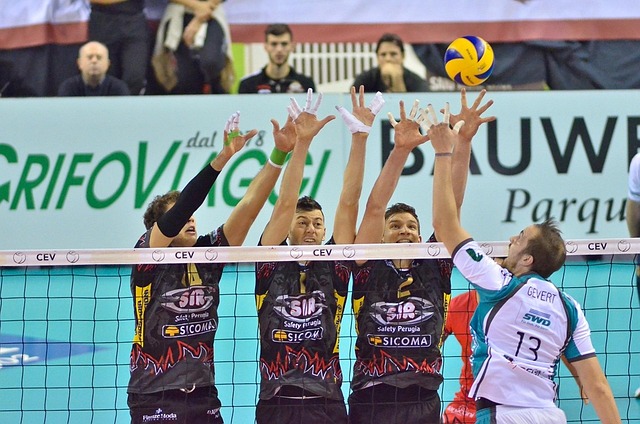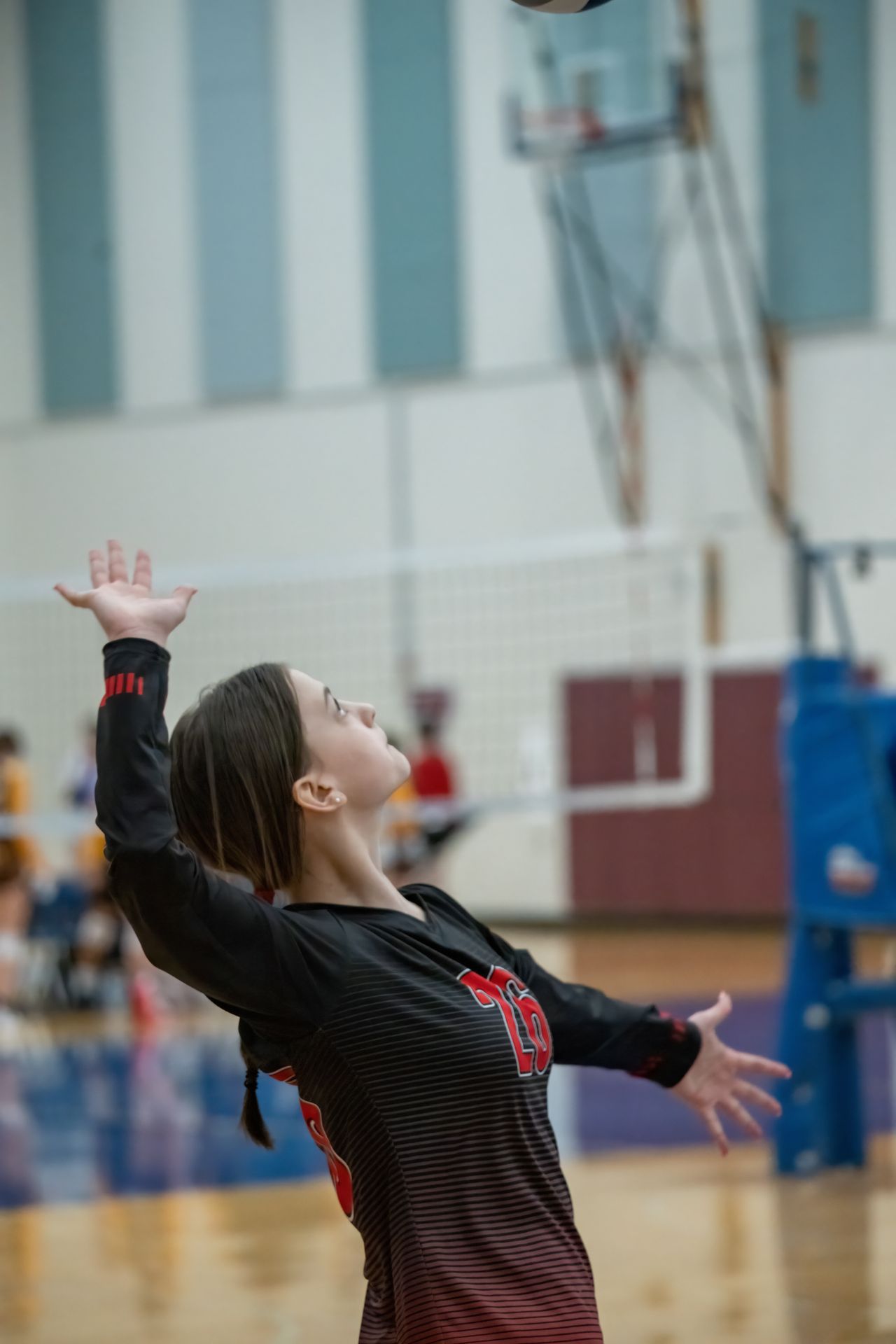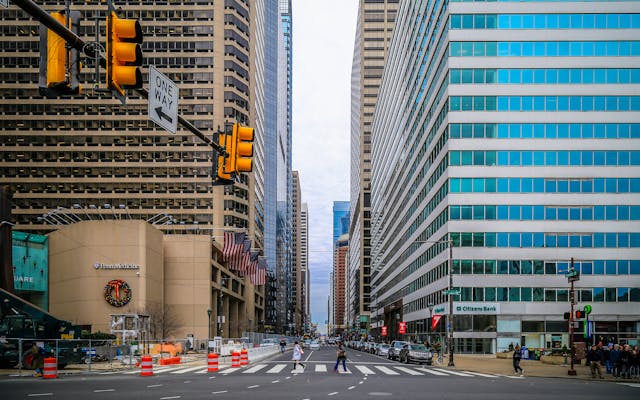
Philadelphia volleyball is a school, club, college, and tournament-driven market. It is not a beach-first city and it is not a professional volleyball capital. Its identity is built through gyms, junior clubs, high school teams, college programs, regional qualifiers, adult leagues, and the wider Pennsylvania and Mid-Atlantic volleyball scene.
That gives Philadelphia a practical but serious volleyball character. The sport is woven into the area through participation more than spectacle. Players grow through school seasons, club practices, weekend tournaments, recruiting showcases, and adult competition. Families learn the rhythm of volleyball through early-morning convention center waves, long club seasons, and regional travel. Coaches build athletes through repetition, position training, and competitive exposure.
Philadelphia’s strongest volleyball role is as a connector. It links Pennsylvania, New Jersey, Delaware, Maryland, New York, and the broader Northeast. The city’s location makes it a natural tournament and recruiting hub, while its density gives the sport a large participation base. Volleyball in Philadelphia is not defined by one famous team. It is defined by the scale and seriousness of the ecosystem.
The Junior Club Engine
The heart of modern Philadelphia volleyball is the junior club scene. Like many strong U.S. volleyball markets, the city’s best young players often develop through a mix of school volleyball and club competition. School teams provide identity and local rivalries. Club volleyball provides additional training, stronger tournament schedules, recruiting exposure, and position-specific development.
In the Philadelphia area, club volleyball pulls from a wide geography. Athletes from the city, suburbs, South Jersey, southeastern Pennsylvania, and northern Delaware can all become part of the same competitive network. This creates a dense regional scene where players often know each other across school lines and face each other repeatedly during club season.
The club model also shapes how volleyball is understood. Parents and players become familiar with terms like national teams, regional teams, qualifiers, bids, libero training, setter development, recruiting profiles, and tournament waves. Volleyball becomes less of a seasonal school sport and more of a year-round athletic path.
Philadelphia’s club culture is especially important for girls volleyball, where the region has enough depth to send athletes toward college programs at different levels. But boys volleyball also matters in Pennsylvania, a state with one of the more established boys high school volleyball traditions in the country. That gives the Philadelphia market a broader volleyball profile than cities where the sport is almost entirely girls-focused.
A Tournament City for the Northeast
Philadelphia’s convention and travel infrastructure gives it a major role in junior volleyball events. Large qualifiers and multi-weekend tournaments can bring thousands of athletes, coaches, officials, and families into the city. These events are not just economic activity. They shape the volleyball calendar and make Philadelphia a recurring destination in the national junior volleyball system.
The Northeast Qualifier is central to that identity. A national qualifier gives Philadelphia volleyball a level of visibility that extends beyond local clubs. Teams from many states come through the city chasing bids to national championships, and that transforms Philadelphia into a major volleyball stage during the club season.
This is where the city’s volleyball personality becomes clear. Philadelphia is not simply a place where people play volleyball. It is a place where the sport gathers. Convention center volleyball has its own atmosphere: courts lined side by side, whistles overlapping, college coaches moving between matches, teams warming up in narrow spaces, and parents tracking schedules across long days. It is not glamorous, but it is one of the defining environments of American junior volleyball.
College Volleyball Across the City
Philadelphia’s college sports scene also supports the volleyball ecosystem. The city and surrounding area include Division I programs and a wide range of NCAA volleyball opportunities across different levels. Schools such as Temple, Villanova, Saint Joseph’s, Penn, Drexel, and La Salle give the area a college volleyball presence that connects local athletes to the next stage of the sport.
College volleyball in Philadelphia does not carry the same public attention as basketball or football, but it matters inside the volleyball community. It gives younger players a chance to watch higher-level matches close to home. It gives local recruits visible examples of the speed and physicality required beyond high school. It also keeps experienced coaches, officials, and volleyball families connected to the sport.
The college layer is especially important because Philadelphia is an education-heavy city. Volleyball benefits from that institutional density. Even when programs are not national powers, they contribute to the area’s overall volleyball culture by hosting matches, camps, clinics, and recruiting connections.
Grass Volleyball and the Pennsylvania Tradition
Philadelphia’s volleyball identity also reaches beyond indoor gyms. Pennsylvania has one of the country’s best-known grass volleyball traditions through the Pottstown Rumble, held outside the city but close enough to be part of the region’s volleyball consciousness. Grass doubles gives the Philadelphia area a different kind of volleyball credibility.
Grass volleyball rewards all-around players. There is no hiding in a specialized indoor role. Players must pass, set, attack, defend, communicate, and manage outdoor conditions. For indoor athletes, grass can sharpen touch and court awareness. For adult players, it creates a competitive summer culture that feels different from indoor league play.
The Pottstown connection matters because it gives the region a major outdoor volleyball event without requiring a beach identity. Philadelphia is not a coastal volleyball city, but it still has a meaningful outdoor volleyball tradition nearby. That makes the local scene more varied than it might first appear.
What Philadelphia Volleyball Is Becoming
Philadelphia volleyball is likely to keep growing through the same channels that already define it: junior clubs, high school competition, large tournaments, college programs, and adult participation. The city does not need a professional team to have a strong volleyball identity. Its strength comes from participation density and regional importance.
The next stage for Philadelphia volleyball will depend on access, coaching depth, boys volleyball growth, facility availability, and the continued strength of major tournaments. If more athletes can enter the sport earlier, train consistently, and find competitive teams at the right level, the area will continue producing college players and serious lifelong participants.
Philadelphia’s volleyball identity is therefore not built around one court, one beach, or one championship team. It is built around systems. School gyms, club practices, convention center qualifiers, college matches, grass tournaments, and adult leagues all contribute to the same ecosystem. The result is a city that may not always appear on short lists of famous volleyball destinations, but remains one of the important volleyball markets in the Northeast.