Illinois volleyball is defined by scale, geography, and a strong Midwestern competition culture. The state is not built around one single volleyball identity. It has a major urban club scene in Chicagoland, a serious high school base across the suburbs and smaller cities, established college programs, and a growing outdoor volleyball culture during the warmer months. That mix gives Illinois one of the broader volleyball ecosystems in the central United States: competitive enough to produce college-level athletes, large enough to sustain deep club circuits, and recreational enough to keep the sport visible in gyms, parks, and sand courts well beyond the school season.
The state’s volleyball profile starts with indoor volleyball. Illinois has long been a strong girls’ and women’s volleyball state, with high school programs feeding into junior clubs, college recruiting networks, and regional tournaments. In many communities, volleyball sits alongside basketball, soccer, softball, and track as one of the core school sports for girls. The best programs are often built around year-round athletes who move from the high school season into club volleyball, where the level of play becomes faster, more specialized, and more connected to recruiting.
Chicagoland is the center of gravity. The city and its suburbs give Illinois a dense volleyball market, with large athlete pools, experienced coaches, and club programs that can compete across age groups. Suburban gyms in the western, northern, and southwestern parts of the metro area are often where the state’s strongest junior volleyball culture is most visible. Players who develop there are used to heavy tournament schedules, positional training, and competition against other serious Midwest clubs. That environment matters because volleyball rewards repetition and decision-making: serve receive, defensive positioning, setter-hitter timing, blocking discipline, and transition offense all improve when athletes are playing meaningful matches throughout the year.
Illinois also benefits from its position inside the Big Ten footprint. The University of Illinois gives the state a recognizable major-conference volleyball presence, and Northwestern adds another Big Ten program in the Chicago area. Those programs matter beyond their records because they connect Illinois volleyball to the highest levels of the college game. Big Ten volleyball carries a specific reputation: physical pins, disciplined blocking, strong serving, deep scouting, and large crowds in volleyball-first gyms across the conference. For Illinois players, having that level of competition within the state gives the sport a visible college standard.
The University of Illinois program has helped shape the state’s volleyball reputation because it has competed nationally and given Illinois fans a clear example of elite indoor volleyball. A strong college program changes the way a state sees the sport. It gives younger athletes a target, gives coaches a reference point, and gives fans a reason to understand volleyball as more than a participation sport. When Illinois is competitive in the Big Ten, it reinforces the idea that the state belongs inside the national volleyball conversation.
Below the power-conference level, Illinois has a wider college volleyball ecosystem that includes mid-major, Division II, Division III, NAIA, and junior college opportunities. That depth is important because most volleyball players do not follow a straight line from a top club team to a Big Ten roster. The state’s broader college structure gives athletes different competitive pathways depending on size, position, academic fit, development curve, and recruiting exposure. A libero from a strong suburban program, a middle blocker from a smaller city, or a late-developing outside hitter may all find meaningful college volleyball opportunities without leaving the region.
High school volleyball is one of the state’s essential foundations. Illinois has enough population density to create strong local rivalries, but it also has enough geographic diversity to produce different kinds of volleyball cultures. The Chicago suburbs often drive the most visible high-end recruiting conversation, but downstate programs and smaller-city schools add another layer to the state’s competitive identity. In those communities, volleyball can become a major school event, with gyms that feel more intimate and intense than large neutral-site tournaments. The sport’s rhythm changes depending on the setting: suburban club athletes may be polished and system-trained, while smaller-school standouts often carry heavier offensive or defensive responsibility for their teams.
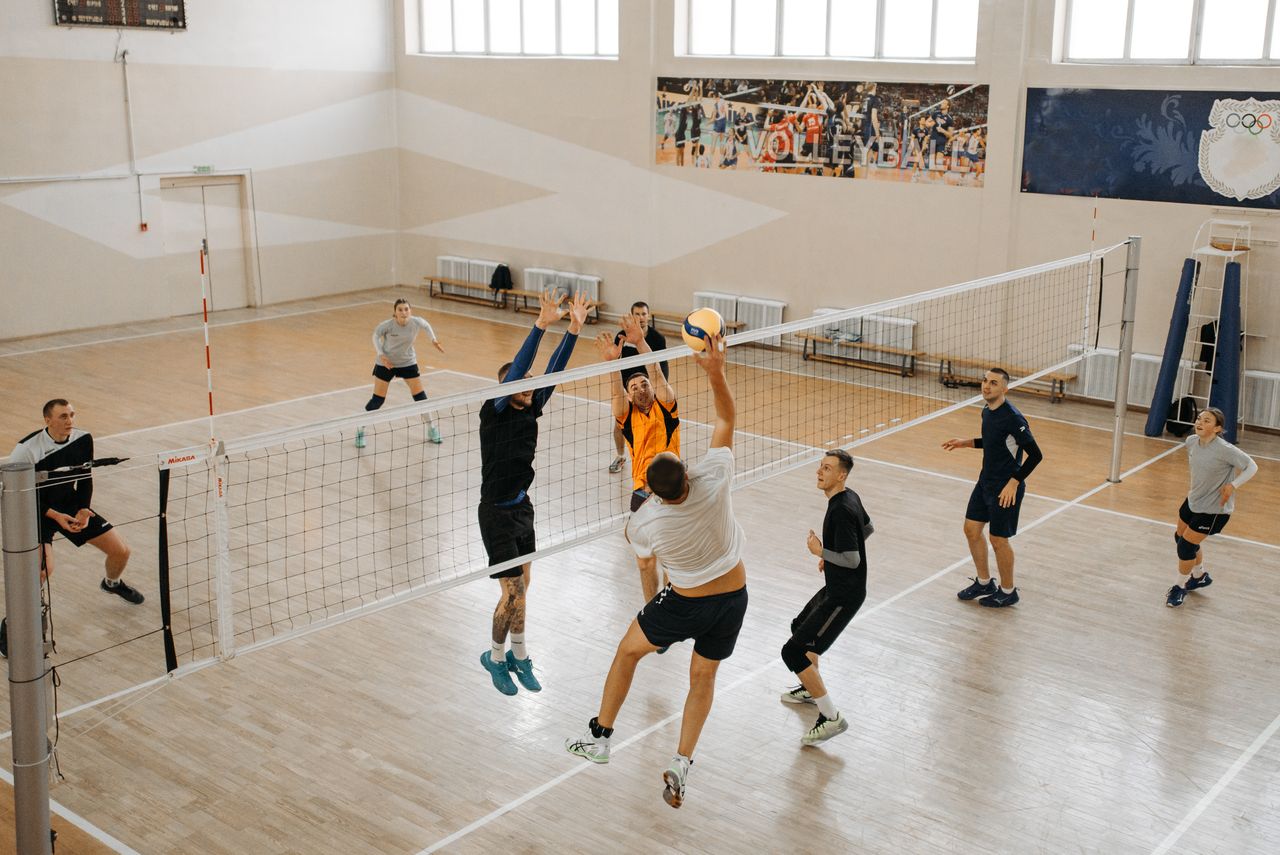
Boys’ volleyball also has an important place in Illinois, especially compared with many states where the boys’ game remains much thinner. The Chicago area has been one of the stronger boys’ volleyball markets in the Midwest, with school programs and clubs giving male athletes a legitimate pathway into the sport. That helps Illinois stand out. In states where boys’ volleyball is underdeveloped, talented athletes often drift toward basketball, baseball, soccer, or football. In Illinois, there is enough structure for boys to specialize, compete, and pursue college opportunities, especially as men’s volleyball continues to expand nationally.
Beach and outdoor volleyball are not the state’s primary identity, but they add texture to the scene. Chicago’s lakefront gives Illinois a summer volleyball culture that feels distinct from the indoor season. Sand courts along Lake Michigan, recreational leagues, and beach tournaments create a different version of the sport: less about school colors and club rankings, more about ball control, reading the game, wind management, and two-player responsibility. For indoor players, beach volleyball can sharpen touch, serve receive, court vision, and defensive range. For adults, it keeps volleyball active as a social and competitive sport long after high school or college.
Illinois volleyball culture is also shaped by its tournament environment. The state is close enough to other strong volleyball areas — Wisconsin, Indiana, Michigan, Missouri, Iowa, and Ohio — to keep athletes inside a serious regional circuit. That matters for development. Illinois teams are not isolated; they are constantly measured against other Midwest programs. A strong club team from the Chicago area may see different styles of play across regional tournaments: physical Big Ten-style athletes, defensive teams with disciplined ball control, fast-tempo offenses, and clubs built around one dominant outside hitter. That variety helps players learn how to adjust.
The state’s future in volleyball looks strongest where club development, boys’ volleyball growth, college visibility, and urban/suburban participation overlap. Illinois has the population, facilities, coaching base, and regional competition to remain a major volleyball state. Its challenge is not whether the sport exists; it is how broadly opportunity spreads beyond the strongest club corridors. When volleyball access is tied too heavily to expensive year-round training, some athletes are left outside the pipeline. But the state’s school programs, college options, and recreational volleyball culture give Illinois more than one way to build the game.
Illinois is not a beach-first volleyball state, and it is not defined by one national dynasty. Its identity is more layered than that. It is a serious indoor volleyball market with Big Ten visibility, a deep suburban club culture, meaningful boys’ volleyball infrastructure, and a lakefront outdoor scene that gives the sport a summer personality. In the larger American volleyball map, Illinois sits as one of the Midwest’s most important development states: competitive, structured, and broad enough to keep producing players who understand the game from the first serve to the final defensive scramble.