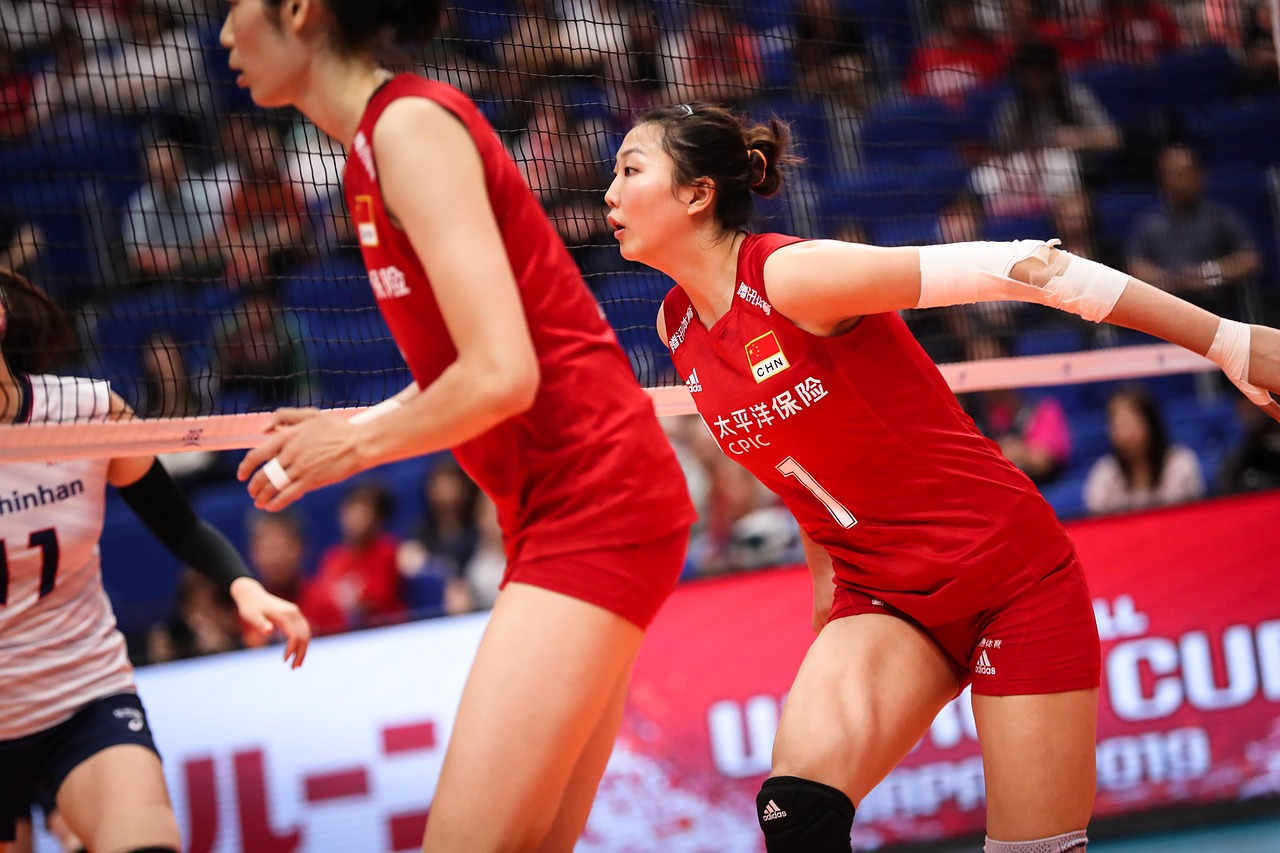
London has one of the most layered volleyball identities in Europe because the city is both local and international. It is not a volleyball capital in the same way Warsaw, Istanbul, Belgrade, or Milan might be. It does not sit at the center of a dominant domestic professional league. But London has something else: density, diversity, club variety, university participation, recreational demand, indoor competition, beach volleyball pockets, and a constant inflow of players from countries where volleyball is already deeply established.
That gives London a hybrid identity. Volleyball in the city is part English club sport, part international community sport, part student sport, part beach and recreational scene, and part emerging professional spectacle. The city’s volleyball culture is not carried by one pathway. It is carried by many overlapping ones.
An International City with an International Game
Volleyball fits London because London is built from international communities. Players from Europe, Africa, Asia, Latin America, and the Middle East bring volleyball habits with them: technical training from school systems, club experience from continental Europe, beach traditions from warmer countries, and national-team enthusiasm from places where volleyball has a higher public profile.
That matters because England itself has not historically been a global indoor volleyball power. London’s volleyball scene therefore draws strength from the city’s diversity. The player base is often more international than the national sports hierarchy would suggest. In local gyms, university programs, and club environments, the sport can feel more global than its domestic media profile.
Volleyball England’s structure gives the sport a national framework, including indoor volleyball, beach volleyball, national teams, junior competitions, coaching, and club registration. London fits inside that framework while also operating with its own metropolitan energy.
The result is a city where volleyball can feel bigger on the court than it appears in the broader sports conversation. Football, rugby, cricket, tennis, and athletics dominate London’s public sports identity, but volleyball survives through participation, communities, clubs, students, and events.
Indoor Volleyball and the Club Core
London’s indoor volleyball reputation is tied to clubs. The city has enough athletes, facilities, and competitive ambition to support teams across different levels, from social and developmental volleyball to higher-level national competition. Volleyball England’s club finder lists London-based teams and clubs across indoor and beach volleyball, reflecting the city’s role as one of the country’s key volleyball markets.
The club model is essential because volleyball needs structured training. Casual play can introduce people to the sport, but competitive volleyball requires systems: serve receive patterns, setter-hitter relationships, blocking schemes, defensive responsibilities, and transition play. London’s clubs provide that framework for athletes who want more than recreational matches.
London’s indoor game is also shaped by the city’s logistical reality. Court time is valuable. Travel across the city can be slow. Facilities are shared with many other sports. Those constraints affect training volume and consistency. In a smaller volleyball city, one club might dominate the landscape. In London, the scene is spread across boroughs, universities, leisure centers, schools, and community sports venues.
That spread can make the scene feel fragmented, but it also gives London resilience. Volleyball does not depend on one facility or one club. It lives through a network.
London Giants and the Push for Visibility
One of the most important developments in London volleyball has been the effort to raise the profile of elite domestic competition. London Giants have been part of the Volleyball England Super League picture, and the city hosted a Super League Live event at Crystal Palace National Sports Centre in November 2024, promoted as a landmark effort to showcase the sport in the UK.
That kind of event matters for London because visibility is one of the sport’s main challenges. Participation alone does not automatically create a volleyball culture. Spectators need occasions. Young players need local teams to watch. Sponsors and media need a product that feels organized and presentable. Events like Super League Live help frame volleyball as something more than a participation sport tucked into school gyms and leisure centers.
London is particularly important for that project because it is the UK’s media and events capital. If volleyball wants a broader national audience in England, London is one of the places where that audience can be tested. A successful elite event in the city can give the sport a sharper image: faster, louder, more athletic, and more serious than casual observers may expect.
Beach Volleyball in an Unlikely Capital
London is not a beach city in the traditional sense, but beach volleyball has built a meaningful presence there. That is one of the most interesting parts of the city’s volleyball identity. London’s beach scene is not about natural coastline. It is about constructed spaces, organized leagues, training programs, and a community that treats sand volleyball as a serious discipline even within a dense urban environment.
SideOut, established in 2011, describes itself as a London and Worthing-based provider of beach and indoor volleyball coaching and event management, showing how beach volleyball has found a structured place in the capital’s broader volleyball ecosystem. Richmond Volleyball also identifies itself as a club offering indoor and beach volleyball across West and South West London.
That indoor-beach overlap is important. In London, beach volleyball can serve several audiences at once. It gives indoor players a way to improve ball control and all-around skill. It gives recreational players a social and competitive format. It gives serious beach athletes a pathway into UK beach competitions. It also helps the sport feel less confined to winter gyms and school halls.
The Development Challenge
London’s volleyball future depends on infrastructure, coaching, and visibility. The city already has players. It already has international knowledge. It already has clubs and demand. The challenge is turning that into a clearer pathway from beginner to competitive athlete.
Youth development is especially important. Volleyball in London cannot depend only on adults who arrive with experience from abroad. For the sport to grow locally, more young athletes need to encounter volleyball early enough to develop proper technique. That means schools, junior clubs, community programs, university connections, and coaching education all matter.
The city’s diversity gives volleyball a strong base, but its facilities challenge limits how quickly the sport can scale. More court access, better event presentation, and stronger links between junior volleyball, university volleyball, and elite clubs would help London move from a large participation market to a more coherent competitive hub.
London’s Place in English Volleyball
London’s volleyball identity is still being written. It is not a finished product. It is too international to be purely English, too urban to be traditional, too facility-constrained to be easy, and too active to be ignored.
That mixture is exactly what makes London important. The city can pull players into volleyball from dozens of backgrounds. It can host national events. It can support indoor and beach volleyball in the same ecosystem. It can give England’s volleyball scene a larger stage.
London volleyball is not defined by one dynasty or one beach. It is defined by movement: people, clubs, formats, and ambitions crossing paths in one of the world’s most global cities.