Volleyball in Albania sits within a strong Balkan sporting region, but Albania itself is not one of Europe’s major volleyball powers. Its identity is more modest and developmental: an indoor volleyball country with club roots, school participation, and a regional competitive setting shaped by nearby nations with deeper volleyball traditions. In the Balkans, volleyball has a serious sporting presence. Serbia, Bulgaria, Greece, Turkey, Croatia, and other neighbors have produced stronger international results, larger clubs, and more visible professional scenes. Albania operates in that shadow, but the sport has an established place in the country’s athletic culture.
Albanian volleyball is primarily an indoor game. The country has an Adriatic and Ionian coastline, and recreational beach volleyball can fit naturally into summer sport, but the organized volleyball identity is built around gyms, clubs, schools, and federation competition. That makes Albania different from coastal countries where beach volleyball defines the sport’s public image. In Albania, volleyball’s core is still the court, the club, and the school gym.
Indoor Volleyball and Club Competition
The Albanian volleyball scene is shaped by domestic clubs and national competitions. The structure may not have the financial scale of major European leagues, but it gives the sport a competitive base. Clubs are important because they provide continuity beyond school participation. They are where players learn more advanced systems, positional discipline, blocking schemes, serve pressure, and the faster rhythm required for senior volleyball.
Albania’s men’s and women’s volleyball programs have historically faced the challenge of competing in a dense European environment. European volleyball is unforgiving. Even countries with relatively small populations can have sophisticated club systems, experienced coaches, and players who move through international professional leagues. For Albania, this makes every continental or regional competition a test of depth. The issue is rarely whether the country has athletes. The issue is whether the system can produce enough technically refined players at the same time to raise the national level.
Women’s volleyball has a meaningful place in Albania’s volleyball profile, especially because indoor volleyball is one of the sports where women’s teams can build school, club, and national visibility. Stronger women’s programs help widen the player pool and give the sport a more complete domestic footprint. For a country trying to strengthen its volleyball identity, that balance matters.
Development Through Schools, Clubs, and Regional Play
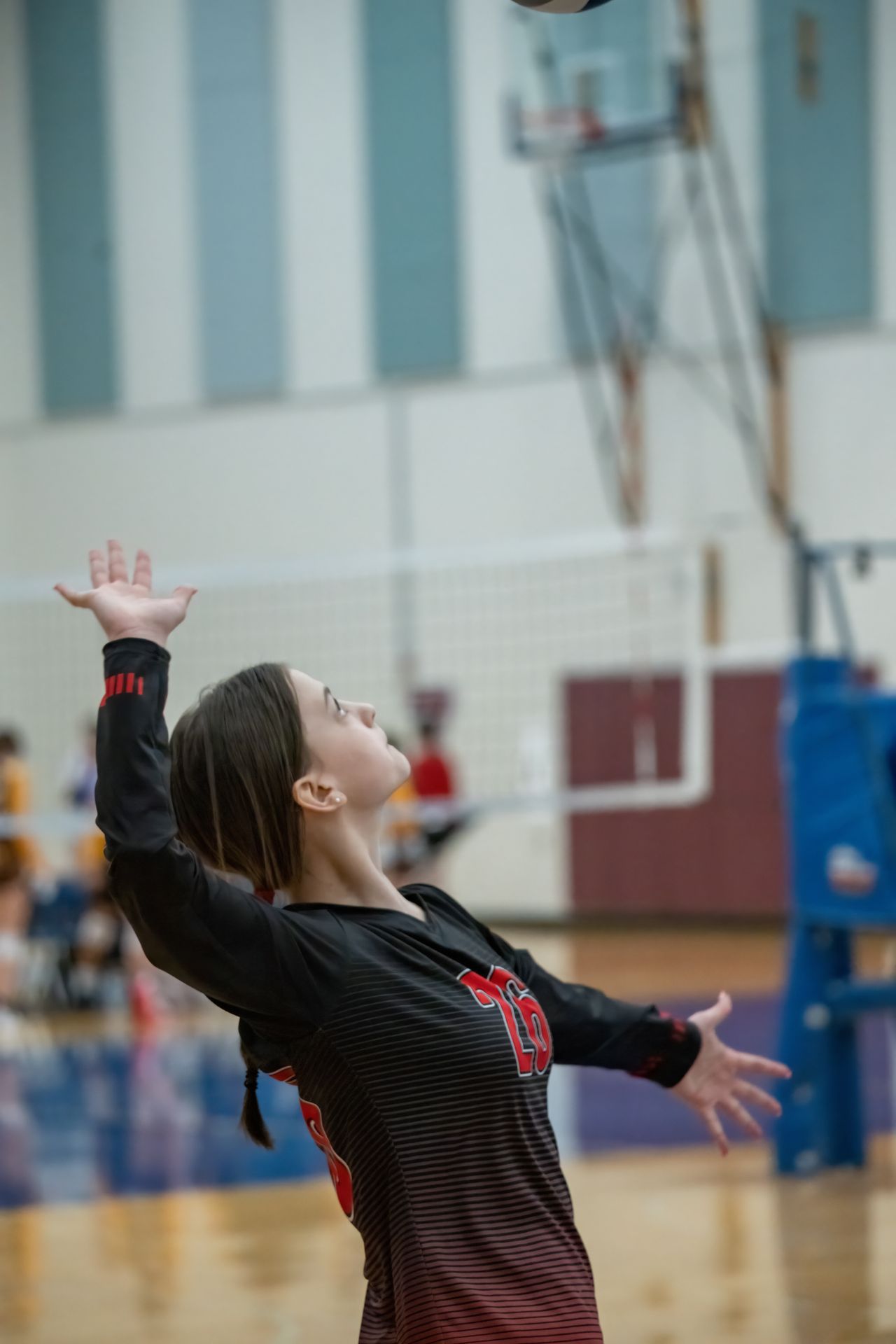
Player development in Albania depends heavily on the relationship between schools and clubs. Schools introduce volleyball as a team sport built on coordination, timing, communication, and court awareness. Clubs then determine whether promising players receive enough repetitions, coaching, and match pressure to keep improving. The technical leap from casual school volleyball to competitive club volleyball is significant. Players must learn serve receive patterns, defensive zones, setter-hitter timing, middle-blocker footwork, and how to manage points under pressure.
Albania also benefits from geography. Being located in the Balkans places Albanian volleyball near countries with strong playing traditions. That proximity can create opportunities for regional tournaments, coaching exchanges, player movement, and competitive comparison. Even when Albania is not favored against stronger neighbors, those matches are useful. They show the difference between basic organization and high-level execution.
Beach volleyball can still play a supporting role. Albania’s coastline gives the country natural outdoor potential, especially in summer recreation and tourism areas. However, for beach volleyball to become more than seasonal participation, it needs dedicated courts, tournaments, coaching, and pairs who train specifically for the two-player game. Indoor volleyball remains the foundation.
Where Albanian Volleyball Can Grow
Albania’s volleyball future is tied to stronger youth development and better competitive continuity. The country does not need to copy larger European systems exactly, but it does need clear pathways for athletes who start in school, move into clubs, and continue into senior competition. Coaching education, facility access, and regular match play are central.
The most realistic growth area is not sudden dominance in Europe. It is building a more durable national volleyball culture: better junior programs, stronger women’s and men’s club competition, more regional exposure, and a clearer identity for Albanian volleyball within the Balkans. Albania has enough volleyball tradition to be taken seriously. The next step is turning that tradition into a deeper, more consistent development system.