Comoros volleyball is shaped by the country’s island setting, its place in the Indian Ocean sports community, and its membership in CAVB Zone VII. Unlike larger African volleyball nations, Comoros is not defined by professional leagues, major international podiums, or a deep national-team history. Its volleyball identity is more regional and developmental: club competition, beach volleyball, island-to-island rivalry, and the challenge of building consistent structures across a small population spread over multiple islands.
That does not make the sport insignificant. In Comoros, volleyball fits naturally into a regional sports ecosystem that includes Madagascar, Mauritius, Seychelles, Réunion, and Mayotte. The country’s most meaningful competitive opportunities often come through Zone VII events, where the scale is realistic and the rivalries are geographically coherent. FIVB lists Comoros as part of CAVB Zone VII along with Madagascar, Mauritius, and Seychelles, with the zone providing a formal competitive home for the Indian Ocean volleyball scene.
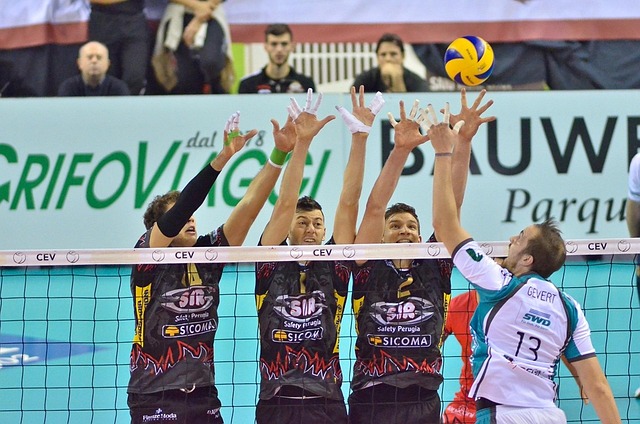
Indoor volleyball in Comoros is club-centered and regional in outlook. The country’s clubs compete in an environment where travel, funding, gym access, and player depth can all affect consistency. Zone VII club championships are important because they give Comorian teams a benchmark beyond domestic competition. Playing against clubs from Mauritius, Seychelles, Madagascar, and nearby island territories exposes teams to different systems, stronger attackers, better blockers, and more organized defensive structures.
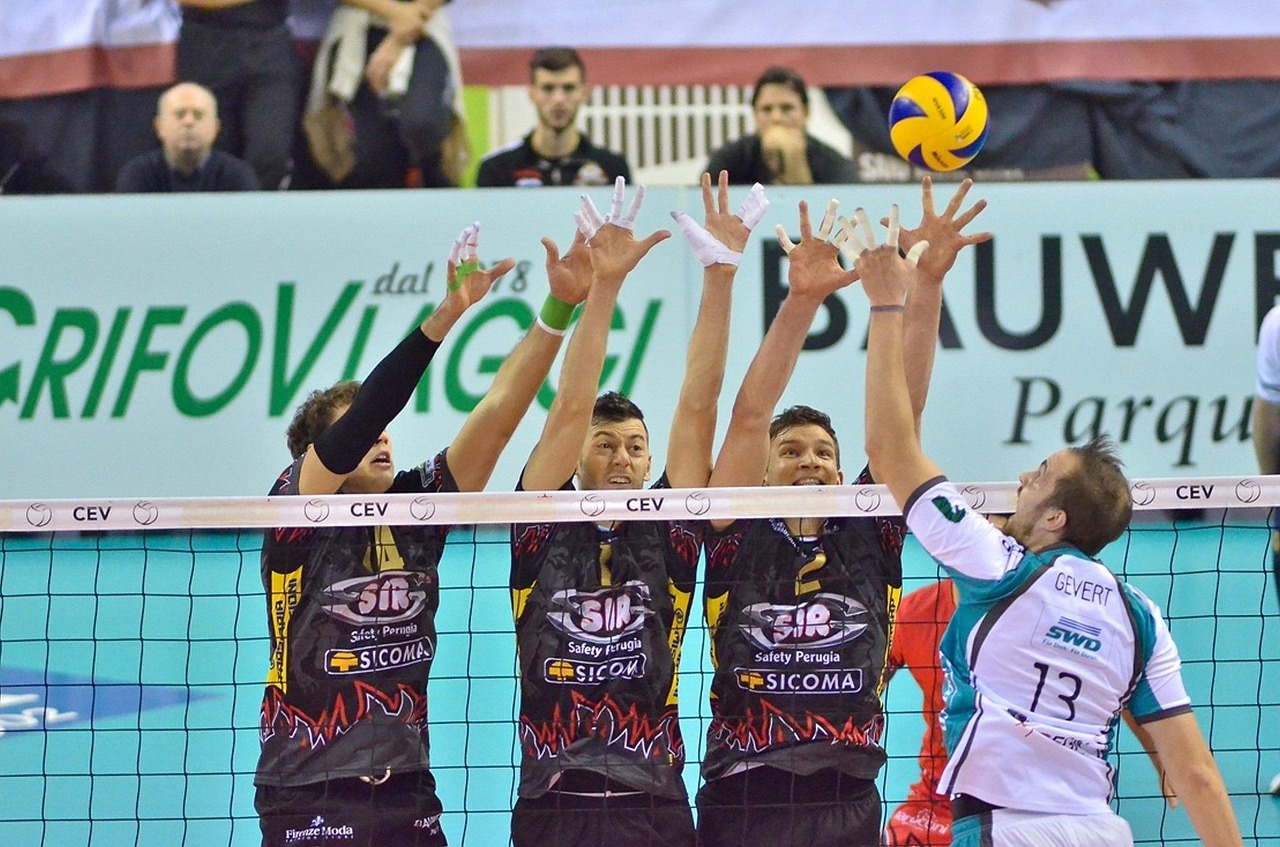
That regional club pathway is especially important for countries without large professional volleyball markets. A player in Comoros needs meaningful matches to improve. Domestic training can build technique, but regional competition tests decision-making: how a setter handles a poor pass, how an outside hitter scores against a formed block, how a libero reads tips and off-speed shots, how a team responds after losing a tight set. Those match situations are where a developing volleyball culture becomes more serious.
Beach volleyball may be Comoros’ most natural growth lane. Like Cape Verde, the country has geography that suits outdoor volleyball, but Comoros operates in a different regional context. The Indian Ocean beach volleyball scene has become more organized through CAVB Zone VII events, and Comoros has had direct involvement as both a participant and host. The CAVB Zone 7 Beach Volleyball Tour held an event in Moroni from October 31 to November 1, with Comorian pair Mohamed Boukhary and Ahmed Satoul reaching the men’s final and winning silver.
That result matters because it gives Comoros a tangible beach volleyball reference point. A silver medal in a regional tour event does not make the country a continental power, but it does show that Comorian athletes can compete seriously in the Indian Ocean field. For smaller countries, that is often how volleyball progress begins: not with a sudden leap to global competition, but with regional medals, better event hosting, and more young players seeing a pathway.
Comoros also benefits from being part of a zone where volleyball events are frequent enough to create continuity. The Zone VII calendar includes club and beach competitions, and regional reporting has highlighted championships involving Comoros, Madagascar, Mauritius, and Seychelles. Those events help keep the sport visible and give clubs and pairs something concrete to prepare for.
The country’s biggest challenge is scale. Comoros needs more players, more trained coaches, more facilities, and more regular competition. Small volleyball countries often produce athletic players, but the sport’s technical demands require repetition. Serve receive, setting accuracy, block timing, and transition discipline do not develop casually. They require a system.
The future of volleyball in Comoros is likely to be hybrid. Indoor volleyball will remain important through clubs, schools, and Zone VII championships. Beach volleyball may offer the country its clearest chance to stand out regionally because the format suits the island environment and requires smaller elite groups. If Comoros can connect school participation, club training, beach events, and regional competition into one development pathway, it can become a more consistent volleyball presence in the Indian Ocean.