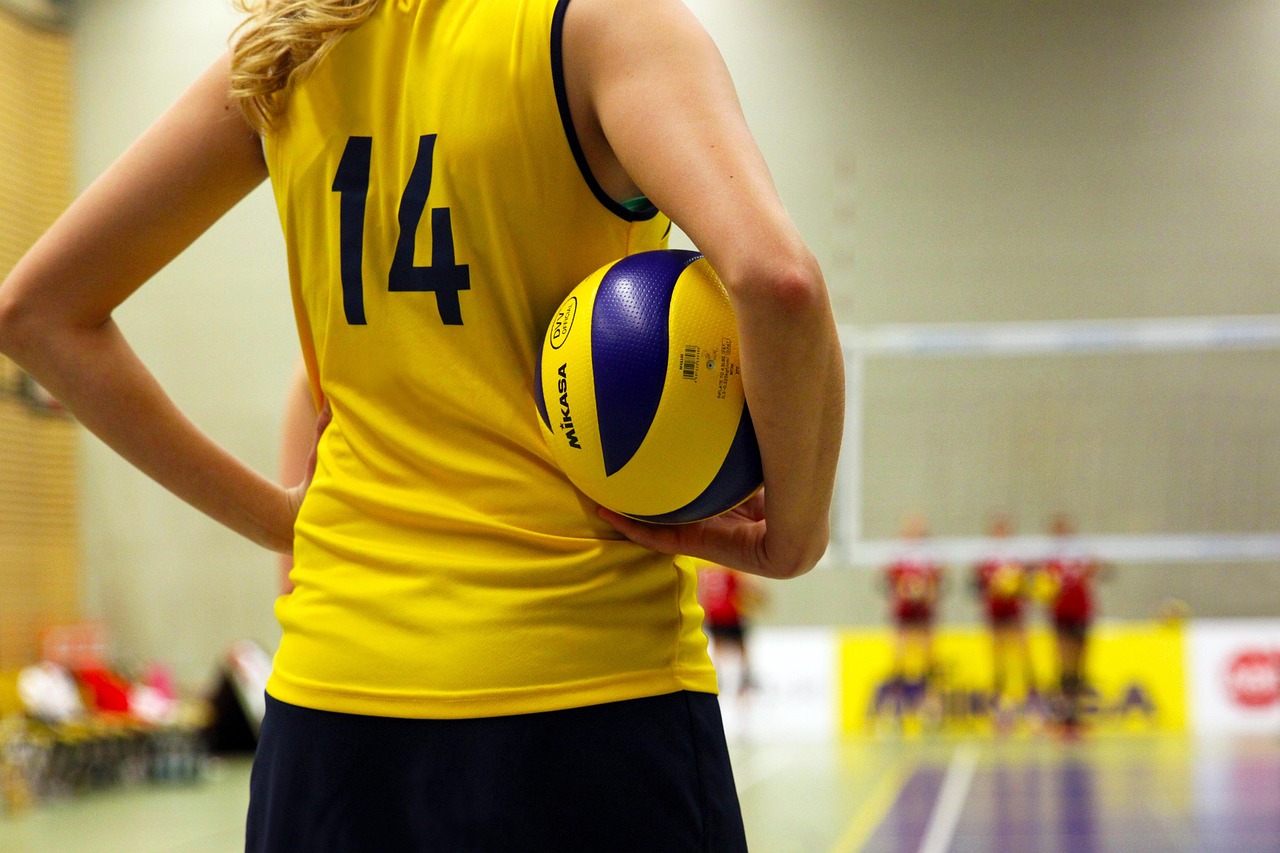
Serve receive as volleyball’s hidden battle explains why the first contact after the serve often decides the entire point before the attack even begins. Fans tend to notice the final swing, the block, or the dramatic dig, but elite volleyball is built on whether a team can pass well enough to stay in system. A clean reception gives the setter every option: quick middle attack, outside swing, opposite attack, back-row threat, or a deceptive set. A poor pass shrinks the offense, makes the setter predictable, and lets the defense organize early. Serve receive matters because it is the quiet skill that turns volleyball from reaction into control.
Before the Attack, the Pass Decides the Point
Every volleyball rally begins with a serve, but the serving team is not only trying to score an ace. More often, the goal is to damage the opponent’s first touch. A tough serve can push the passer off balance, force the ball away from the setter, or make the offense rely on a high outside set that blockers can read.
That is why serve receive sits at the center of the sport’s tactical structure. The receiving team wants to pass the ball close enough to the setter that the offense remains balanced. When that happens, the middle blocker must respect the quick attack, the outside hitters cannot be loaded up on too early, and the defense has to wait before committing.
When the pass breaks down, the entire rhythm changes. The setter may have to chase the ball toward the sideline or backcourt. The middle attack may disappear. The offense can become slower and more obvious. At high levels, that small disruption is enough to turn a promising possession into a controlled defensive situation for the serving team.
How Serve Receive as Volleyball’s Hidden Battle Controls Tempo
Serve receive as volleyball’s hidden battle is really a fight over tempo. A perfect pass does more than keep the ball alive. It lets the setter run the offense at full speed.
With a strong pass, the setter can use the middle early, run a fast ball to the pins, or hold blockers long enough to create one-on-one matchups. The best offenses do not simply overpower opponents; they make blockers hesitate. That hesitation begins with the pass.
A weaker pass removes those layers. If the ball drifts too far off the net, the setter may lose the quick middle option. If the pass carries too tight, the setter may have to avoid an overpass or fight a ball near the tape. If the ball goes too wide, the offense may become predictable. The defense can then release earlier, close blocks more cleanly, and position back-row defenders with greater confidence.
This is also why serve receive places so much pressure on passers. They are not just receiving the ball. They are protecting the entire offense. A strong passer gives the setter a full playbook. A struggling passer forces the team into survival mode.
Why Great Teams Treat the First Touch Like a Weapon
The best volleyball teams do not treat serve receive as a defensive chore. They treat it as the first stage of the attack.
Strong serve-receive teams can absorb pressure without losing their offensive identity. They can face jump serves, float serves, short serves, deep serves, and targeted serving runs while still giving the setter usable balls. That consistency creates confidence across the whole lineup. Hitters know the offense will reach them in rhythm. Setters know they can disguise choices. Coaches can keep more aggressive systems on the floor.
Serve receive also shapes substitutions and lineup decisions. A powerful attacker who struggles to pass may be targeted until the offense breaks down. A steady passer may become essential even without being the most explosive hitter. In that sense, serve receive changes how teams build rosters, design rotations, and manage pressure late in sets.
The skill is especially visible in close matches. When two teams are evenly matched physically, the difference often comes from who can pass under pressure. A clean reception at 23–23 can create the swing that decides a set. A shaky one can hand the opponent a free chance to finish.
Serve receive rarely gets the same attention as a major block or a match-ending kill, but it is one of volleyball’s most important battles. The first touch decides whether a team can run its offense or spend the rally recovering from pressure. In elite volleyball, control starts before the setter ever touches the ball.