El Salvador’s volleyball identity is built around Central American competition, federation activity, and a beach volleyball scene that gives the country regional visibility beyond what its indoor results alone might suggest. It is not a volleyball power in the global sense, and it does not have the scale of the leading NORCECA countries. But it does have an organized place in the Central American volleyball map, with San Salvador serving as an important venue for indoor and beach events.
The country’s volleyball structure is led by the Federación Salvadoreña de Voleibol, which is listed among NORCECA’s affiliated federations. That regional affiliation places El Salvador within one of the sport’s most diverse confederations, spanning North America, Central America, and the Caribbean. For El Salvador, the key competitive frame is not the Olympic medal race; it is the ability to build stronger teams inside Central America and use NORCECA events to sharpen its level.
Beach volleyball is one of El Salvador’s strongest volleyball calling cards. San Salvador and Costa del Sol have hosted important regional beach volleyball competitions, including events connected to the Central American and Caribbean Games and NORCECA beach volleyball activity. The presence of these events matters because hosting creates more than a temporary spotlight. It builds event-management experience, gives local players exposure to international standards, and helps position the country as a serious beach volleyball stop within the region.
The country’s beach volleyball pathway also has youth value. NORCECA coverage has pointed to El Salvador hosting Central American U17 and U19 beach volleyball championships, which is the kind of development layer smaller volleyball countries need. Youth beach events can accelerate skill growth because players must handle every phase of the rally. There is no hiding a weak passer in beach volleyball, and no specialist setter who never has to attack. For Salvadoran athletes, that format can produce tougher, more complete players.
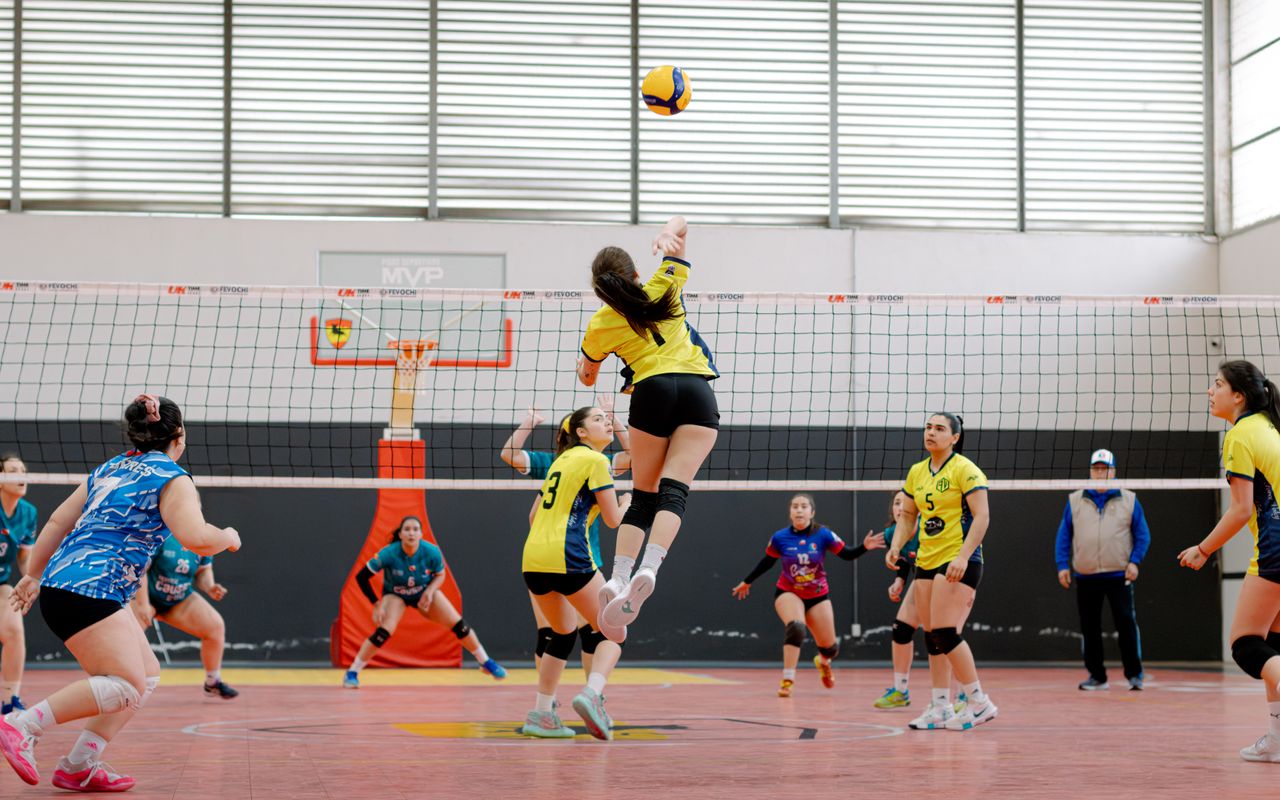
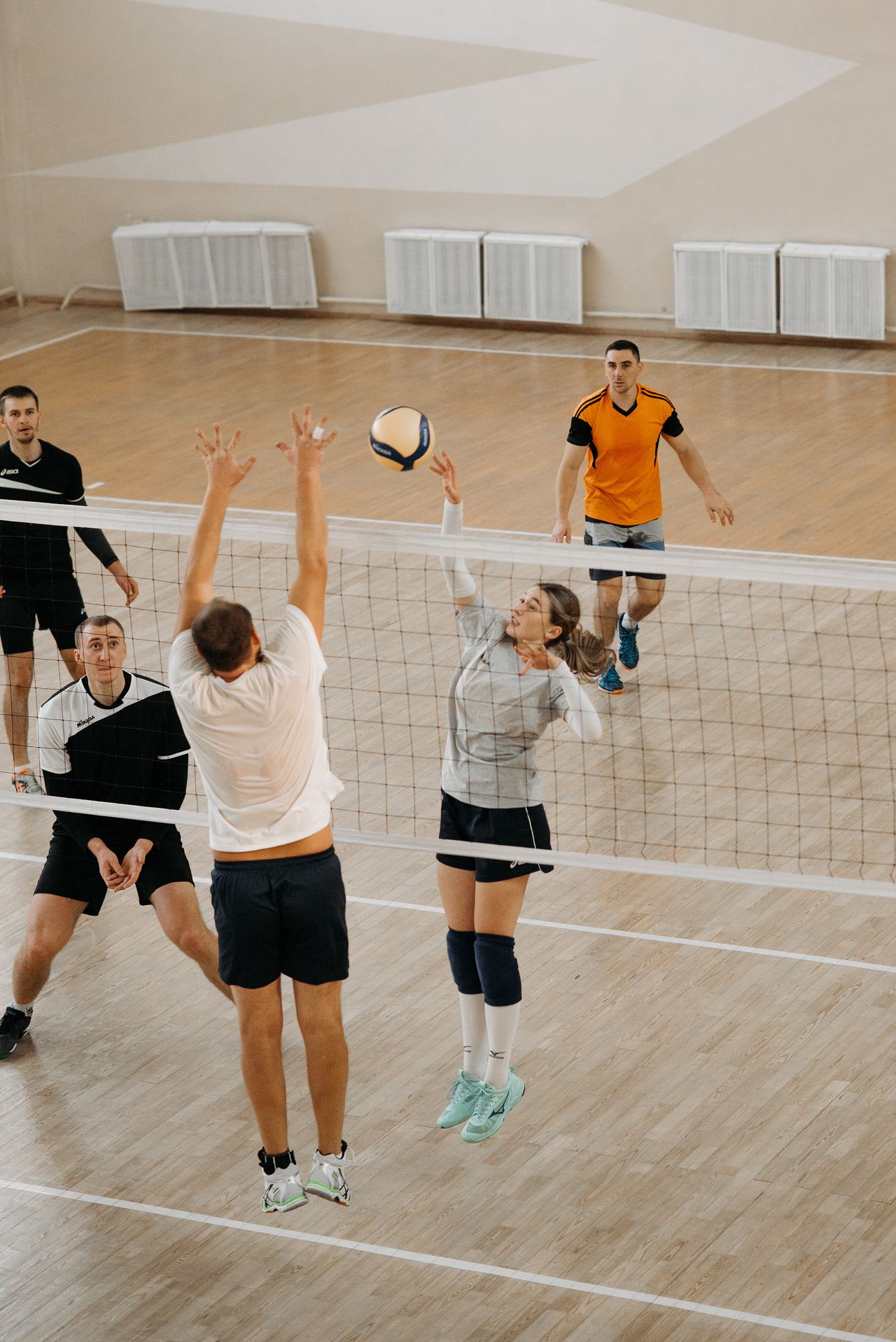
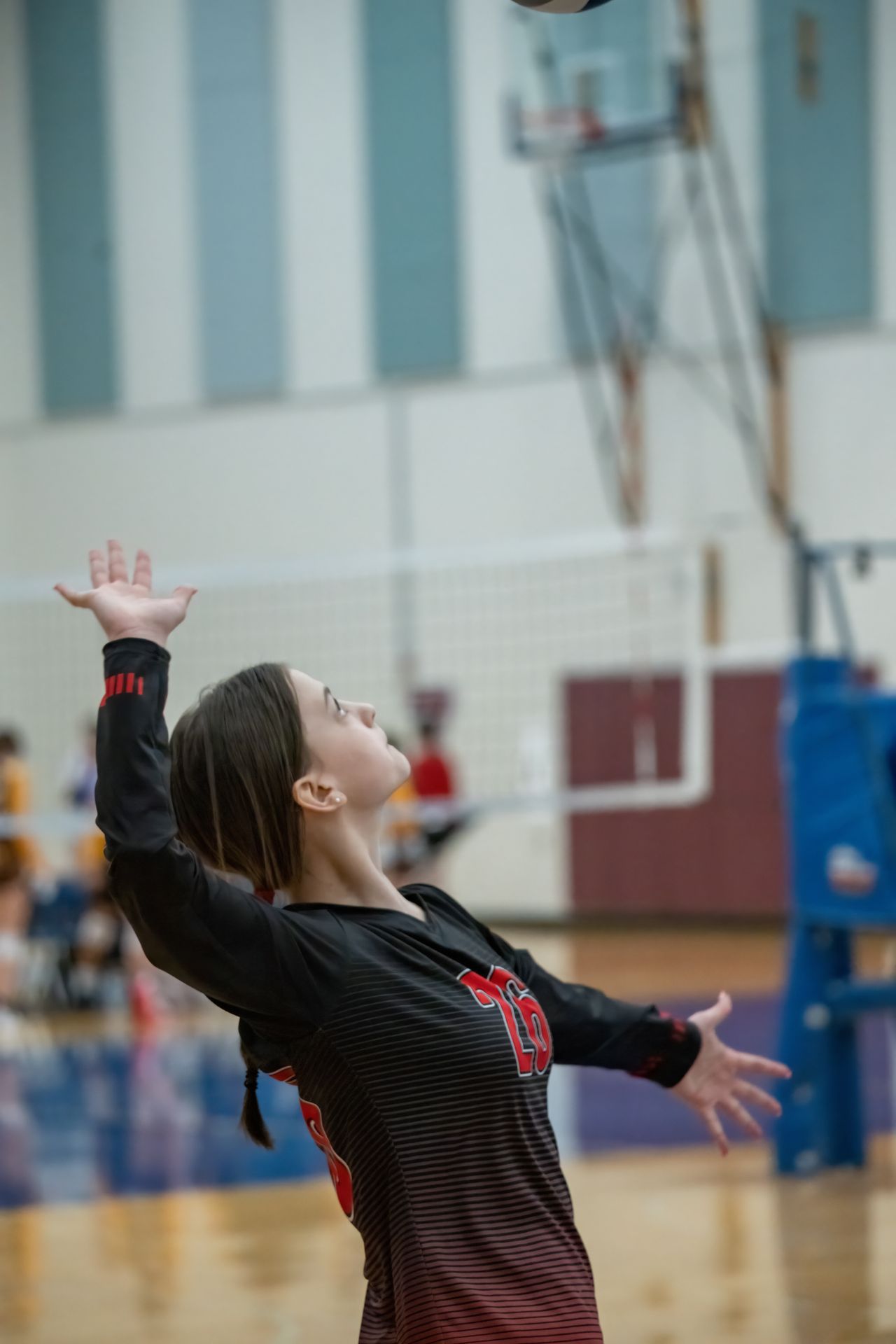
Indoor volleyball in El Salvador has a more regional profile. The men’s and women’s teams compete in Central American settings, where the margins are often shaped by serve pressure, reception stability, and physical consistency at the pins. In smaller volleyball countries, indoor progress usually depends on whether clubs and schools can create enough match volume for players before they reach senior national-team age. A good outside hitter or libero cannot be built only through occasional tournaments. They need repeated pressure: tough serving, broken plays, long rallies, and the habit of making decisions in system and out of system.
San Salvador is central to the country’s volleyball life because it concentrates facilities, federation activity, and event hosting. That gives the capital a disproportionate role in player development. The risk for a country like El Salvador is that volleyball remains too centralized, with talented athletes outside the main urban system receiving fewer opportunities. The growth opportunity is to use the visibility of beach events and youth championships to widen participation across schools, clubs, and departments.
El Salvador’s future in volleyball is most promising if it continues building from the beach inward. Beach volleyball gives the country a clear regional identity, a hosting platform, and a development format that rewards technical all-around players. Indoor volleyball can benefit from that if athletes carry better touch, reading, and competitiveness back into the six-player game. The country’s volleyball ceiling will depend on coaching depth, youth competition, women’s participation, and how consistently it can turn event hosting into athlete development.