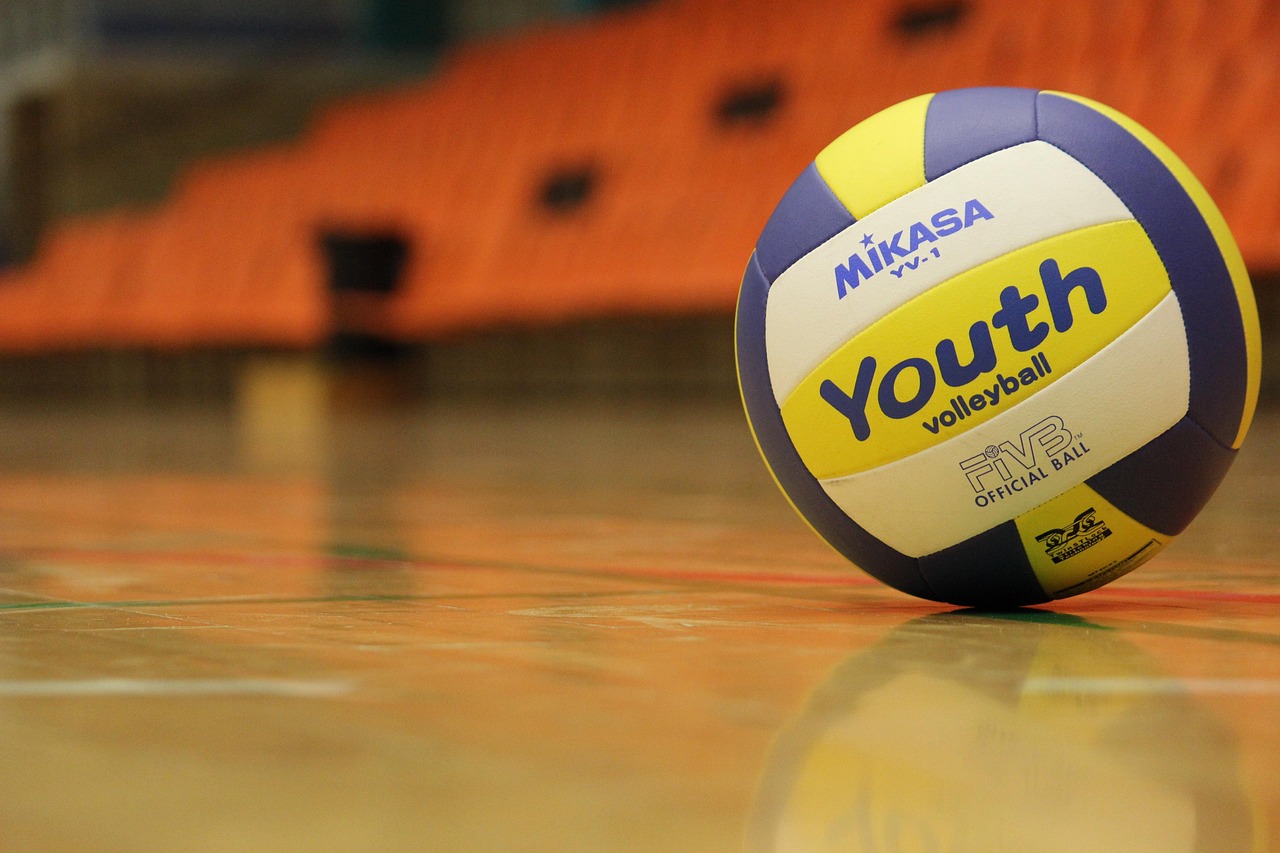
San Antonio’s volleyball identity is built around schools, clubs, recreation, and a growing urban sports culture rather than a single dominant professional or beach volleyball image. It is a large Texas market where volleyball is woven into the local athletic calendar through high school gyms, college programs, youth clubs, adult leagues, military community participation, and year-round indoor training. The city is not usually discussed in the same breath as Southern California beach volleyball or the largest NCAA volleyball hotbeds, but it has the ingredients of a serious participation market.
What gives San Antonio its volleyball character is the combination of scale and accessibility. It is a major city with a large youth population, a strong school-sports culture, and a climate that supports both indoor and outdoor activity for much of the year. Volleyball here is not one narrow thing. It is competitive for serious junior athletes, social for adults, developmental for schools, and increasingly visible as women’s volleyball grows across the United States.
A Texas Volleyball City With Local Depth
Texas is one of the strongest volleyball states in the country, and San Antonio benefits from being part of that larger ecosystem. The state has deep high school participation, major club circuits, strong college programs, and a culture that takes girls’ athletics seriously. San Antonio fits into that structure as a large, growing market with its own identity.
The city’s volleyball base starts with schools. High school volleyball is one of the most important competitive stages in the area, especially for girls. School teams give players their first taste of organized rotations, pressure serving, defensive systems, and rivalry matches. In Texas, high school volleyball can carry real local meaning, and San Antonio’s programs are part of that broader statewide intensity.
Club volleyball then adds the next layer. Serious players often use club seasons to get more technical training, stronger competition, and exposure beyond their school districts. That means more reps in serve receive, more position-specific instruction, more tournament experience, and more chances to be evaluated against athletes from other regions.
College Programs and the Local Standard
San Antonio’s college volleyball scene adds important structure to the city’s identity. UTSA gives the city an NCAA Division I presence, while institutions such as Incarnate Word, Trinity, St. Mary’s, Our Lady of the Lake, and others contribute to the broader college volleyball environment. These programs matter because they keep competitive volleyball visible after high school.
The value of college volleyball in San Antonio is partly aspirational. Young players can watch athletes who have moved beyond the school and club level into more advanced competition. They can see the speed of the game increase: faster sets, more disciplined blocking, better defensive positioning, more aggressive serving, and more physical play at the pins.
The local college scene also helps coaching. College players and former players often become coaches, trainers, officials, or mentors. That recycling of volleyball knowledge strengthens the area’s developmental base. The more experienced volleyball people stay connected to the sport, the more sophisticated the local scene becomes.
San Antonio may not be defined by one national-title volleyball program, but it has a layered college environment that supports the sport’s continuity. It gives the city a ladder, and ladders matter in volleyball.
The Club and Recruiting Pathway
For ambitious athletes, San Antonio volleyball often becomes a club-centered journey. The club season gives players access to higher-volume training and tournament play outside the school calendar. It is where many athletes learn the finer details of the sport: how to read a setter’s hands, how to press over the net as a blocker, how to cover a hitter, how to serve strategically instead of simply serving hard, and how to transition quickly from defense to offense.
This structure is especially important in a state as competitive as Texas. A strong San Antonio player is not only competing against local opponents. She may also be measured against athletes from Austin, Dallas-Fort Worth, Houston, and other volleyball-rich markets. That raises the standard. The regional competition forces players to become more complete.
San Antonio’s size helps support this ecosystem. A larger population means more athletes, more families willing to travel, more gyms, more private training, and more age-group teams. The result is a volleyball scene that can serve different tiers of players: beginners, school-level athletes, serious club players, college prospects, and adults who return to the game socially.
Adult Volleyball and the City’s Recreational Energy
San Antonio has a significant adult volleyball layer. The city’s recreational sports culture, military presence, young-professional population, and warm climate all help volleyball remain active beyond school and club competition. Adult indoor leagues, sand volleyball, grass events, open gyms, and social sports formats give the sport a second life for players who are no longer in formal programs.
This is one of San Antonio’s strengths. Volleyball can be highly competitive, but it can also be flexible. It works in gyms, parks, bars with sand courts, community centers, church leagues, and recreational complexes. That makes it a strong fit for a city with a broad participation base and a social sports scene.
The adult game also helps sustain the volleyball community. Former high school and college players do not have to disappear from the sport. They can keep playing, coach younger athletes, officiate, or simply remain part of the local volleyball network. That continuity matters in markets that are still building stronger volleyball identities.
Outdoor Volleyball in a Warm-Weather Market
San Antonio is not a beach volleyball city, but outdoor volleyball still has a place in its identity. The climate allows sand and grass volleyball to function for much of the year, especially compared with colder regions where outdoor play is confined to a short summer window.
Sand volleyball in San Antonio is more recreational and social than nationally defining, but it can still improve the area’s volleyball culture. Beach and sand formats require all-around skill. Players must pass, set, hit, defend, and communicate constantly. For indoor athletes, that kind of training can improve ball control, movement, and court awareness.
Grass volleyball also fits the city well. Parks and open spaces can support casual play, tournaments, and community events. This gives San Antonio a broader volleyball footprint than a strictly indoor-only market.
A City Positioned for Growth
San Antonio volleyball is positioned well for the future because it sits inside several favorable trends. Women’s volleyball is growing nationally. Texas remains a major youth-sports state. The city’s population continues to support school and club athletics. Adult recreation keeps expanding. Boys’ volleyball also has room to grow as more families and schools recognize the sport’s athletic value.
The next step for San Antonio is deeper visibility. The city has participation, colleges, clubs, schools, and recreational energy. What it needs over time is more recognition as a serious volleyball market in its own right, not only as part of Texas volleyball generally. That can happen through stronger club results, more college-bound athletes, expanded boys’ opportunities, bigger tournaments, and more consistent attention to local programs.
San Antonio’s volleyball identity is not flashy, but it is durable. It is a school-and-club market with a strong recreational foundation, a warm-weather outdoor layer, and a college presence that keeps the sport visible. In a state where volleyball already matters, San Antonio has the size and structure to keep growing into a more defined volleyball city.