Botswana has one of the more credible volleyball identities in Southern Africa. It is not a global volleyball power, but within its regional context, the sport has meaningful organization, club activity, national-team participation, and a reputation for taking volleyball seriously. Botswana’s volleyball scene is built around indoor competition, federation structure, and the steady development of players through clubs and national programs.
The Botswana Volleyball Federation has been a central part of that identity. Organized volleyball in Botswana benefits from a clear administrative structure and a club-based environment that gives players more than occasional recreational matches. In a country where football and athletics often attract broader attention, volleyball has carved out a recognizable competitive lane. The sport’s appeal comes partly from its accessibility, but Botswana’s stronger volleyball identity comes from the fact that it has treated the game as a structured competitive sport rather than only a casual activity.
Indoor volleyball is the main story. Botswana’s volleyball culture is tied to gyms, clubs, school development, and national competitions. The country has produced teams capable of competing in the Southern African region, where match experience against neighboring countries is essential. Regional competition matters because it gives Botswana a realistic arena for progress. Rather than measuring itself only against global powers, Botswana can build standards through zonal and continental events, then use those experiences to raise domestic expectations.
The player pathway in Botswana depends on the relationship between schools, clubs, coaching, and federation programs. Volleyball rewards athletes who receive regular technical instruction, and that is where organized systems matter. Stronger serving, cleaner first contact, faster setting decisions, disciplined blocking, and better transition offense do not appear by accident. They come from repetition and match pressure. Botswana’s advantage over some smaller volleyball countries is that it has enough club structure to make that kind of development possible.
Women’s volleyball is also important to the country’s profile. Across Africa, women’s volleyball has often provided countries with a meaningful competitive platform, and Botswana’s continued investment in both men’s and women’s programs gives the sport a broader base. A healthy volleyball culture needs more than one senior team; it needs youth development, coaching education, and visible competition that keeps players engaged through school years and into adult competition.
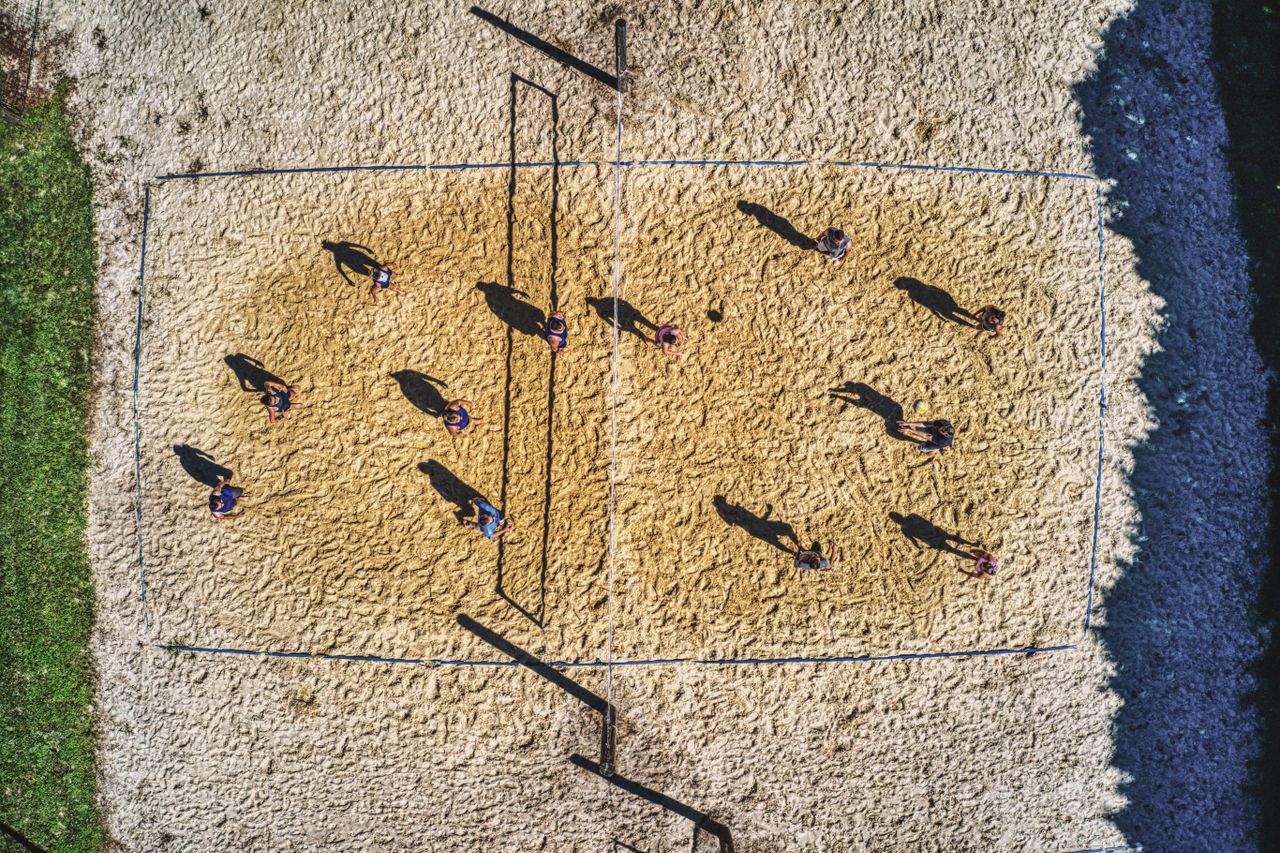
Beach volleyball is part of Botswana’s wider volleyball picture, especially through regional youth and continental events, but the country’s core identity remains indoor. As a landlocked country, Botswana does not have the natural beach-volleyball culture of coastal nations. Still, beach volleyball can be useful as a development discipline because it sharpens ball control, serving, defensive reading, and all-around skill. For smaller programs, beach volleyball can also offer a more manageable international pathway because it requires fewer athletes than the indoor game.
Botswana’s volleyball future rests on deepening what already exists. More youth competitions, stronger coaching pipelines, better facilities, and sustained club activity would help the country remain one of the region’s more serious volleyball programs. Its identity is not built on global fame, but on organization and regional competitiveness. That gives Botswana a real foundation — and in African volleyball, that foundation matters.