Lesotho’s volleyball identity is that of an emerging Southern African country trying to convert participation and regional exposure into a more serious competitive structure. It is a small, landlocked mountain kingdom surrounded by South Africa, which shapes its sporting geography and its competitive opportunities. Volleyball in Lesotho does not have the profile of football, athletics, or the region’s larger team sports, but recent indoor and beach appearances have given the country a clearer place in African volleyball.
A Small Country in a Difficult African Volleyball Landscape
Lesotho competes in a continental environment where the top of African volleyball is demanding. On the women’s side, Kenya, Egypt, Cameroon, Rwanda, and other established programs have deeper competitive histories, stronger national-team structures, and more experience in major tournaments. For Lesotho, the first stage of progress is exposure: getting teams into higher-level competitions, learning the speed and physicality of African championship volleyball, and bringing those lessons back into domestic development.
That process became visible when Lesotho appeared as one of the debuting countries at the CAVB African Nations Championship in Yaounde. Lesotho was placed in a difficult pool with Kenya, Morocco, Rwanda, Uganda, and Burkina Faso. The team missed the quarterfinals and finished at the bottom of the group, but the tournament gave Lesotho valuable experience against a much higher level of volleyball.
For an emerging program, that kind of result should be understood correctly. It is not evidence of failure as much as evidence of the gap. Continental tournaments reveal what a national team needs: stronger serve receive, faster defensive transitions, more physical blocking, and attackers who can score against organized systems.
Beach Volleyball as a Real Opportunity
Lesotho’s most promising recent volleyball signal has come in beach volleyball. The country does not have an ocean coastline, but beach volleyball in Africa is not limited only to coastal nations. Sand courts can be developed inland, and the two-player format gives smaller federations a realistic way to create competitive results with fewer elite athletes.
Lesotho’s women’s pair Moroesi Tolofi and Neo Chapole won gold at a CAVB Zone VI Beach Volleyball Tour event, beating South African opposition in the semifinal and completing a strong tournament run. That result gives Lesotho a meaningful volleyball achievement and a potential model for growth. It suggests that, while the indoor national team may need years to close the gap with Africa’s strongest programs, beach volleyball could offer faster regional competitiveness.
Zone VI competition is especially useful because it puts Lesotho into a Southern African volleyball network with countries such as South Africa, Botswana, Eswatini, Namibia, and Zambia. Regular regional events help players gain match experience without the cost and difficulty of always chasing full continental tournaments.
Building the Indoor Game
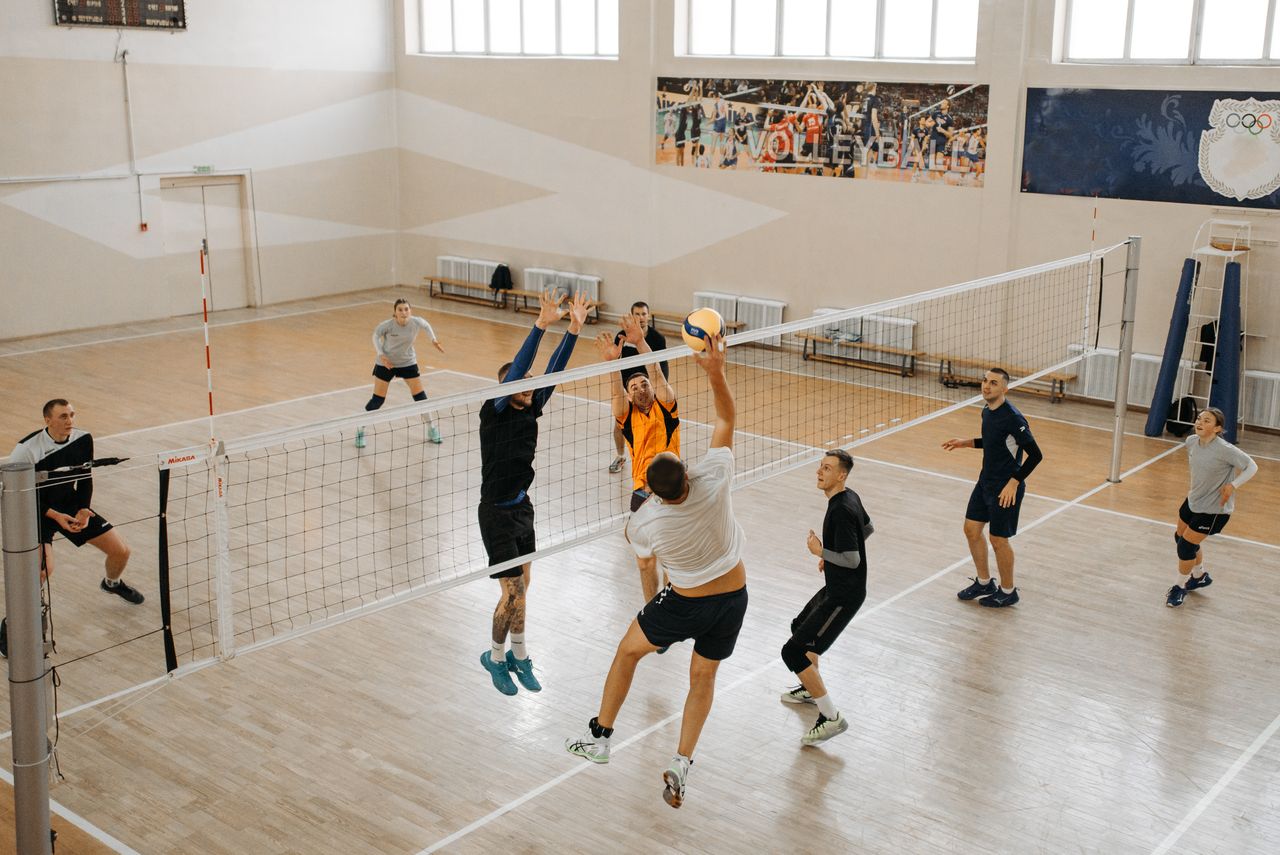
Indoor volleyball in Lesotho needs structure above all. The country’s player pool is smaller, and facilities, coaching resources, and competition frequency can limit development. Still, indoor volleyball remains important because it is the broadest base of the sport. Schools, community programs, clubs, and national federation activity all matter if Lesotho wants a stronger pipeline.
The technical priorities are clear. Lesotho needs more players who can pass under pressure, setters who can locate the ball consistently, middle blockers who can read faster offenses, and outside hitters who can manage imperfect sets. At the national-team level, the difference between competing and simply surviving often comes down to first contact and defensive organization.
The Direction of Volleyball in Lesotho
Lesotho’s volleyball future should be built around two tracks. Indoor volleyball needs patience, youth development, and more consistent domestic competition. Beach volleyball deserves immediate attention because recent results show that Lesotho can already win regionally in that format.
The country is still an emerging volleyball nation, but it has moved beyond having no competitive identity at all. A continental indoor debut and a regional beach gold medal give Lesotho something to build around. The next step is turning those moments into a system that produces more players, more coaches, and more regular competition.