Zambia’s volleyball identity is that of a Southern African competitor with a growing regional profile, especially through Zone VI competition. The country is not yet one of Africa’s most dominant volleyball nations, but it has built a recognizable place in the sport through national-team participation, domestic league activity, women’s volleyball progress, and regional events that keep Zambian teams connected to neighboring volleyball programs. Volleyball in Zambia is not simply recreational. It has a competitive structure, a national association presence, and a regional pathway that gives the sport room to grow.
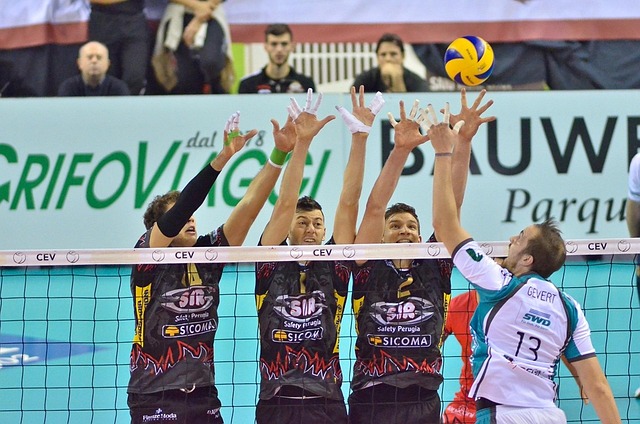
Indoor volleyball is the core of the Zambian game. The country’s volleyball structure is shaped by the Zambia Volleyball Association, domestic competition, school and community participation, and national teams that compete in African and Zone VI settings. In Southern Africa, the regional context matters. Zambia’s volleyball development is closely tied to matchups with countries such as Zimbabwe, Namibia, Botswana, Lesotho, Eswatini, Angola, Mozambique, and South Africa. These competitions provide the regular pressure that developing volleyball nations need. They expose teams to different tempos, stronger blocking systems, more disciplined serve receive, and the tactical demands of tournament volleyball.
The women’s game has become an especially important part of Zambia’s volleyball profile. Regional success gives the country a stronger competitive identity and creates visibility for girls and young women entering the sport. When a national women’s team performs well in Zone VI competition, it does more than add a result to the record. It gives local players a clearer pathway to aspire toward. It strengthens the link between junior volleyball, domestic clubs, and national-team selection. It also helps build credibility for coaches and organizers trying to expand the sport beyond small circles of committed players.
Zambia’s domestic volleyball infrastructure is essential to that progress. A national league gives players the match rhythm that training alone cannot provide. Volleyball is a sport of timing, systems, and pressure decisions. Teams need repeated competition to sharpen setter-hitter connections, defensive positioning, transition offense, and blocking discipline. For Zambia, league play also helps identify talent outside the national-team core. A strong domestic structure allows late-developing players, school standouts, and club athletes to move into higher competition without relying only on isolated trials or short national camps.
Beach volleyball gives Zambia another development channel, even though the country’s primary identity remains indoor. In Southern Africa, beach volleyball has become part of regional competition through Zone VI events, and Zambia’s involvement in that ecosystem matters. Beach volleyball can help Zambian athletes develop ball control, conditioning, communication, and tactical independence. Because players touch the ball more often in the two-person format, the beach game can accelerate skill development for athletes who later return to indoor volleyball. It also gives the country another route into continental competition.
The next stage for Zambia is consistency. Regional breakthroughs are valuable, but long-term growth depends on turning strong tournament performances into a wider volleyball system. That means more stable league structures, broader youth participation, improved coaching education, and stronger links between schools, clubs, and national teams. Zambia has the advantage of a clear regional competitive environment. It does not have to build in isolation; it can measure itself against Southern African neighbors year after year.
Zambia volleyball is moving from participation toward a more defined competitive identity. Its strongest future may come from women’s volleyball, domestic league growth, and continued Zone VI relevance. With better infrastructure and more frequent high-level matches, Zambia can become a more consistent African volleyball presence and a stronger producer of trained indoor players.