Belarus occupies a specific place in European volleyball: not a continental superpower, but a serious indoor volleyball country with size, structure, and a history of showing up in CEV competition often enough to be respected. Its volleyball identity is built around the indoor game, especially the connection between school sport, club development, and national-team competition. Beach volleyball exists on the margins, but Belarusian volleyball is not defined by sand, tourism, or outdoor culture. It is a gym sport, shaped by height, systems, coaching, and the disciplined sporting tradition inherited from the broader Eastern European model.
The country’s volleyball story is closely tied to Minsk and the institutional structure of Belarusian sport. Like many post-Soviet volleyball nations, Belarus developed around centralized training, club systems, and a national federation that connects domestic competition to the European volleyball calendar. The Belarus men’s team appeared repeatedly in CEV competition, including EuroVolley and European League events across the 2000s, 2010s, and into the early 2020s, while the women’s team followed a similar path through European Championship qualification, European League play, and World Championship qualification cycles.
That profile matters because Belarusian volleyball has usually been measured against a difficult neighborhood. In Europe, there are few soft paths. Belarus has had to compete in the same continental structure as Poland, Russia, Serbia, Italy, Turkey, Bulgaria, Germany, the Netherlands, and other volleyball-heavy countries. That has shaped the way Belarus is viewed: capable, physical, technically trained, and periodically dangerous, but usually trying to break through a ceiling created by deeper professional leagues and larger volleyball cultures nearby.
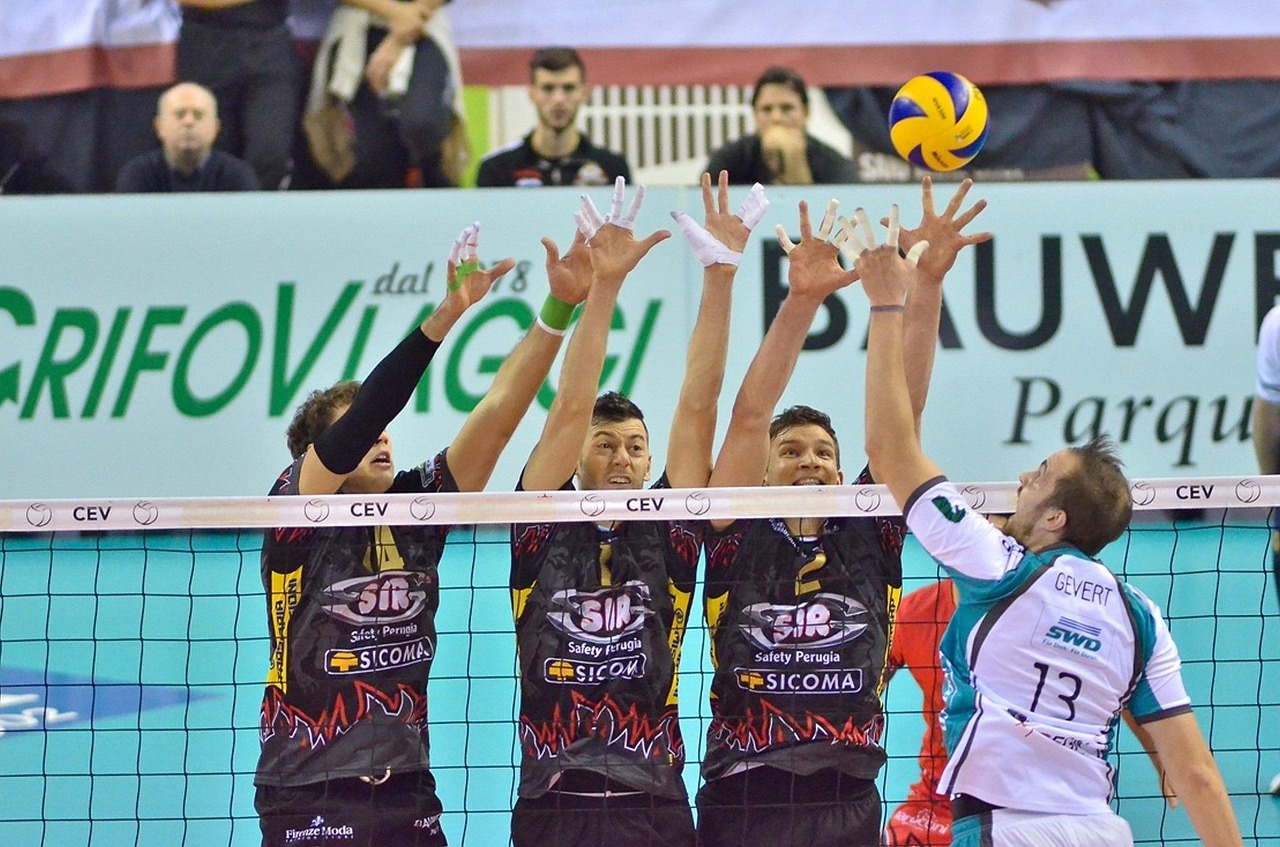
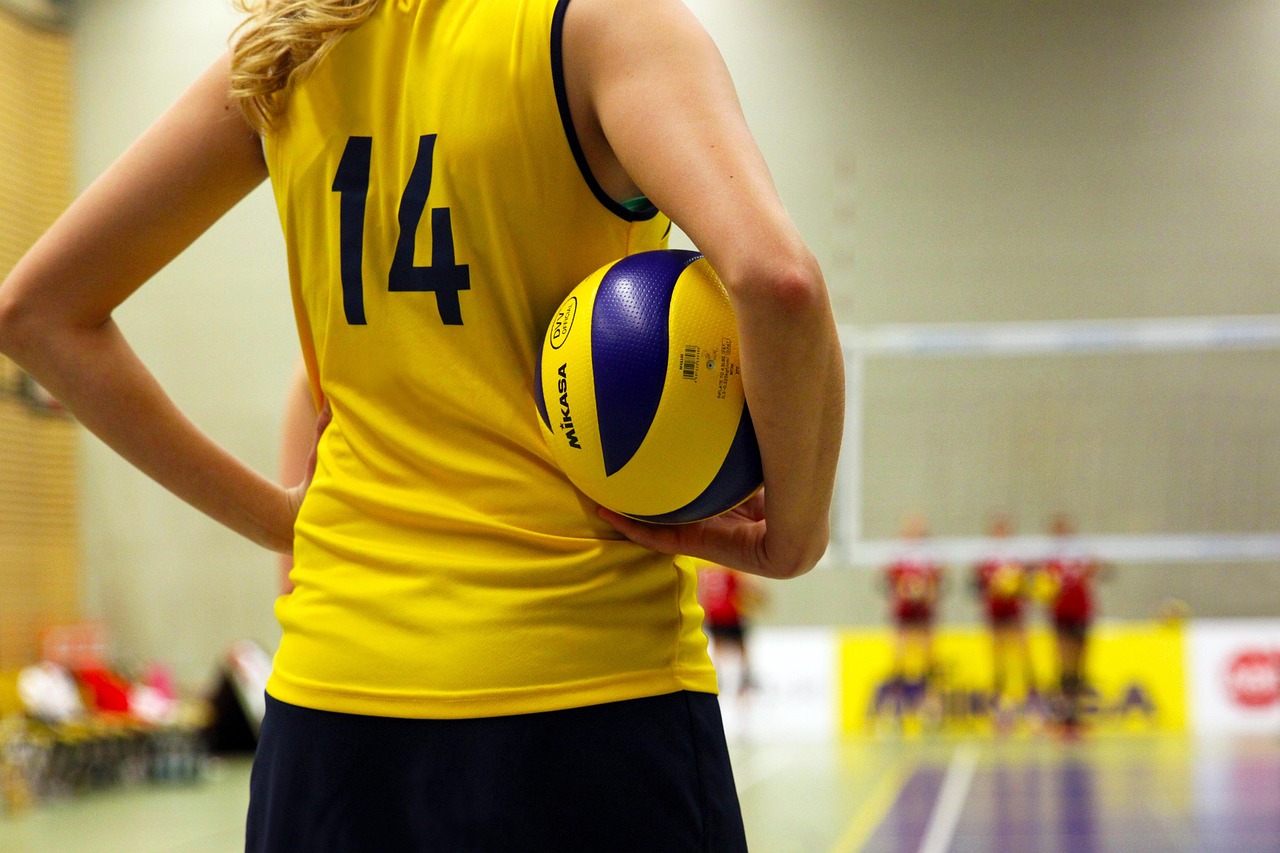
The indoor game is the center of the Belarusian volleyball identity. The men’s side has often looked like a classic Eastern European team: tall at the net, comfortable with structured blocking, and dependent on whether the first contact can support enough tempo for the setter to use the middle. CEV roster records from recent European competition show the physical profile clearly, with Belarus listing multiple middle blockers above 200 cm and opposites/outside hitters built for high-contact volleyball.
That size gives Belarus a natural base. When the serve receive holds, the team can play through the middle, stretch opponents with opposite-side scoring, and turn matches into a contest of block touch, transition setting, and controlled side-out volleyball. When the passing breaks down, Belarus has tended to look more like many mid-tier European teams: physical enough to win points in bursts, but not always consistent enough to pressure elite opponents over five sets.
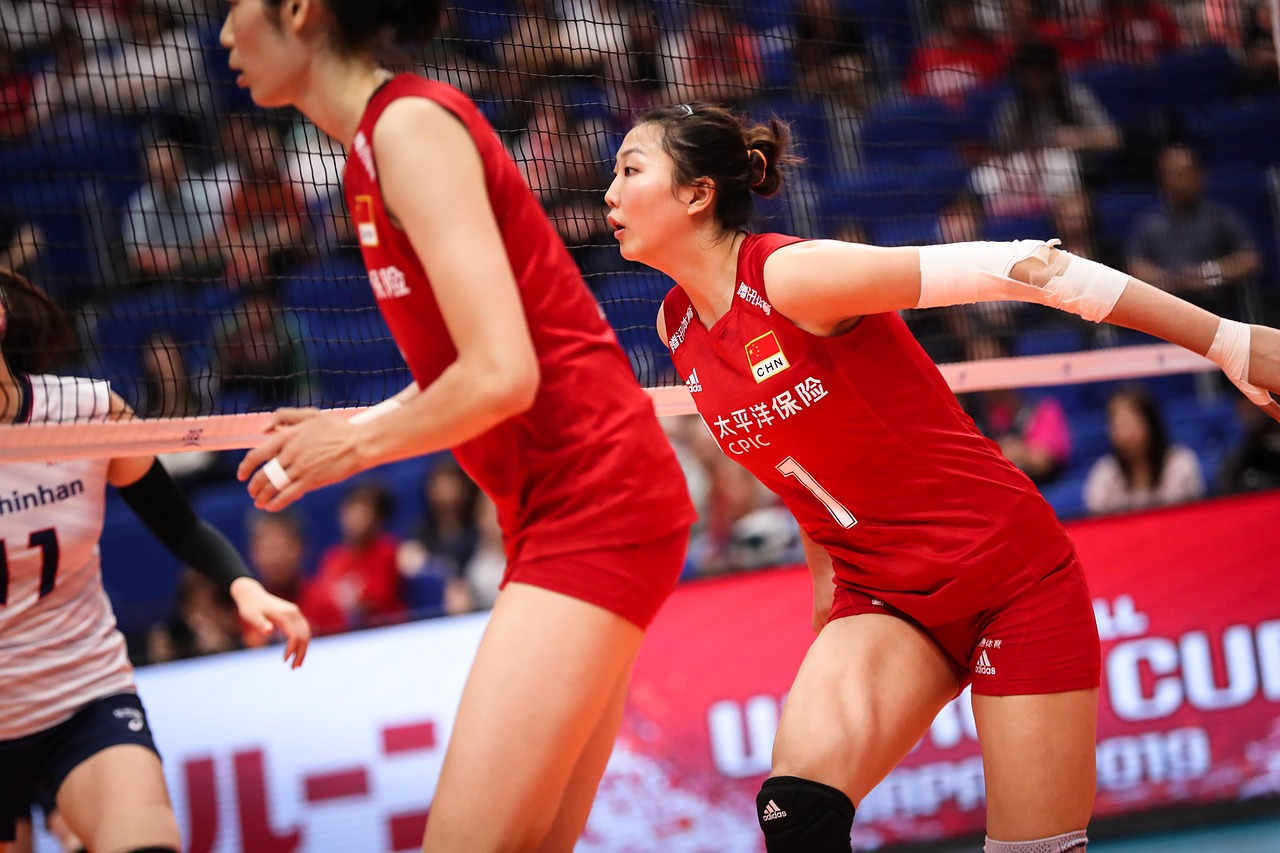
The women’s game has followed a similar pattern, with Belarus producing athletes who fit the modern European indoor profile: tall outside hitters, physical opposites, and middle blockers capable of competing in a fast, block-heavy environment. The women’s national-team history includes repeated appearances in European qualification and European League structures, showing that the program has had continuity rather than one isolated generation.
One of the more important details in Belarusian volleyball is that its reputation has not been limited to senior teams. Youth development has mattered. Belarus claimed a bronze medal at the 2020 CEV U19 Women’s European Championship, a tournament staged in Zenica, Bosnia and Herzegovina, and Croatia, which pointed to a real junior pipeline on the women’s side. For a country that is not usually discussed in the same breath as the top volleyball nations in Europe, youth results like that are significant. They show that the system can still produce players who are competitive at a high European age-group level.
Belarusian volleyball also has an understated club identity. It does not have the same global name recognition as the Polish PlusLiga, Italy’s SuperLega, Turkey’s top women’s league, or the Serbian player-development pipeline, but domestic clubs remain the practical base of the sport. They provide the match rhythm, training environment, and senior-level bridge for players who are not immediately moving abroad. In countries like Belarus, the domestic league is not just entertainment; it is a development mechanism. It keeps players active, gives younger athletes exposure to veteran opponents, and creates the selection pool for national-team cycles.
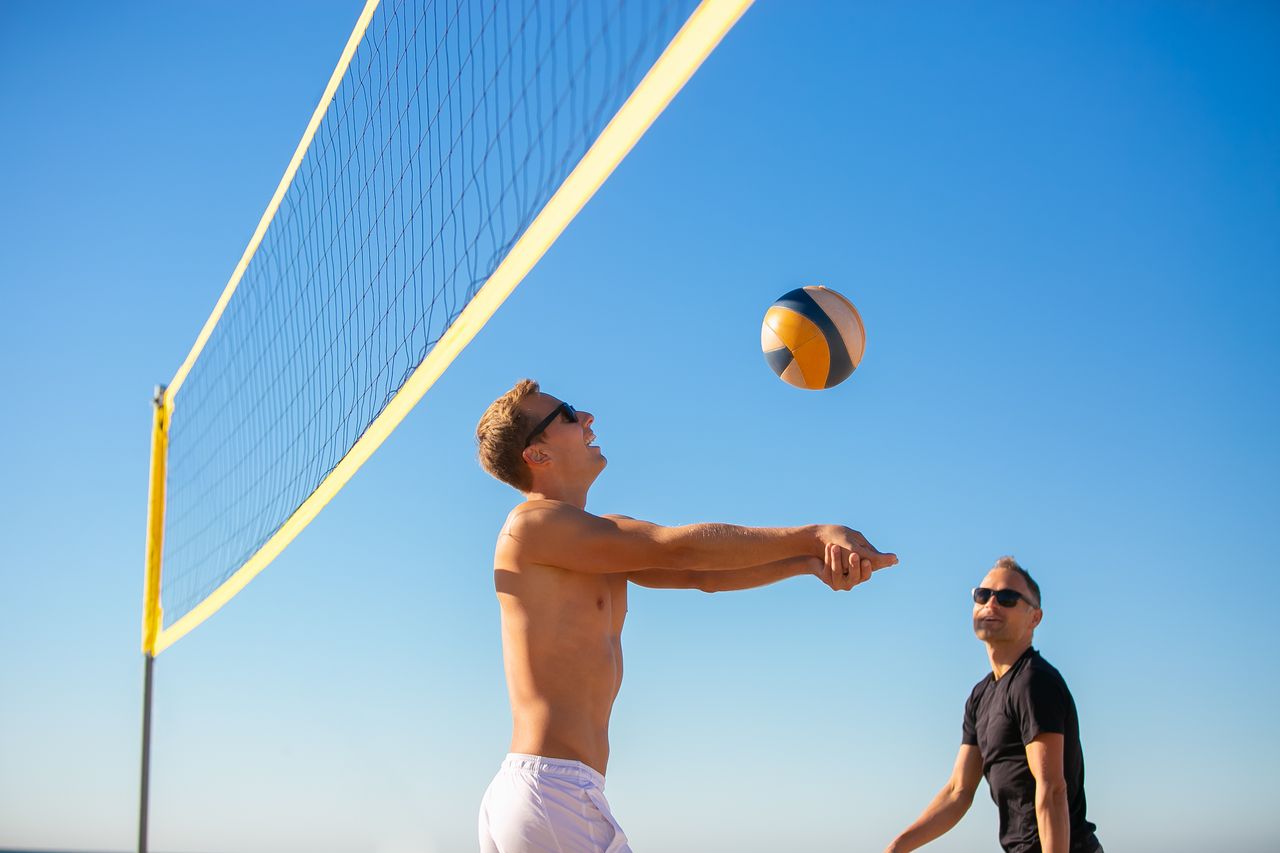
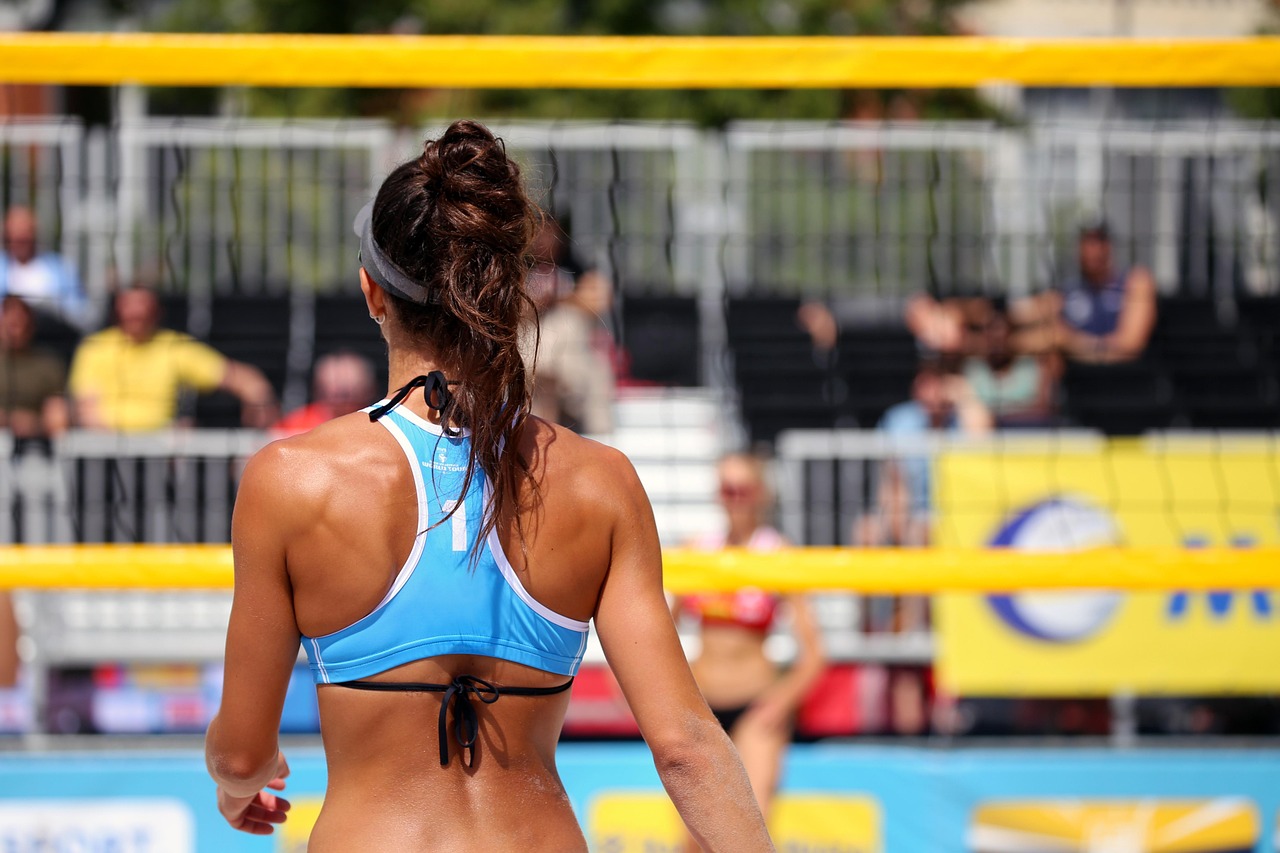
That club foundation is especially important because Belarus does not have a broad beach volleyball identity to balance the indoor game. There are no major coastal volleyball markets, no beach-tour mythology, and no obvious outdoor circuit shaping the country’s global image. Outdoor volleyball may exist recreationally in parks, schools, and summer settings, but it is not the defining lane. Belarusian volleyball is most naturally understood through gymnasiums, club rosters, national-team windows, and the training habits of an indoor-first country.
The style of volleyball that fits Belarus is not flashy. It is built around physicality, repetition, and the ability to stay organized inside a difficult European match. The best Belarusian teams are at their most convincing when they serve with enough pressure to slow an opponent’s offense, establish a blocking presence through the middle, and turn broken plays into second-chance swings. The libero and setter positions become crucial because the team’s attacking potential depends heavily on whether Belarus can move beyond predictable high balls to the pins.
The country’s volleyball ceiling has always depended on two things: how many of its best athletes stay in the sport, and how much international competition they can access. Volleyball is unforgiving for countries outside the elite tier. One strong generation can make a team competitive, but sustained progress usually requires professional minutes, high-level coaching, youth tournaments, and regular exposure to stronger opponents. Belarus has enough volleyball infrastructure to produce legitimate players, but its challenge is converting that into deeper senior-team success.
The future of volleyball in Belarus is therefore less about inventing a culture from scratch and more about reconnecting and strengthening the pieces that already exist. The country has the physical profile, indoor tradition, federation structure, and competitive history to remain a meaningful European volleyball nation. Its best path is through youth development, stronger domestic clubs, continued investment in women’s volleyball, and a clearer route for top players to gain elite-level experience.
Belarus volleyball is not defined by mass global attention. It is defined by a serious indoor base, a demanding European context, and a player-development system that has occasionally shown it can produce teams capable of competing beyond its size. In the larger map of European volleyball, Belarus belongs in the middle tier with real upside: not a permanent medal favorite, but not a casual participant either. It is a country where volleyball has structure, history, and the raw athletic tools to matter when the system is working.