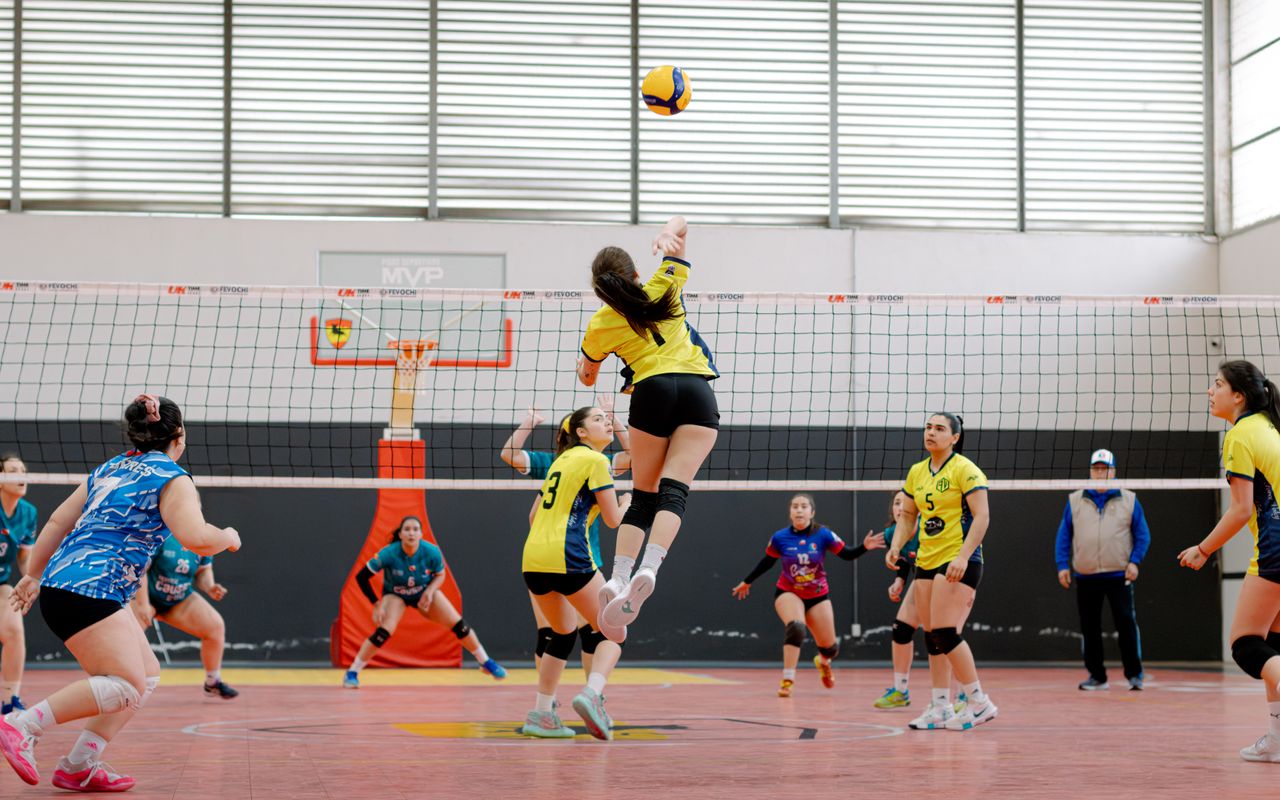
Libya has one of the more serious volleyball identities in North Africa, with a history that reaches into Olympic competition, African championships, Arab tournaments, and club-level success. It is not a constant world power, but it is not a marginal volleyball country either. Libya’s volleyball profile is built around the men’s indoor game, where national-team appearances and club ambition have given the sport a clearer competitive reputation than in many neighboring programs. In a sports culture where football usually commands the largest audience, volleyball has still managed to create moments of continental relevance.
The Libyan men’s national team gives the country its strongest volleyball story. Libya appeared at the 1980 Olympic Games and later competed at the world championship level, placing the country among the African programs with a real international record. That legacy matters because Olympic and world-level appearances create a benchmark for future generations. They show that Libyan volleyball has not simply been a domestic pastime; it has at times operated inside the top tier of African and international competition. More recently, Libya’s third-place finish at the 2023 African Nations Championship brought renewed attention to the national team and confirmed that the program could still compete with serious continental opponents.
The Libyan indoor game is shaped by North African volleyball standards. That region is one of the strongest zones in African volleyball, with Egypt, Tunisia, Algeria, Morocco, and Libya all operating in a competitive environment where technical organization matters. North African teams tend to value structured systems, disciplined blocking, serving pressure, and a more tactical indoor game than many developing volleyball environments. For Libya, competing in that neighborhood is demanding but useful. Regular matches against stronger regional opponents can expose weaknesses in serve receive, transition offense, and defensive coverage, but they also force the program to play at a higher level.
Club volleyball is especially important to Libya’s identity. Al-Swehly’s rise, including its African club success in Misrata, gave Libyan volleyball a major domestic and continental moment. Club achievement matters in volleyball because it often reflects more than one strong generation of players. It points to coaching, facilities, recruitment, financial backing, crowd interest, and the ability to prepare a team through a demanding tournament format. When a Libyan club can beat established opponents from traditional volleyball countries, it changes the perception of the local game. It also gives younger players a visible standard inside the country rather than making international volleyball feel distant.
Women’s volleyball and youth development remain important parts of Libya’s next stage. The men’s program has the clearer competitive record, but a deeper volleyball country needs broader participation. That means more school competition, more girls’ development, better coaching education, and a stronger link between youth clubs and senior teams. Volleyball is a technical sport, and late development can limit even talented athletes. Libya’s ceiling rises when players are exposed earlier to proper platform work, footwork, blocking systems, setting tempo, and competitive match environments.
Beach volleyball has potential because of Libya’s Mediterranean coastline, but the country’s main volleyball identity remains indoor. The beach game could still serve an important role in player development and international representation. North African beach volleyball is competitive, and a serious Libyan beach program would need regular pairs, coaching, event access, and zonal competition. For now, beach volleyball is better understood as a growth opportunity rather than the center of Libya’s volleyball reputation.
Libya’s current volleyball direction is defined by a mix of history and renewed ambition. The country has enough past success to take the sport seriously and enough recent club and national-team relevance to justify further investment. Its biggest task is consistency: consistent funding, consistent competitions, consistent youth pathways, and consistent international exposure. If those pieces hold, Libya can remain a credible African volleyball country and one of the more competitive indoor programs in North Africa.