Fiji’s volleyball identity is a hybrid of island recreation, indoor national-team history, village and suburb participation, and a meaningful Oceania beach volleyball culture. It is not a volleyball superpower in the global sense, but it is a country where the sport has genuine social reach. The Fiji Volleyball Federation describes volleyball as visible in villages and suburbs and as one of the common recreational sports played by Fijians, which gives the game a broader community base than many smaller national programs can claim.
Fiji’s competitive volleyball history also reaches back further than casual observers might expect. Fiji’s national indoor team first appeared internationally at the 1963 South Pacific Games, while the women’s team won silver at the 1990 Oceania Games and the men’s team earned bronze at the 1995 South Pacific Games. The federation itself was established in 1970 and has grown from four affiliated members and about 500 players to 24 associations across Viti Levu and Vanua Levu.
Island Volleyball With a Real Indoor Base
The natural assumption with Fiji is to focus only on beach volleyball, but indoor volleyball remains central to the country’s organized volleyball identity. Fiji’s population is spread across islands and communities where sport is woven into school, village, church, and neighborhood life. Volleyball fits that environment because it can be played competitively indoors, casually outdoors, and socially in community spaces.
The indoor game gives Fiji structure. Associations, clubs, and national-team programs create the competitive ladder. At the technical level, Fiji’s challenge is the same one facing many island volleyball nations: turning athletic, enthusiastic participation into sustained systems of training. Strong serving, reliable first contact, setter development, and disciplined blocking are the difference between being competitive regionally and becoming a consistent Oceania threat.
Fiji’s volleyball strengths come from participation density and athletic culture. The country has a deep sporting identity built around movement, power, agility, and team play. Volleyball benefits from that base, especially when players are introduced early and then refined through association competition.
Beach Volleyball and the Pacific Context
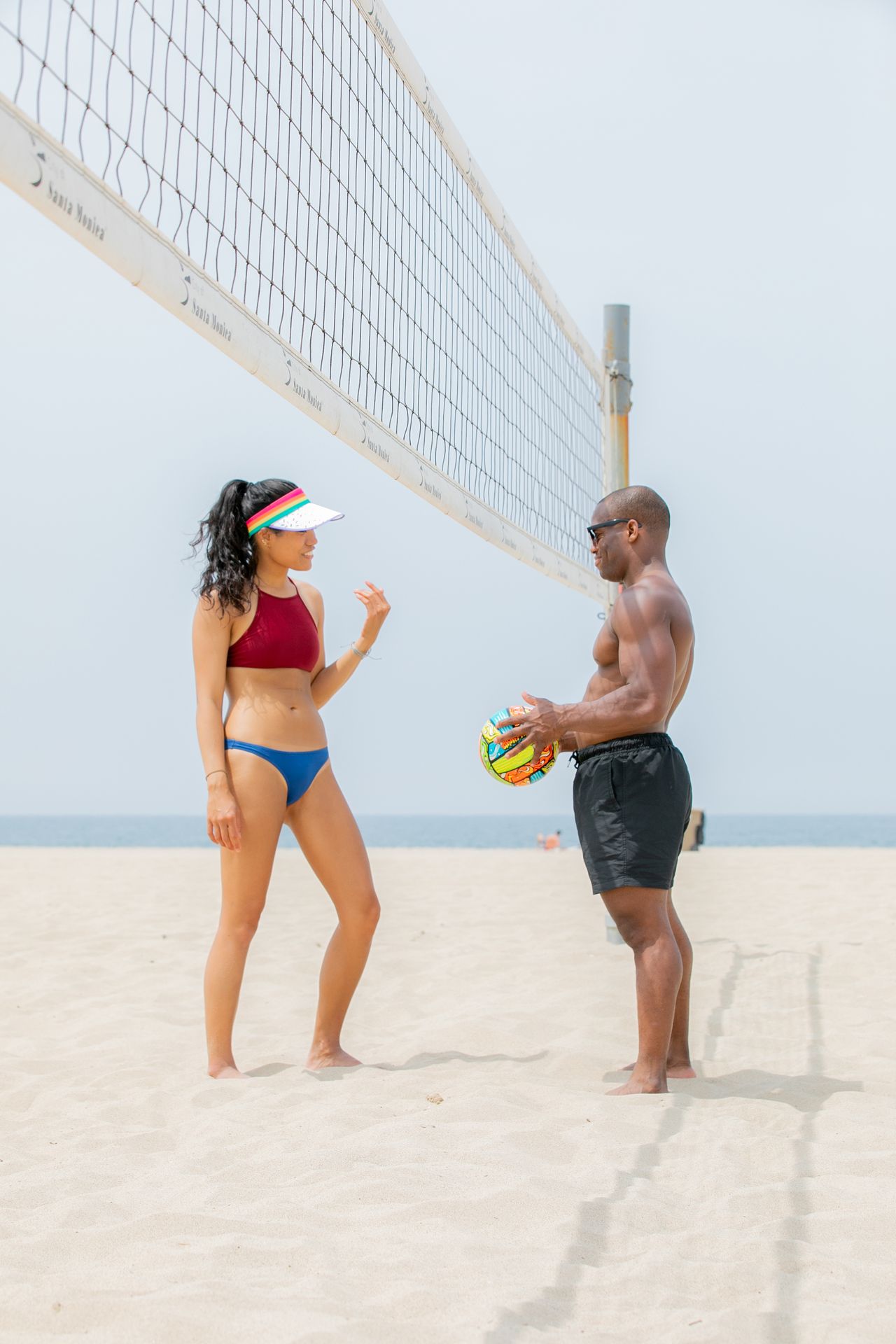
Beach volleyball gives Fiji another important identity. The climate, coastline, and outdoor lifestyle make beach volleyball a natural extension of the sport, even when the country’s formal competitive base also includes indoor volleyball. In the Pacific Games beach volleyball record, Fiji has been part of the medal landscape, including men’s bronze in 2003 and silver in 2011 through Waisale Suka and Aisake Raratabu, while Fijian women’s pairs were prominent in earlier editions, including gold at the 1999 event and silver in 2003 and 2007.
That beach history matters because Oceania volleyball is not built only around large professional leagues. Regional tournaments, Pacific Games competition, national associations, and athlete exchanges all shape the sport. Fiji’s federation notes past exchange activity involving Australian clubs and American college teams, a useful sign of how international contact can raise standards for national players.
Beach volleyball also gives Fiji a route where smaller rosters can make a larger impact. A single strong pair can change a country’s competitive profile faster than a full indoor program. The sand game rewards ball control, conditioning, court vision, serving strategy, and chemistry, all areas where island nations with regular outdoor play can develop a recognizable style.
Development, Culture, and the Next Step
Fiji’s volleyball future depends on keeping the sport connected to its community base while sharpening the elite pathway. The participation culture is already a major advantage. The next level comes from coaching, youth competitions, consistent association calendars, and clearer movement from recreational play into representative volleyball.
Fiji has the ingredients of a serious Oceania volleyball country: indoor tradition, beach relevance, community participation, and a federation structure that reaches across major islands. Its ceiling will be determined by how well those pieces connect. When the village and suburb game feeds the association system, and when the association system feeds national teams, Fiji’s volleyball identity becomes more than recreational. It becomes a durable Pacific volleyball pathway.