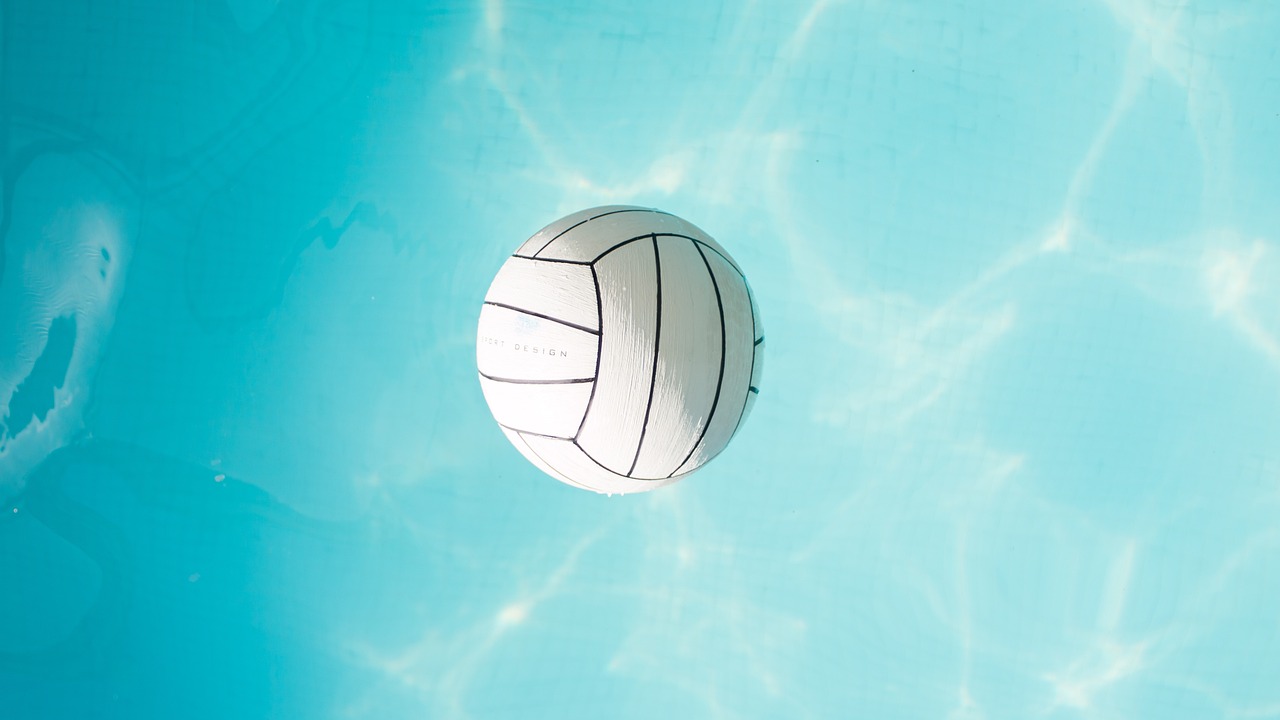
Minnesota volleyball has the shape of a true northern development state: serious school programs, dense junior club activity, strong college interest, and a flagship Division I program that gives the sport a visible competitive center. It is not a beach-first volleyball market, and it is not simply a recreational gym scene. Minnesota’s volleyball identity is built indoors, through fall high school seasons, winter club tournaments, packed college gyms, and a culture that treats technical development as seriously as athleticism.
The state’s strongest volleyball reputation begins with girls’ and women’s volleyball. Across Minnesota, the sport has a deep high school footprint, with programs spread from the Twin Cities suburbs to smaller regional communities where school athletics still carry local weight. Volleyball fits Minnesota’s sports geography well. It does not require the outdoor calendar that limits other fall sports, it rewards disciplined training, and it gives schools outside the largest metro areas a realistic path to statewide relevance. In many communities, the volleyball gym becomes one of the most important athletic spaces of the school year.
That high school base matters because Minnesota volleyball is not concentrated only in one city or one level of play. The Twin Cities drive much of the state’s club and college recruiting visibility, but the sport’s reach extends across central, southern, and northern Minnesota. Smaller schools can build strong programs around ball control, defensive organization, and experienced coaching. Larger suburban schools often have the depth to develop tall, physical attackers, multiple setters, and specialized defensive players. The result is a state where volleyball talent does not feel accidental. It is produced through repetition, coaching continuity, and a competitive calendar that gives players meaningful matches early.
The Gophers and the State’s Volleyball Standard
The University of Minnesota gives the state its most recognizable volleyball brand. Golden Gophers volleyball has long been one of the central programs in Big Ten women’s volleyball, which means Minnesota’s best college team competes in one of the most demanding conferences in the sport. That matters for the state’s identity. Minnesota volleyball is not built around occasional national attention; it is connected to a conference environment where elite serve receive, terminal outside hitting, strong middle blocking, and high-level defensive systems are required every week.
The Gophers’ rise also helped raise the standard for how volleyball is understood in the state. A strong college program gives younger players something concrete to study. It gives coaches a visible model of system volleyball. It gives families and clubs a sense of what national-level play looks like without leaving the state. When Minnesota is at its best, the program reflects the kind of volleyball the state values: organized, physical, defensively tough, and tactically mature.
The Hugh McCutcheon era became especially important in shaping Minnesota’s modern volleyball reputation. McCutcheon arrived with international credentials and helped reinforce the idea that Minnesota could operate as a national program, not merely a strong regional one. Under his leadership, the Gophers became associated with deep NCAA Tournament runs, Big Ten contention, and a polished style of play that matched the state’s broader volleyball personality. Minnesota volleyball has often leaned into discipline rather than flash, and the Gophers have embodied that at the highest level.
A School and Club Pipeline Built for Indoor Volleyball
Minnesota’s player-development structure is strongest when school volleyball and club volleyball reinforce each other. High school seasons give athletes identity, rivalries, and community pressure. Club volleyball gives them volume, travel competition, position training, and exposure beyond the state. Together, they create the state’s main pathway from promising middle school athlete to college prospect.
The Twin Cities metro is the center of gravity for much of that club development. Its population density allows for deeper age-group teams, more specialized coaching, and more consistent access to competitive tournaments. Suburban volleyball around Minneapolis and St. Paul benefits from a strong sports infrastructure: gyms, school programs, private training, and families familiar with the recruiting process. Players who develop in that environment often learn early that college-level volleyball is built on details: platform angles, serve pressure, transition footwork, blocking assignments, setter tempo, and the ability to score after imperfect first contact.
Outside the metro, Minnesota volleyball often has a different but equally important character. Smaller communities may not always have the same club depth, but they can produce players with high volleyball IQ and multi-sport toughness. In rural and regional programs, the best athletes often carry large roles from a young age. A top outside hitter may pass six rotations, take heavy swings out of system, defend, serve aggressively, and lead emotionally. That kind of responsibility can build complete players.
Minnesota’s volleyball culture also benefits from the seriousness of its winter sports environment. Athletes and coaches in the state are accustomed to long indoor training seasons. That supports volleyball’s technical demands. The sport rewards athletes who are willing to train the same movement patterns over and over: approach timing, hand contact, defensive posture, serve mechanics, and setter location. Minnesota’s broader sports culture has the patience for that kind of development.
Beyond Division I: A Deep College Volleyball State
Minnesota’s volleyball reputation does not stop with the Gophers. The state also has meaningful depth across smaller college levels, including Division II, Division III, NAIA, and junior college competition. That gives Minnesota players more than one version of success. Not every strong player is a Big Ten recruit, but many can continue competing in serious college environments.
This is one of the state’s underappreciated strengths. In some volleyball markets, the conversation becomes overly focused on elite Division I prospects. Minnesota has enough college programs and regional competition to support a broader pathway. A defensive specialist, setter, right-side hitter, or undersized outside hitter may not fit a Power Five profile but can still become a major player at another level. That keeps more athletes connected to the sport and strengthens the overall volleyball ecosystem.
The Northern Sun Intercollegiate Conference also gives the region a serious Division II presence, with Minnesota-based programs contributing to one of the better small-college volleyball environments in the country. That matters because it keeps high-level volleyball visible beyond the Big Ten. It also gives local players a chance to see that college volleyball can be intense, physical, and tactically sharp outside the largest athletic departments.
Style of Play and Volleyball Culture
Minnesota volleyball tends to be associated with structure. The state produces athletes who are used to system play, tough serving, disciplined floor defense, and long rallies. That does not mean Minnesota lacks attackers. The best programs in the state can produce high-level pins and strong middles. But the culture of the game is often built around complete volleyball rather than isolated athletic highlights.
Good Minnesota teams usually have back-row steadiness. They value liberos who can control first contact and setters who can manage imperfect passes. They understand that in cold-weather indoor volleyball states, the game is often won through consistency: serving zones, blocking schemes, defensive reads, and the ability to side out under pressure. A team that cannot pass or defend in Minnesota’s best competitive environments will eventually get exposed.
The fan culture follows that pattern. Minnesota volleyball crowds know what they are watching. A big kill matters, but so does a setter saving a broken play, a libero extending a rally, or a middle closing a block at the right moment. The state’s volleyball audience has been educated by years of strong high school competition and national-level college matches. That gives the sport a more knowledgeable base than it has in many places where volleyball is still treated as a secondary fall activity.
Where Minnesota Volleyball Goes Next
The future of Minnesota volleyball is tied to whether the state can keep expanding opportunity while maintaining its technical standard. Girls’ volleyball is already deeply established. The next layers are continued club growth, better access outside the metro, more visibility for boys’ volleyball, and broader recognition for college programs beyond the Gophers.
Minnesota has the right ingredients for long-term volleyball strength: a serious high school base, a flagship university program, strong club infrastructure, and a sports culture that values disciplined development. Its challenge is not proving that volleyball belongs. That question has already been answered. The challenge is keeping the pipeline broad enough that players from every part of the state can see a pathway, whether they are chasing Big Ten volleyball, small-college competition, high school success, or a lifelong connection to the sport.
Minnesota is not a casual volleyball state. It is an indoor volleyball state with real structure, real standards, and a competitive identity that continues to shape players long before they reach a college roster.