How volleyball became a global sport is a story of simple design meeting the right institutions at the right time. Created in 1895 by William G. Morgan at the YMCA in Holyoke, Massachusetts, volleyball began as an indoor game that could be played by groups, taught quickly, and adapted to different spaces. That flexibility made it unusually portable. The YMCA helped carry the sport across borders, schools and military networks expanded its reach, and international competitions gave it structure. By the time volleyball entered the Olympics in 1964, it had already moved far beyond its American gymnasium origins. Its global rise came from a rare combination: easy entry, deep tactical growth, and a format that could fit schools, clubs, national teams, beaches, and professional arenas.
From YMCA Gymnasiums to International Courts
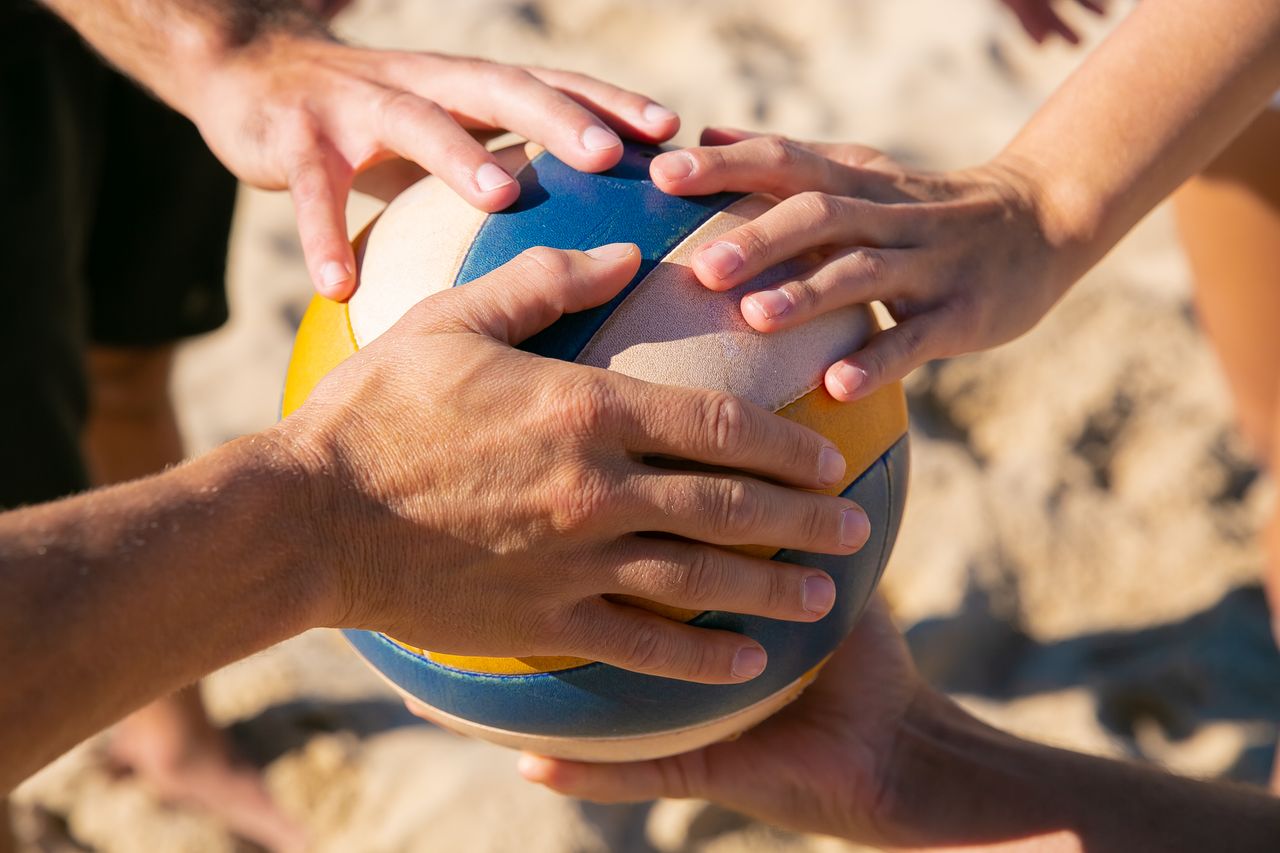
Volleyball’s early strength was that it did not require the same physical contact, equipment load, or field space as many other team sports. Morgan designed the game as a less bruising alternative to basketball, but it quickly proved to be more than a recreational gym activity. A net, a ball, and a group of players were enough to create a competitive game that could be adjusted for age, skill, and setting.
The YMCA’s global reach mattered. Its teachers, missionaries, educators, and physical directors helped introduce volleyball to new communities in North America, Asia, Europe, and Latin America. Because the game was relatively easy to demonstrate, it could spread through schools, military bases, community centers, and clubs without needing a large stadium or specialized field.
That portability gave volleyball a major advantage. It could become a school sport, a military recreation activity, a community game, or a serious club competition depending on the local context. In countries with strong school and club systems, volleyball found a natural home. In countries building national sports programs, it offered a team sport that rewarded training, coordination, and technical development.
How Volleyball Became a Global Sport Through Competition
The next major step was organization. Volleyball needed more than casual participation to become a global sport; it needed rules, federations, tournaments, and international stakes. The formation of the Fédération Internationale de Volleyball in 1947 helped create a clearer global structure. World Championship events gave national teams a regular stage, while continental competitions helped deepen the sport’s regional roots.
The Olympics changed volleyball’s profile even more. Indoor volleyball debuted at the 1964 Tokyo Games, giving the sport a global spotlight and helping establish it as a serious international competition. Japan’s women’s gold medal in 1964 became one of the sport’s defining early Olympic moments, while the Soviet Union, Japan, Czechoslovakia, Poland, Brazil, Cuba, China, the United States, Italy, and others helped build different eras of international strength.
Volleyball’s Olympic presence also gave national programs a clear target. Countries could invest in coaching, youth development, and elite training with the promise of medals. That created stronger pipelines and sharper playing styles. The Soviet Union emphasized size, structure, and power. Japan became known for speed and defensive discipline. Brazil developed a complete volleyball culture across indoor and beach formats. Cuba’s women brought overwhelming athleticism and power in the 1990s. China’s women’s program became a national symbol of excellence and pride.
Beach volleyball added another layer when it joined the Olympics in 1996. It gave the sport a second global identity: smaller teams, outdoor conditions, different tactics, and a visually distinct style. Indoor volleyball and beach volleyball did not compete for the same meaning; they expanded the sport’s reach in different directions.
Why Volleyball’s Global Growth Still Matters
Volleyball’s global success comes from the way it works at almost every level. Beginners can rally quickly, but elite volleyball is fast, technical, and tactically layered. The same basic game can serve a school gym, a national-team arena, a beach court, or a professional club league. That range has helped volleyball stay relevant across very different sports cultures.
The sport also has one of the clearest men’s and women’s global structures. Women’s volleyball is not a side branch of the sport; it is central to volleyball’s identity in countries such as Brazil, China, Turkey, Italy, Japan, the United States, Serbia, and Poland. The growth of women’s club volleyball, college volleyball, and international tournaments has made the sport one of the strongest global examples of men’s and women’s competition developing side by side.
Volleyball’s spread also reflects how adaptable team sports can become when they are easy to teach but hard to master. The rules invite participation, while the advanced game rewards timing, anticipation, serve receive, blocking systems, setter decisions, and defensive discipline. That balance is why volleyball could begin as a gymnasium invention and grow into an Olympic, professional, and school-based sport across continents.
Volleyball became global because it could travel lightly and grow deeply. Its early simplicity helped it spread, but its tactical richness helped it last. From YMCA gyms to Olympic arenas and beach courts, volleyball found a rare formula: accessible enough for almost anyone to start, demanding enough to become a world-class sport.