New Mexico volleyball has a distinct shape because the state does not fit neatly into one volleyball category. It is not an indoor national powerhouse in the same way as Nebraska, Texas, California, or Wisconsin, and it is not a beach volleyball destination in the same way as coastal states. New Mexico is better understood as a hybrid volleyball state: school-centered, club-driven in its competitive pockets, and shaped by the distance between communities as much as by the programs inside Albuquerque, Las Cruces, Rio Rancho, Santa Fe, and smaller towns across the state.
That geography matters. Volleyball in New Mexico is often built through school gyms, regional tournaments, family travel, and multi-sport athletes who learn to compete with limited margin for error. The state’s volleyball identity is not based on massive depth in every city. It is based on concentrated pockets of commitment, strong high school traditions, college programs that give the sport visibility, and a club structure that helps serious players find a higher level of competition.
A Volleyball State Built Through School Gyms
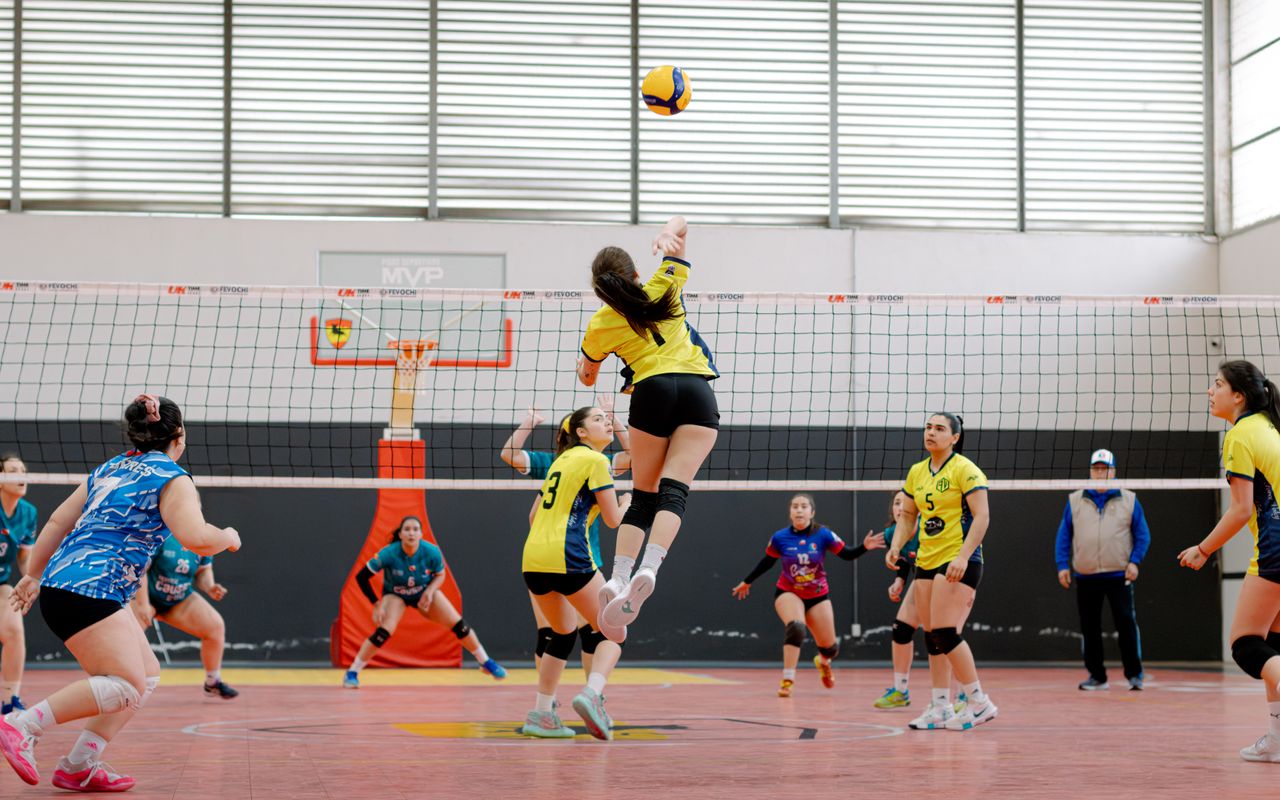
High school volleyball is the backbone of the sport in New Mexico. Across classifications, the high school game gives the state its clearest competitive rhythm: fall schedules, district races, state tournament pressure, and long trips that test teams before they ever reach the postseason. In a state where communities are spread across deserts, mountains, tribal lands, agricultural valleys, and metro corridors, volleyball becomes one of the sports that can connect very different places under the same competitive calendar.
The high school game in New Mexico also tends to reward complete players. Smaller rosters and smaller-school environments often mean athletes cannot specialize too early. A strong outside hitter may need to pass in serve receive, defend the left-back channel, take emergency second balls, and carry a heavy attacking load. Middles may be asked to block, transition fast, and score on imperfect sets. Setters often become the emotional center of the team because they are touching the ball almost every rally and managing tempo in gyms where momentum can swing quickly.
That produces a practical volleyball culture. New Mexico teams are often built less around overwhelming height and more around serving pressure, defensive discipline, ball control, and competitive toughness. At the strongest programs, the game is sharp and organized: aggressive serving to seams, disciplined libero play, pin hitters who can score off high balls, and setters who understand when to speed the game up or settle it down.
Albuquerque, Rio Rancho, Las Cruces, and the State’s Competitive Core
The Albuquerque metro area gives New Mexico volleyball its largest concentration of athletes, gyms, clubs, and school competition. Albuquerque and Rio Rancho have the population base to support stronger year-round training, more positional development, and deeper competition for roster spots. That matters in volleyball because touches matter. A player who is training through the club season, attending camps, and facing stronger opponents more often can develop a cleaner platform, faster transition footwork, and better court awareness.
Las Cruces gives the state another important volleyball center. Its location near the Texas border and its connection to New Mexico State University create a different competitive feel, with the sport tied to both local high school programs and a visible Division I college environment. Southern New Mexico players can grow up seeing the sport played at a higher level without leaving the state, which matters for athletes who need a clearer picture of what college volleyball requires.
Santa Fe and northern New Mexico add another layer. The sport in that part of the state is shaped by a mix of school pride, smaller communities, and club opportunities that can require commitment from families willing to travel. Volleyball there can feel more local and developmental, but the best players still learn the same hard lessons: serve receive decides matches, out-of-system swings must stay smart, and teams that defend well can frustrate more physically imposing opponents.
College Volleyball and the Statewide Standard
College volleyball gives New Mexico its most visible benchmark. The University of New Mexico in Albuquerque and New Mexico State in Las Cruces help anchor the sport at the NCAA Division I level. Their presence matters beyond wins and losses because they show young players what the game looks like when speed, strength, and scouting become central.
At the college level, the ball moves differently. Serve receive has to hold up against tougher float serves and jump serves. Middles have to close blocks faster. Outsides have to score against formed blocks instead of simply hitting over smaller defenders. Liberos are expected to control first contact, read hitters, and extend rallies with precision. For New Mexico athletes, having in-state Division I programs gives the local volleyball scene something to measure itself against.
New Mexico State, in particular, has often been one of the state’s strongest volleyball brands, carrying a competitive identity that reaches beyond Las Cruces. The Aggies have helped give southern New Mexico volleyball a serious college presence. UNM provides a similar reference point in the state’s largest city, where the Lobos connect the youth and high school scene to the Mountain West college game.
Those programs do not make New Mexico a national volleyball factory by themselves. What they do is provide a ceiling to look toward. They give club players, high school athletes, and coaches a nearby example of the tempo, physicality, and discipline required to compete beyond the local level.
Club Volleyball and the Search for Higher-Level Repetition
Club volleyball is where New Mexico’s serious players often make the jump from promising school athletes to more complete volleyball prospects. The state’s club scene does not have the sheer density of Southern California, North Texas, Chicago, or Indianapolis, but it plays a crucial developmental role. It creates more touches, more tournaments, more specialized coaching, and more exposure to teams outside a player’s immediate district.
For New Mexico athletes, club volleyball can be especially important because the school season alone is rarely enough for players with college ambitions. A setter needs hundreds of reps learning location, tempo, and decision-making. A libero needs serve receive reps against better servers. Middles need timing work with multiple setters. Pin hitters need to learn how to score when the set is not perfect. Club volleyball gives players the repetition that turns raw athletic ability into actual volleyball skill.
The challenge is access. Travel, cost, distance, and gym availability can all shape who gets the chance to train year-round. That is one of the defining tensions in New Mexico volleyball. The state has talent, but talent has to be identified, trained, and tested. The players who break through are often the ones who can combine school competition with club seasons, camps, strength work, and tournament experience.
Outdoor Volleyball in a Desert State
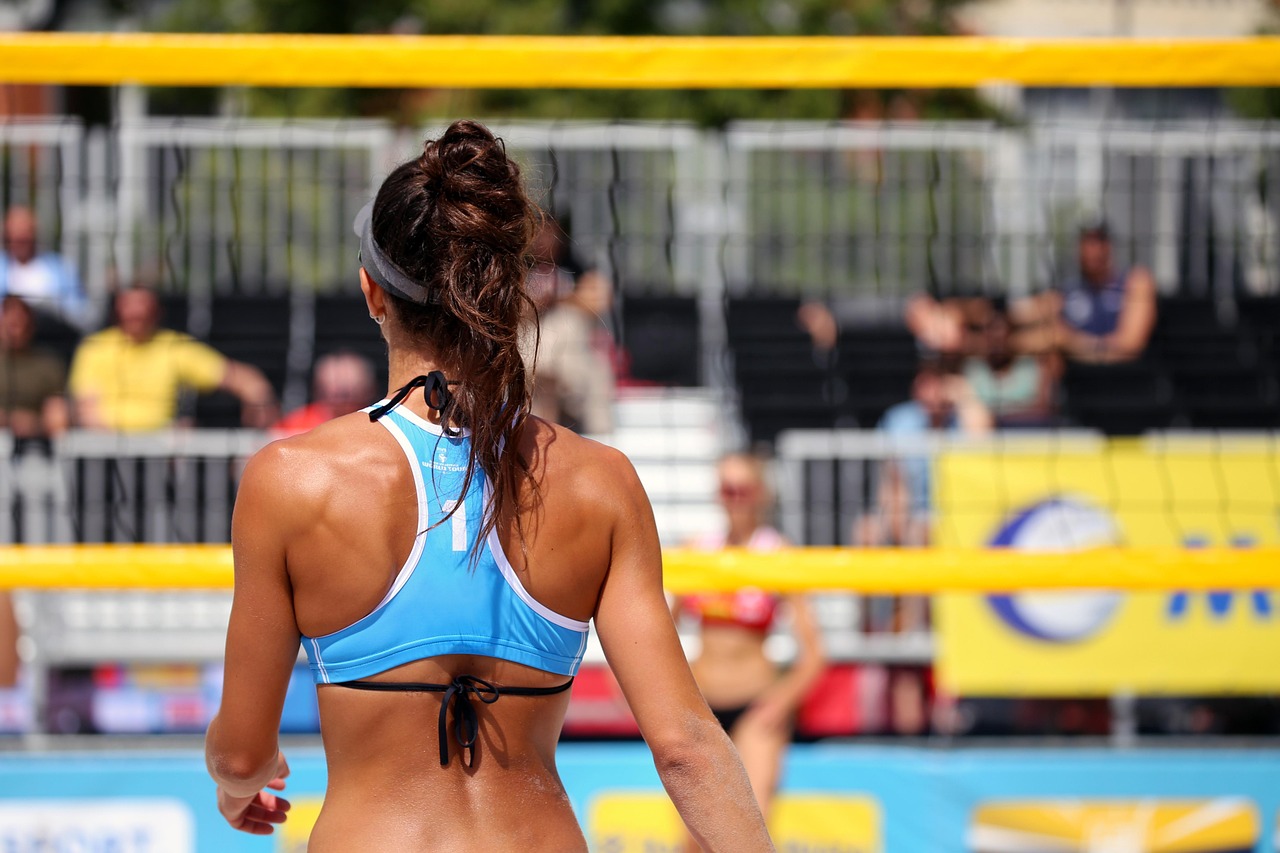
New Mexico is not usually thought of as a beach volleyball state, but outdoor volleyball still has a place in its broader identity. Grass, sand, and park volleyball can fit naturally into the state’s climate, especially in warmer months and in communities where recreational sports are part of local life. Outdoor volleyball in New Mexico is less about a major professional beach pipeline and more about participation, conditioning, and skill development.
That outdoor game can still help indoor players. Doubles and small-sided volleyball force athletes to read the game, communicate, serve strategically, and cover more court. A six-rotation indoor player who spends time outdoors can sharpen touch, improve shot selection, and become more comfortable handling imperfect contacts. In a state where indoor infrastructure can be uneven outside the larger metros, outdoor volleyball gives the sport another way to stay active.
What New Mexico Volleyball Is Becoming
The future of volleyball in New Mexico depends on development. The state’s ceiling will rise as more players get access to quality coaching, competitive club schedules, strength training, and exposure to higher-level opponents. Growth will not come simply from adding more teams. It will come from improving the pipeline between middle school, high school, club volleyball, and college opportunities.
New Mexico’s best volleyball identity is not built on trying to imitate larger states. Its strength is in its competitive pockets, its school-based culture, its college anchors, and its ability to develop tough, adaptable players. The state produces athletes who know how to travel, adjust, compete in loud gyms, and handle responsibility early.
That gives New Mexico volleyball a clear place in the larger American volleyball map. It is a developing but serious volleyball state, one where the sport is strongest when schools, clubs, families, and college programs are connected. Its next step is depth: more trained setters, more polished liberos, more year-round touches, more boys volleyball opportunities, and more pathways that let talented players stay visible without having to leave the region too early.
New Mexico volleyball is not defined by volume. It is defined by commitment. In a state where every long trip and every gym matters, the sport continues to grow through players and coaches who understand that volleyball development is built one contact, one rotation, and one season at a time.