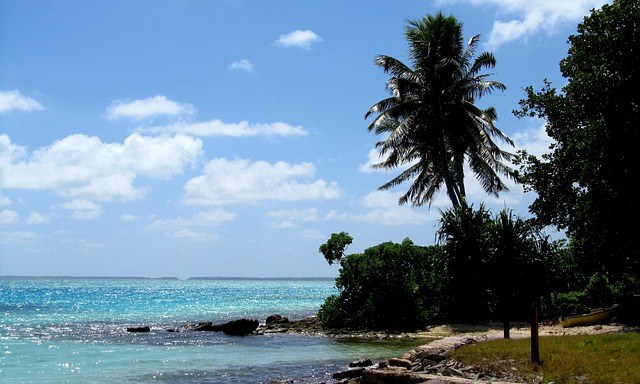
Samoa’s volleyball identity is shaped by the Pacific: island athleticism, regional competition, school and community sport, and the dual importance of indoor and beach volleyball. It is not one of the world’s major volleyball powers, but it belongs to a part of the world where volleyball has real competitive meaning. In Oceania, the sport connects national federations, Pacific Games programs, beach tournaments, and community athletic culture across countries that often share similar challenges of distance, resources, and small player pools.
The Samoa Volleyball Federation provides the formal base for the sport. That structure matters because Samoa’s competitive opportunities are tied to regional systems rather than large domestic professional leagues. The Pacific Games, Pacific Mini Games, Oceania events, and youth development programs are especially important for countries like Samoa. They give national teams and beach pairs meaningful targets, while also helping players measure themselves against Fiji, Tahiti, Papua New Guinea, New Caledonia, Vanuatu, American Samoa, and other Pacific volleyball programs.
Indoor volleyball in Samoa fits naturally into the country’s broader team-sport culture. Samoan athletes are often associated internationally with rugby and physical field sports, but volleyball rewards many of the same base traits: explosiveness, timing, coordination, strength, and competitive intensity. The indoor game adds a technical layer. A strong volleyball program needs passers who can control float serves, setters who can speed up the offense, middles who can close blocks, and defenders who can read attackers rather than simply react late.
The challenge for Samoa is not athletic potential. It is sustained volleyball infrastructure. Like many Pacific nations, Samoa must work around travel demands, limited high-level match volume, coaching availability, and the difficulty of keeping athletes in a consistent development system. When players do get regular training and regional competition, the country has the physical and cultural ingredients to be competitive. The key is turning those ingredients into repeatable volleyball habits.
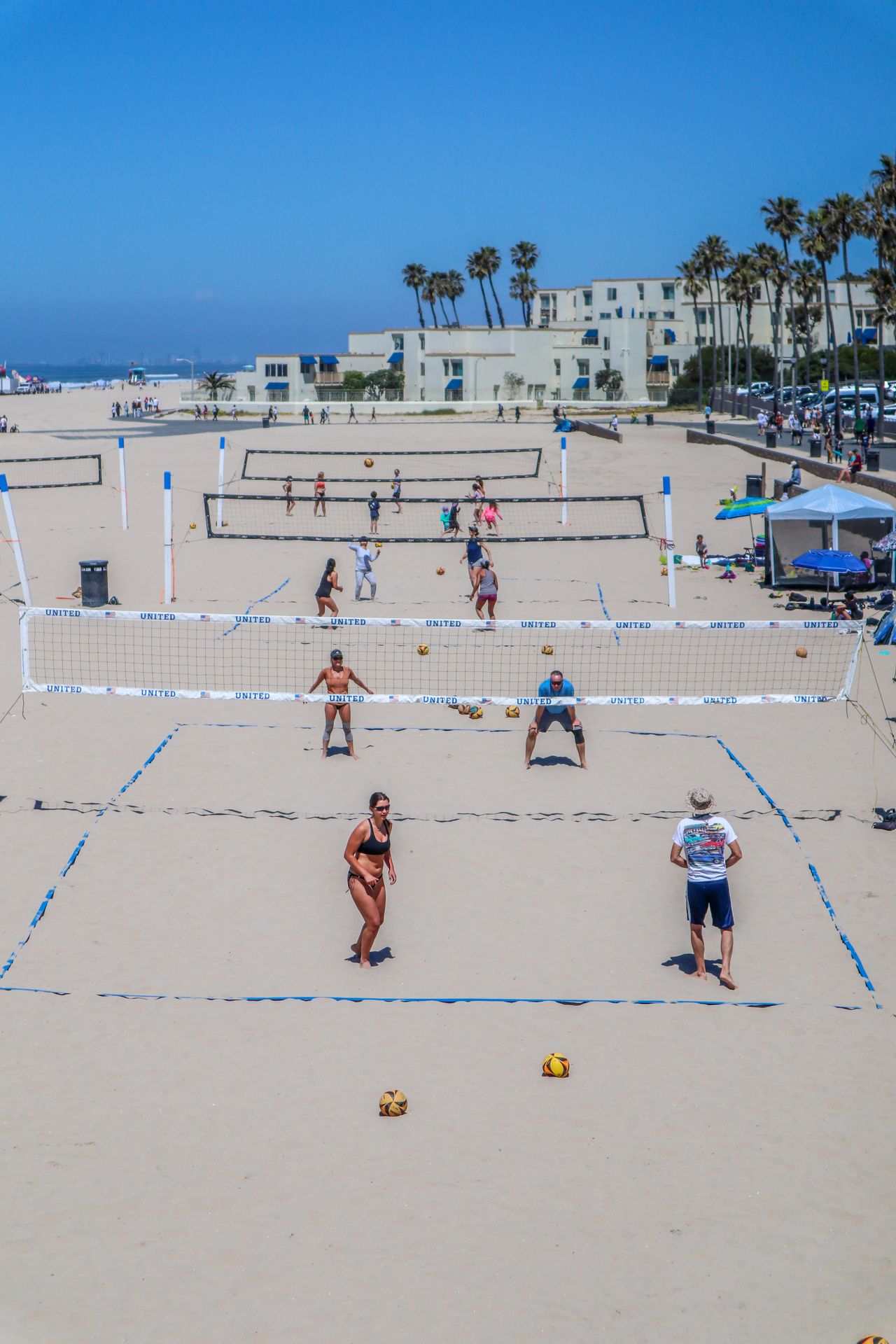
Beach volleyball is especially relevant to Samoa’s long-term profile. The format suits Pacific island conditions and gives smaller nations a clearer path to regional visibility. A beach pair does not require the same roster depth as an indoor team, but it does require advanced all-around skill. Every player must serve, pass, set, attack, defend, and communicate. For Samoa, beach volleyball can sharpen the technical side of the sport while giving athletes more chances to compete in Oceania and Pacific events.
Samoa’s player-development pathway is likely to remain community- and federation-driven. Schools, local competitions, national training, and regional tournaments all have to work together. Because the player pool is not as large as in major volleyball nations, multi-sport athletes can be important. The best prospects may come to volleyball with strength, jumping ability, and competitive instincts from other sports, then need focused coaching to develop serve receive, court awareness, and position-specific decision-making.
The future of volleyball in Samoa depends on continuity. More regular youth competition, stronger coaching networks, and deeper beach volleyball investment would help the country become more consistent in Pacific competition. Samoa’s best volleyball identity is not as a copy of a European indoor power or a North American club system. It is as a Pacific volleyball nation with athletic talent, regional pride, and room to grow through indoor structure and beach opportunity. If those pieces keep developing together, Samoa can remain a serious part of the Oceania volleyball conversation.