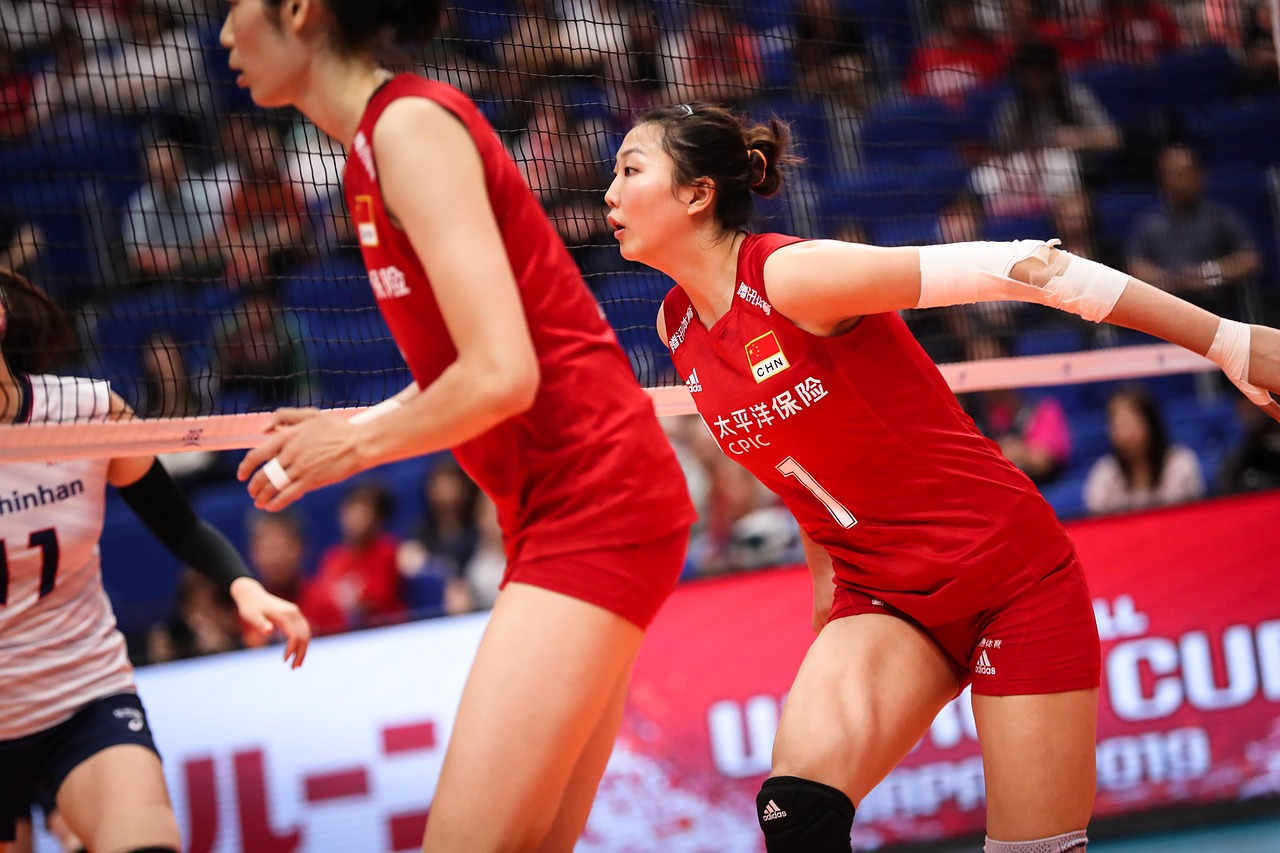
The opposite hitter is one of volleyball’s most important attacking positions because the role sits at the intersection of power, patience, and pressure. Positioned opposite the setter in the rotation, this player is often asked to score from the right side, attack from the back row, block the opponent’s outside hitter, and handle difficult out-of-system balls when the offense breaks down. That combination makes the position more than a scoring job. A strong opposite hitter gives a team balance, protects the setter’s choices, and becomes the release valve when rallies turn messy. In modern volleyball, the position has become central to how elite teams build their offense.
Why the Right Side Became a Scoring Zone
The opposite hitter’s role is tied directly to volleyball’s rotation structure. Because the opposite lines up across from the setter, this player often gives the offense a major attacking option when the setter is in the front row or when the team needs a reliable right-side threat. That matters because volleyball attacks can become predictable if all the scoring comes from the left side or the middle.
The right side also creates different angles than the outside hitter position. A left-handed opposite, in particular, can attack naturally from the right pin, opening sharper cross-court swings and stronger line options. Even right-handed opposites can stretch the block by forcing defenders to respect both sidelines. When the opposite is dangerous, blockers cannot overcommit to the outside hitter or middle attacker as easily.
At higher levels, the position also carries defensive responsibility. Opposite hitters often block against the opponent’s left-side attacker, who is usually one of the other team’s primary scorers. That means the position requires more than a heavy arm. The best opposites read hitters, close blocks, manage timing, and turn defense into transition opportunities.
The Opposite Hitter as Volleyball’s Bailout Option
The opposite hitter becomes especially valuable when the first contact is imperfect. In clean serve-receive situations, the setter can run the full offense: quick middle attacks, outside swings, back-row options, and combination plays. But when the pass pulls the setter off the net or the rally becomes scrambled, teams need an attacker who can still produce from a difficult ball.
That is where the opposite often becomes the bailout scorer. High balls to the right side, back-row attacks, and broken-play swings all require a player who can score without a perfect set. The job is not always to end the rally immediately. Sometimes the best opposite hitters keep the ball in play with a smart roll shot, tool the block, or force the opponent into a weaker transition.
This is why the position rewards decision-making as much as power. A hard swing matters, but so does knowing when to attack high hands, when to recycle the ball, when to tip into space, and when to take a controlled swing instead of forcing a low-percentage shot. In tight matches, those choices often separate a productive opposite from a player who only scores when the offense is already working.
How Modern Volleyball Elevated the Position
Modern volleyball has made the opposite hitter even more important because offenses are faster, more balanced, and more demanding than they used to be. Teams want scoring from every zone, including the back row. The opposite is often central to that structure, especially when a team uses pipe attacks, right-side back-row swings, and quick transitions after defensive digs.
In international volleyball, many of the sport’s most dominant scorers have played opposite because the position allows a team to build around a high-volume attacker. In women’s volleyball, stars such as Tijana Bošković have shown how a powerful opposite can define an entire national team’s attacking identity. In men’s volleyball, elite opposites often carry enormous scoring responsibility, particularly in out-of-system rallies and high-pressure late-set situations.
The position also shapes roster construction. Coaches look for opposites who can block, score, serve aggressively, and handle imperfect situations. A team with a strong opposite can survive bad passing stretches, vary its attack patterns, and put pressure on opposing blockers from both pins. That balance is essential in a sport where predictability is punished quickly.
The opposite hitter matters because volleyball is not played only in perfect systems. The position becomes most valuable when rallies stretch, passes drift, and defenses force uncomfortable choices. A great opposite gives a team power from the right side, stability in broken plays, and a scoring option that can change the shape of an entire match.