Mauritius has one of the more interesting volleyball identities in the Indian Ocean: island-based, club-driven, regionally competitive, and connected to both indoor and beach volleyball. The country is not one of Africa’s dominant volleyball powers, but within the Indian Ocean sports landscape, Mauritius has enough organization, facilities, and regional competition to give the sport a visible place.
Mauritian volleyball is best understood through the Indian Ocean circuit. The country competes in a neighborhood where Madagascar, Seychelles, Réunion, Comoros, Mayotte, Maldives, and Mauritius create a regional sporting culture with its own rivalries and tournaments. That matters because volleyball in Mauritius does not need to be judged only against Egypt, Tunisia, Cameroon, or Kenya. Its more natural competitive frame is the Indian Ocean, where club championships and island games give the sport recurring stakes.
Indoor Volleyball and the Club Scene
Indoor volleyball is a central part of Mauritius’ competitive profile. The club structure gives the sport regular organization, and regional tournaments allow Mauritian teams to measure themselves against the best clubs from nearby islands. The CAVB Zone 7 Club Championship is especially important because it brings together teams from the Indian Ocean region.
Mauritius hosted the 29th CAVB Zone 7 Club Championship in 2025, with the competition held from March 1 to March 8 at the Pandit Sahadeo Gymnasium. The tournament brought together leading men’s and women’s teams from the region, with Réunion’s Tampon Gecko Volley Club Sportif winning both the men’s and women’s titles. Even when Mauritian clubs are chasing teams from Réunion, Madagascar, or Seychelles, hosting and competing in that environment strengthens the domestic scene. It exposes players to faster offenses, stronger blocking systems, better serve pressure, and more disciplined floor defense.
The presence of Zone 7 competition gives Mauritius a volleyball identity that is more substantial than casual participation. Clubs matter. Regional placement matters. Gym atmosphere matters. Players can see a pathway from domestic competition into Indian Ocean events, and that gives training a purpose beyond local matches.
The Indian Ocean Games Connection
The Indian Ocean Island Games are another pillar of Mauritian volleyball. Mauritius hosted the 2019 edition of the Games, which brought more than 2,000 athletes from Madagascar, Maldives, Mauritius, Mayotte, Réunion, and Seychelles, among others. That event included both indoor volleyball and beach volleyball, with indoor matches staged at Pandit Sahadeo Gymnasium and beach volleyball at Mon Choisy Beach Volley Arena.
For volleyball, the Games serve several purposes. They raise visibility, create national-team targets, and connect the indoor and beach versions of the sport. In island regions, multi-sport events can be as important as league seasons because they concentrate public attention and give players a clear representative goal. Mauritius benefits from that cycle. A player can grow through school or club volleyball, compete domestically, and then see the regional level through the Indian Ocean Games or Zone 7 club events.
Beach Volleyball and Island Potential
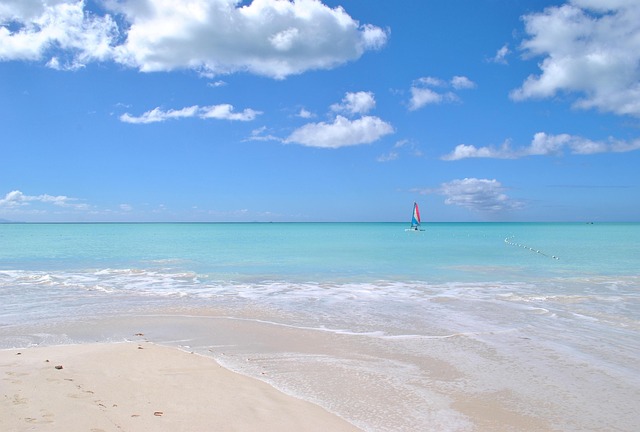
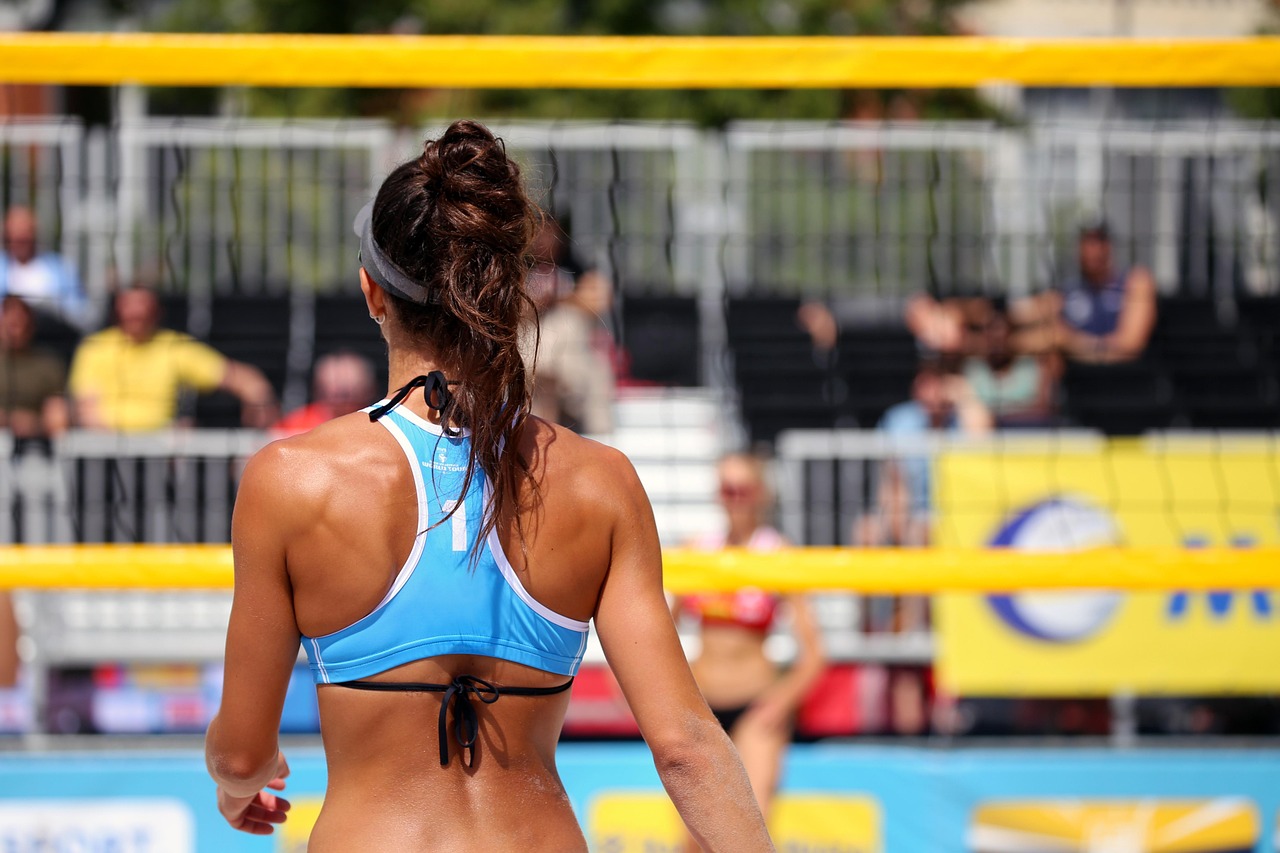
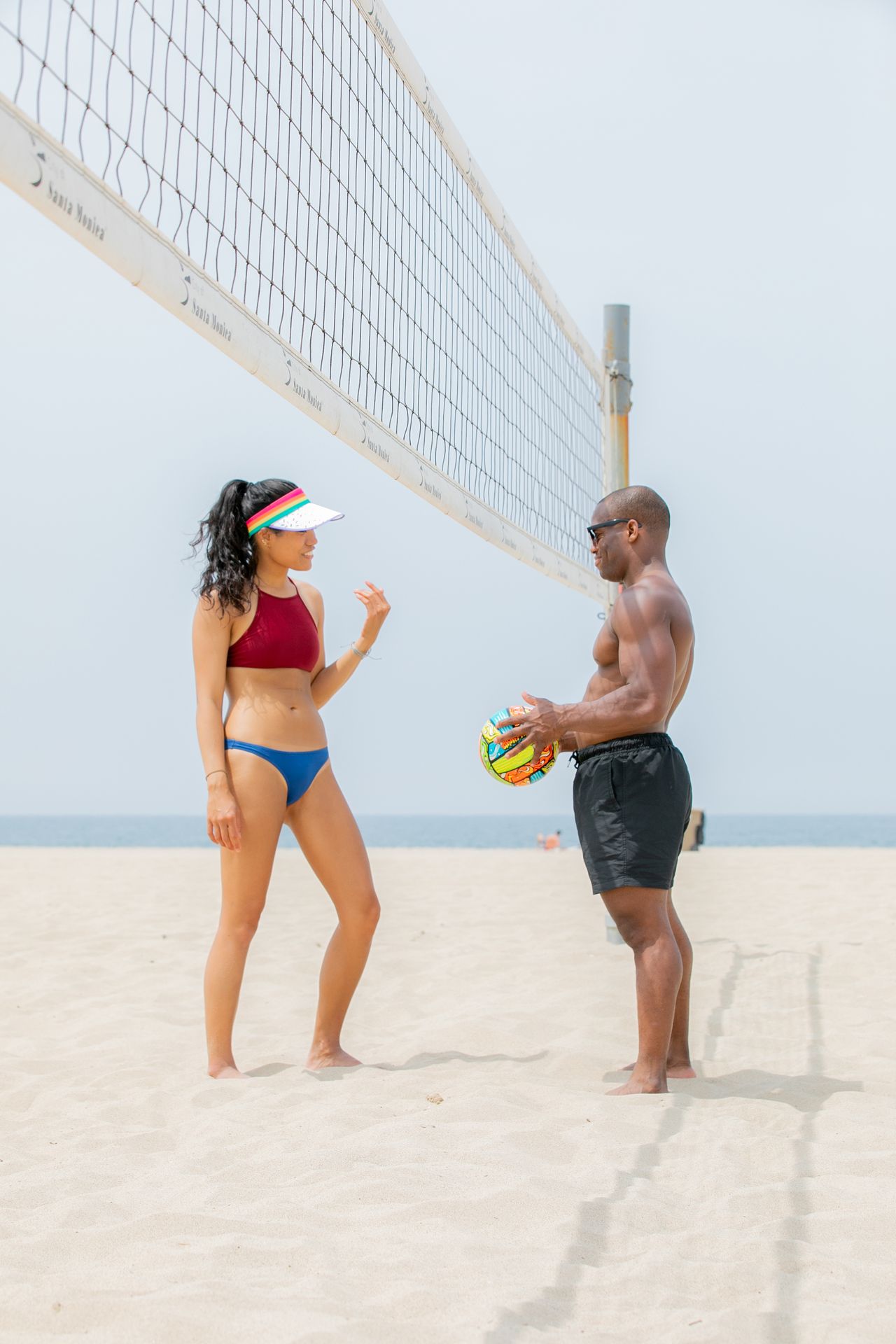
Beach volleyball is a natural part of Mauritius’ wider volleyball profile. The island’s beaches and climate give the sport an obvious recreational base, but serious beach volleyball requires more than scenery. It needs dedicated courts, trained pairs, tournament rhythm, and coaching that treats beach volleyball as its own discipline.
Mauritius already has evidence of beach volleyball infrastructure through events such as the 2019 Indian Ocean Island Games, where Mon Choisy hosted beach volleyball. The question is how consistently that event-level visibility turns into year-round development. The best beach programs in island regions usually build around a small group of committed pairs, frequent local tournaments, and regional exposure against countries such as Seychelles, Réunion, and Madagascar.
Mauritius’ Volleyball Direction
Mauritius’ volleyball future is tied to regional seriousness. The country has the right setting for a hybrid identity: indoor volleyball built around clubs and gyms, beach volleyball supported by island geography, and national-team ambitions shaped by Indian Ocean competition. Its next step is raising consistency across the pathway.
For Mauritian volleyball to keep advancing, the domestic club level must continue producing technically reliable players: setters who can run tempo, passers who can handle pressure, middles who close blocks, and outside hitters who score in transition. At the same time, beach volleyball should be treated as a parallel competitive opportunity rather than a seasonal side activity.
Mauritius is not a volleyball giant, but it is a real volleyball country within its regional context. Its strength comes from being connected: to clubs, to Zone 7, to the Indian Ocean Island Games, and to both the indoor and beach versions of the sport. That gives Mauritius a balanced volleyball identity with room to grow.