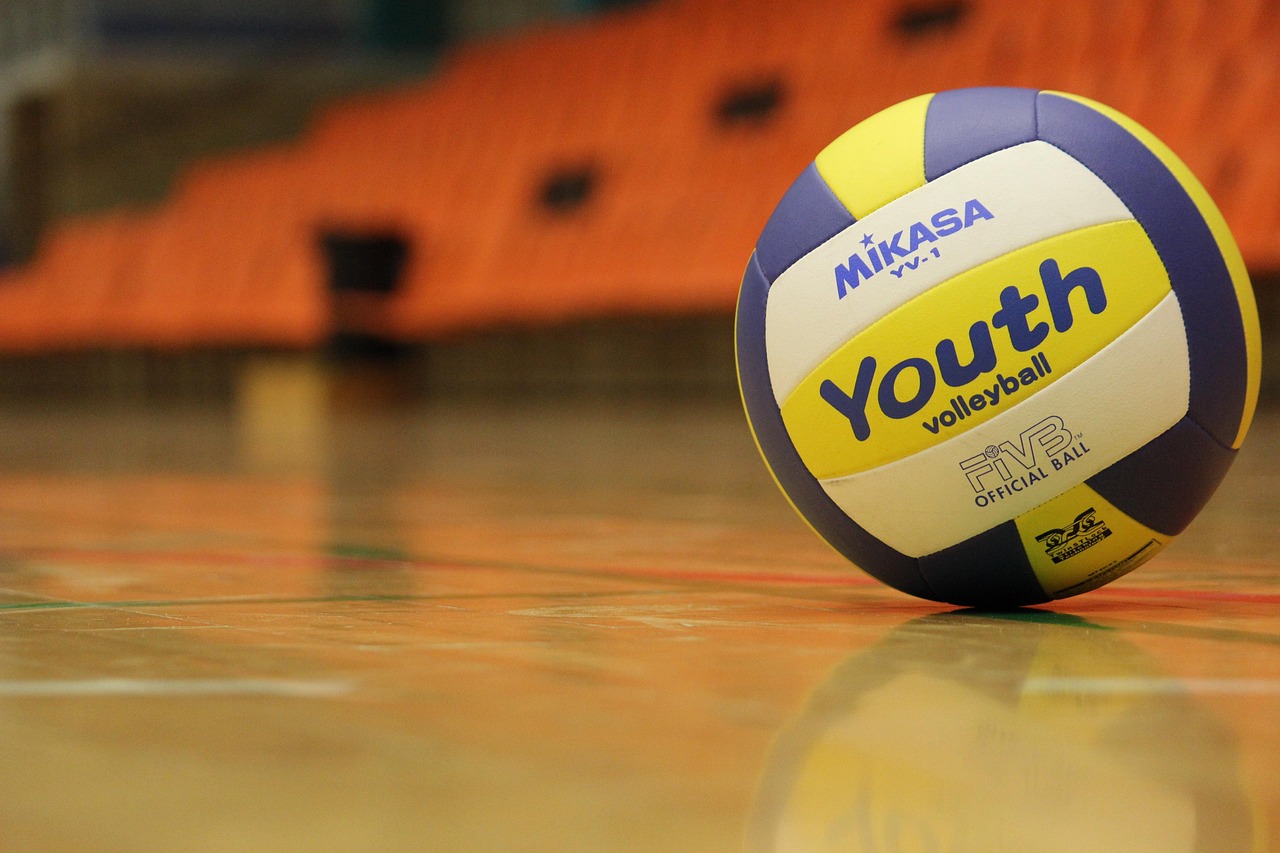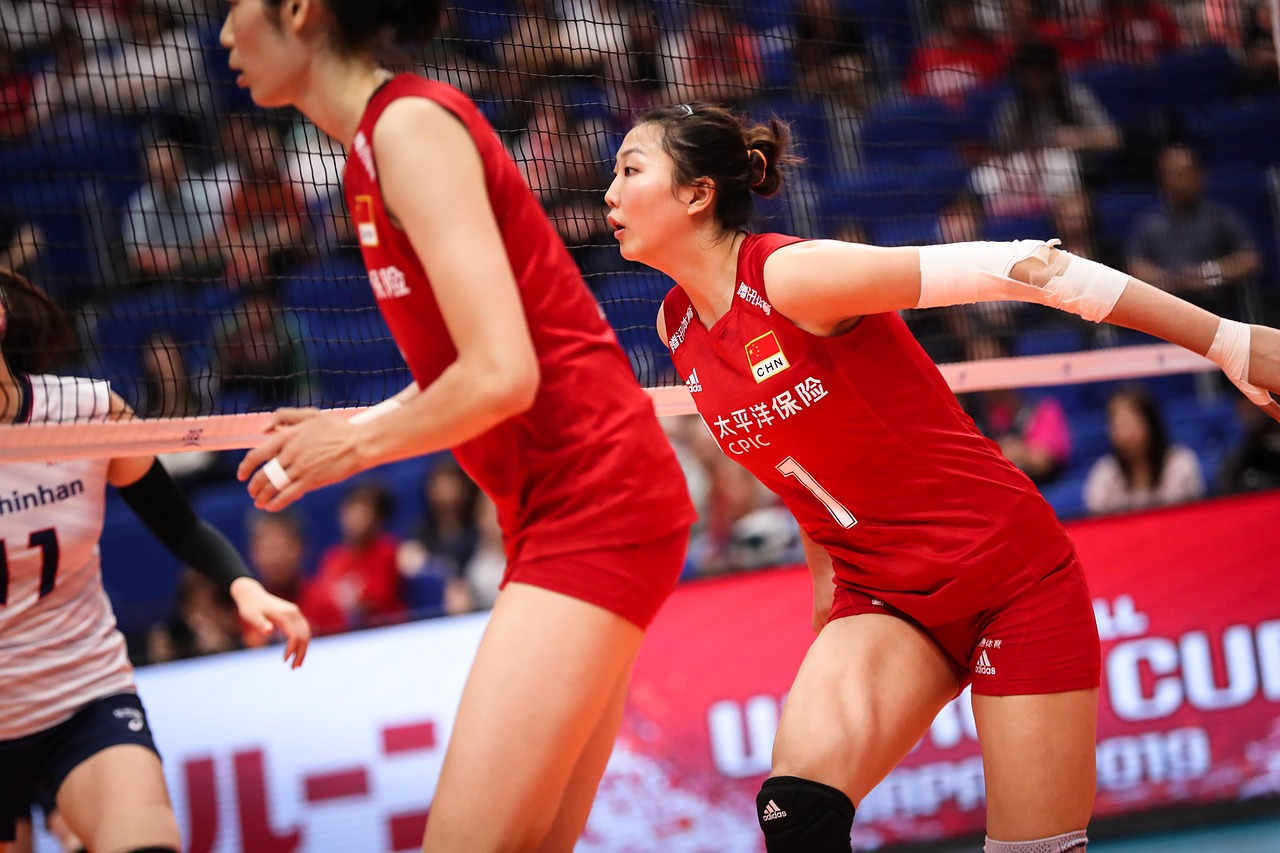
North Dakota volleyball has a different identity from coastal, club-heavy, or major-metropolitan volleyball markets. It is an indoor-first Northern Plains volleyball state, shaped by school gyms, college anchors, long travel distances, small-town rivalries, and a competitive culture that depends on toughness and continuity. Volleyball in North Dakota is not defined by beaches, professional clubs, or a large recruiting-industrial complex. It is defined by communities that know their teams, athletes who often play multiple sports, and programs that turn limited population density into disciplined competition.
That gives North Dakota volleyball a distinct feel. The game is practical, structured, and deeply tied to the school calendar. When the season arrives, volleyball becomes part of the rhythm of towns, campuses, and regional tournaments. The sport has a strong girls and women’s identity, with high school competition forming the base and college programs at North Dakota State and the University of North Dakota giving the state its most visible NCAA presence. NDSU and UND both operate active women’s volleyball programs, with NDSU competing as the Bison and UND as the Fighting Hawks.
North Dakota does not need to look like a sunbelt volleyball state to have a real volleyball culture. Its identity is built around the indoor game because that is what the climate, facilities, and school structure support. In a state where winter shapes the sports calendar, gym sports matter. Volleyball fits that environment well because it rewards repetition, communication, and team organization as much as raw athletic flash.
High School Volleyball Carries the Statewide Identity
High school volleyball is the heart of the sport in North Dakota. The NDHSAA state tournament structure gives the sport a clear competitive endpoint, with divisions that allow programs from different school sizes to compete in meaningful postseason settings. The 2025 NDHSAA Volleyball State Tournaments were scheduled for Division AA, Division A, and Division B at the Bismarck Event Center, reflecting the way the state organizes volleyball across large schools, mid-sized programs, and smaller communities.
That divisional structure is important because North Dakota volleyball cannot be understood only through its largest schools. Smaller towns are central to the state’s volleyball identity. In many communities, the volleyball team is not just another fall sport; it is a major source of school pride. Players grow up watching older athletes, then move into the same gym, the same rivalries, and the same postseason goals. That continuity gives volleyball a strong community base even when the total population is small.
The best North Dakota high school teams tend to be organized, disciplined, and difficult to break down. Because many athletes are multi-sport competitors, volleyball programs often work with players who bring basketball footwork, track explosiveness, softball arm strength, or general competitive toughness into the gym. Coaching then becomes crucial. Good programs turn athleticism into volleyball skill: passing platform discipline, setter decision-making, middle timing, pin blocking, floor defense, and serving zones.
Travel also shapes the state’s volleyball culture. North Dakota teams often have to cover significant distance for matches, tournaments, and postseason play. That creates a different kind of competitive resilience. Players learn to compete outside comfortable routines. Teams learn to manage long days, road matches, and unfamiliar gyms. In a state where geography can stretch every schedule, consistency becomes a serious competitive advantage.
North Dakota State and UND Give the Sport a College Stage
The two most visible volleyball programs in the state are North Dakota State and the University of North Dakota. Their presence matters because they give young players a higher level of volleyball to follow inside the state. NDSU, based in Fargo, provides a Division I volleyball platform tied to one of the state’s strongest athletic brands. UND, based in Grand Forks, gives the eastern part of the state another Division I volleyball identity and a campus setting with deep regional sports tradition.
NDSU’s volleyball profile has had recent competitive visibility through Summit League play. In November 2025, the Bison beat Denver in a five-set match at the Summit League Championship, a result that shows the program operating in exactly the kind of pressure environment that defines college volleyball: tight sets, serve-and-pass swings, transition points, and late-match composure.
UND gives North Dakota volleyball another important college reference point. Its Fighting Hawks program maintains an active NCAA schedule, and its presence in Grand Forks helps keep high-level volleyball visible beyond Fargo. For younger players in the state, having two Division I programs matters. It gives them a picture of what college volleyball looks like without forcing them to look only to Minnesota, Nebraska, South Dakota, or the broader Midwest.
The college programs also influence coaching language throughout the state. High school and club players who watch college volleyball learn the difference between simply putting the ball over the net and building a point. They see how serve pressure affects first contact, how middles hold blockers, how setters manage tempo, how liberos control rallies, and how disciplined teams score even when they are out of system. That visibility helps raise the volleyball IQ of the broader state.
A Volleyball Style Shaped by Discipline and Multi-Sport Athletes
North Dakota volleyball is rarely about overwhelming depth. It is about maximizing the athletes available. That produces a style of play where fundamentals matter heavily. Passing must be stable because teams may not have a long bench of elite attackers. Serving must be purposeful because free points can decide matches. Setters must be steady because offensive rhythm can disappear quickly if first contact breaks down. Defenders must be willing to extend rallies because many matches are won through patience rather than pure firepower.
This kind of volleyball can be demanding. A team may not have multiple six-foot attackers or year-round specialization across every position. Instead, successful programs build around balance. They need outside hitters who can pass and score. Middles who can close blocks and run quicks when the pass is there. Defensive specialists who can read hitters. Setters who understand when to speed up the offense and when to give their hitters a safer ball. Coaches who can teach rotation discipline and serve receive patterns without assuming players have had hundreds of club matches before they arrive.
The multi-sport nature of North Dakota athletes can be an advantage. A basketball player may understand spacing and timing. A track athlete may bring first-step quickness. A softball player may bring shoulder strength and competitive confidence. Volleyball rewards those traits once they are translated into the sport’s specific skills. The best North Dakota players often develop through that combination: general athletic toughness sharpened into volleyball technique.
Club Volleyball and the Challenge of Distance
Club volleyball exists in North Dakota, but the state’s geography makes the club model different from dense metro markets. In places like Dallas, Chicago, Atlanta, or Southern California, clubs can pull from enormous player pools and compete frequently without extreme travel. North Dakota has to build volleyball across more distance and fewer population centers. Fargo, Bismarck, Grand Forks, Minot, and other communities can support stronger pockets, but statewide depth is harder to create.
That makes access one of the central questions for North Dakota volleyball. Players in larger cities may have more training options, more tournament access, and more exposure. Players in smaller communities may depend more heavily on school coaching, local gyms, and regional events. The difference does not mean small-town players cannot become excellent. It means the pathway requires more initiative, more travel, and often more support from families and coaches.
The upside is that North Dakota volleyball can retain a strong community feel. In some states, club volleyball becomes so large and expensive that the school season feels secondary. North Dakota still has a school-centered volleyball identity, and that gives the sport a grounded base. The challenge is to add higher-level training and recruiting exposure without losing the community structure that makes the sport meaningful across the state.
The Future of Volleyball in North Dakota
The future of North Dakota volleyball depends on strengthening the bridge between school competition and higher-level development. The state already has the foundation: high school volleyball matters, the state tournament has real identity, and the college programs at NDSU and UND give players visible goals. The next stage is expanding technical development, improving offseason access, and giving more athletes a realistic path from small-town gyms to college-level volleyball.
Beach volleyball will remain limited by climate and geography, though sand training and outdoor summer play can still help athletes develop ball control. The main growth area is indoor volleyball. More clinics, stronger club connections, better coaching education, and expanded boys participation would all deepen the sport’s reach. Girls volleyball already has the stronger base, but a more complete volleyball state would eventually include more opportunities for boys and men as well.
North Dakota volleyball does not need to become a national hotbed to have a strong identity. Its value is in the way the sport fits the state: school-driven, community-aware, disciplined, and competitive. In a place where every roster spot matters and every long road trip tests a team, volleyball becomes a sport of preparation and resilience. That gives North Dakota a volleyball culture with a clear character of its own.