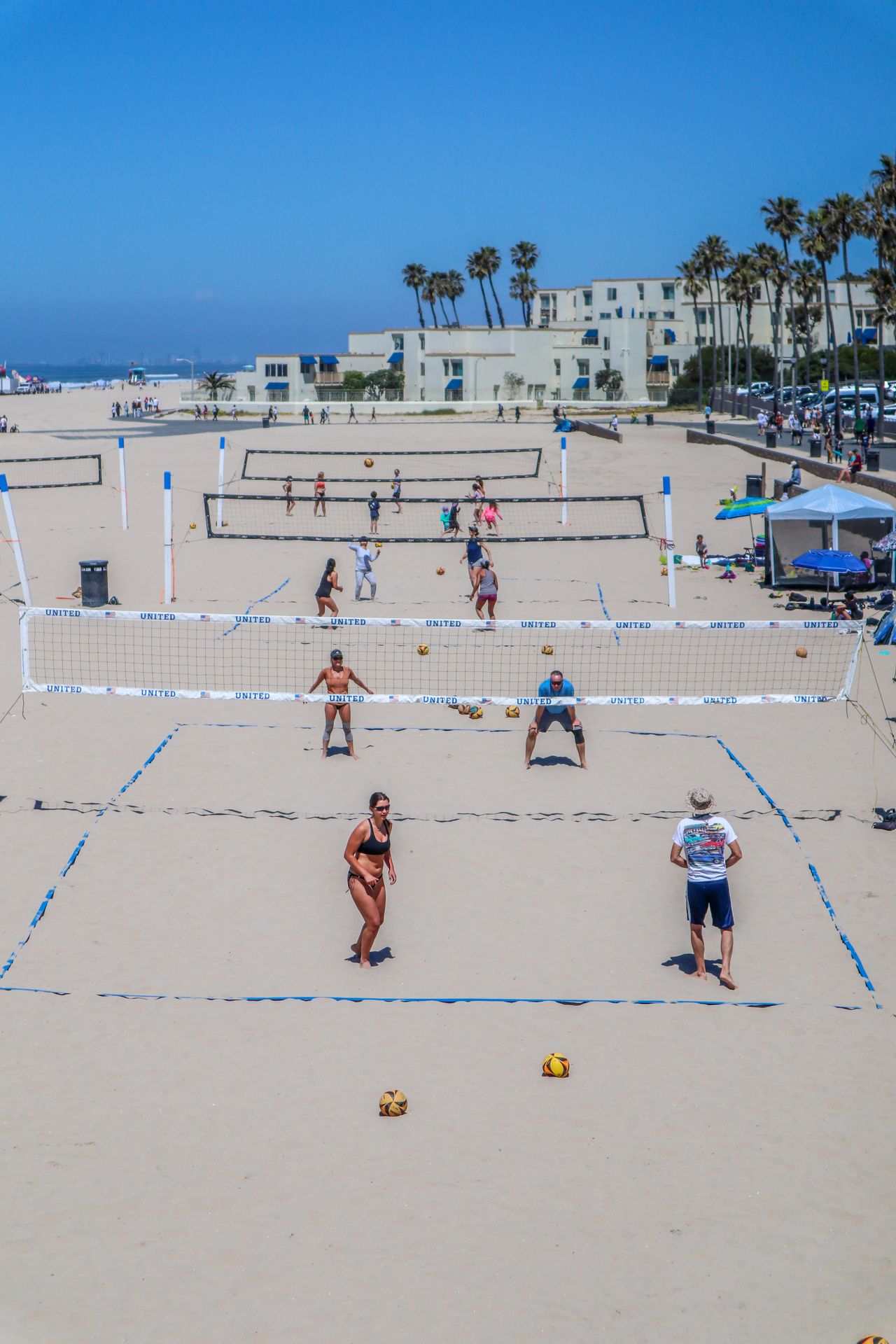
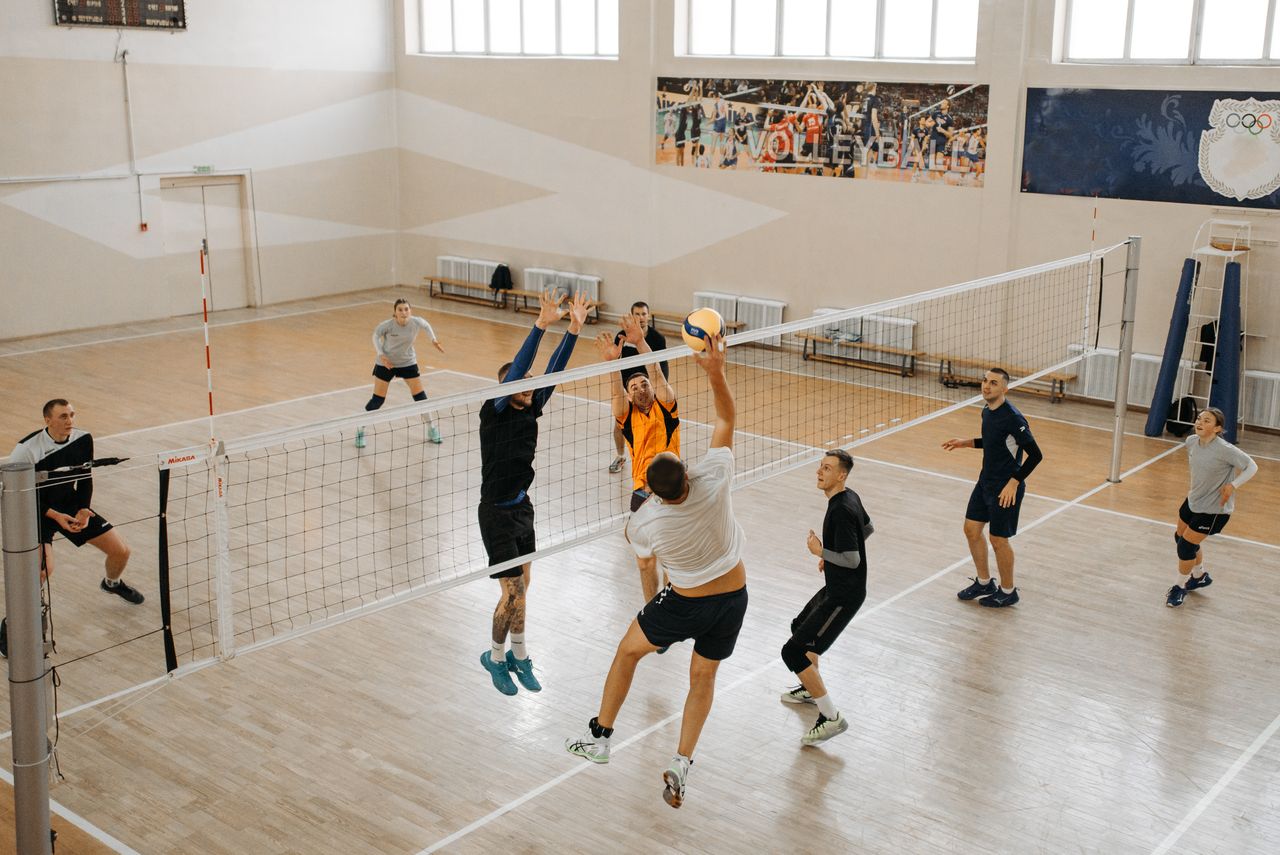
Wind as beach volleyball’s invisible opponent is one of the clearest differences between the beach game and indoor volleyball. Indoor volleyball is played in controlled conditions, where the ball’s path is shaped mostly by contact, spin, speed, and defensive positioning. Beach volleyball adds a moving environmental variable that changes the meaning of almost every touch. A serve can drift, a set can float, a pass can die short, and a defensive shot can hang long enough to become an easy transition chance. That makes wind more than background weather. It is part of the strategy, forcing players to adjust their serving, setting, attacking, and communication throughout the match.
Why Wind Changes the Beach Volleyball Court
Beach volleyball already asks players to cover more space than they would indoors. With only two players on each side, every serve receive pattern, defensive movement, and attacking choice has to account for open court. Wind makes that space harder to manage because the ball does not always travel on a predictable line.
A team playing into the wind often has to hit with more margin. Serves may slow down or drop early. High sets can stall. Deep shots may come up short. A team playing with the wind has the opposite problem: balls can carry long, especially on serves, free balls, and roll shots. Crosswinds can be even more difficult because they move the ball sideways while players are already trying to judge depth, timing, and angle.
This is why experienced beach players pay close attention to conditions before and during a match. They watch flags, feel the direction of the breeze, test the ball in warmups, and adjust from one side switch to the next. On the beach, the court is not exactly the same from both ends, and the wind can make one side play very differently from the other.
How Wind as Beach Volleyball’s Invisible Opponent Shapes Strategy
The serve is one of the clearest places where wind becomes tactical. A float serve can become more dangerous because the ball already moves unpredictably without spin. In windy conditions, that movement can become harder to read, forcing receivers to make late adjustments with their feet and platform. Some players serve higher into the breeze to make the ball drop sharply. Others serve flatter with the wind, trying to rush the passer before the ball carries too far.
Setting also changes. Beach volleyball already relies heavily on clean, reliable sets in difficult conditions. Wind makes high hand sets and bump sets more vulnerable, especially when the ball stays in the air long enough to drift. Setters may choose lower, faster sets to reduce exposure to the wind, or they may move the ball farther inside the court to avoid giving hitters a ball that blows toward the antenna or over the net.
Attacking becomes a test of control. Power still matters, but windy matches often reward players who can hit with range: roll shots, cut shots, pokes, high line shots, and controlled swings into open space. A hitter who only attacks hard can become easier to defend when the wind takes away clean timing. A hitter who can use the wind, rather than simply fight it, can turn difficult conditions into pressure.
The Players Who Learn to Win the Weather
Wind gives beach volleyball part of its identity. It rewards teams that communicate constantly and adapt quickly. Players have to talk about serve targets, set height, shot selection, and defensive responsibilities because the same play can behave differently a few points later. A smart team will change its plan depending on the side, the wind direction, and the opponent’s comfort level.
It also makes patience more valuable. Windy matches can produce errors that would look unusual indoors, but beach volleyball is built around managing imperfect conditions. The best players stay disciplined when the ball moves late or when a clean-looking play turns awkward. They keep enough margin on shots, serve with purpose, and avoid letting frustration turn one bad read into several rushed decisions.
That is why wind is not just an obstacle. It is a separator. It reveals which teams can solve the match in real time.
Wind as beach volleyball’s invisible opponent gives the sport much of its outdoor character. It changes the ball, the court, and the decisions players make under pressure. Beach volleyball is not played against the other team alone. It is played against space, sand, sun, and wind, with every point asking players to adjust again.