Honduras has one of the more interesting emerging volleyball profiles in Central America because its recent story is tied directly to youth development, federation investment, and improved regional competitiveness. It is not a global volleyball power, but it has begun to appear more seriously in age-group and zonal competition, especially on the girls’ and women’s side. The country’s identity is built around organized development, Central American competition, and a national federation that has benefited from FIVB Volleyball Empowerment support.
A Central American Program Building Through Youth
The clearest strength in Honduras volleyball is the youth pipeline. FIVB reported that Honduras’ U15 girls became zonal volleyball champions, with the national federation receiving significant Volleyball Empowerment coach support and equipment support. That kind of age-group result matters because it shows that the country’s volleyball work is not limited to senior teams. It is reaching younger players, where long-term technical habits are formed.
For Honduras, the youth game is especially important because volleyball development depends on repetition. Players need years of serve receive, blocking footwork, transition movement, defensive positioning, and attacking mechanics before senior results become realistic. A strong U15 or U17 group does not automatically create a senior national-team breakthrough, but it does signal that the federation is building at the right level.
Indoor Volleyball and the Federation’s Role
Indoor volleyball is the central competitive form in Honduras. The country’s progress is tied to federation-led coaching, national-team preparation, and Central American tournament exposure. FIVB has reported multiple rounds of Volleyball Empowerment support for the Honduran federation, including coaching support for national teams and equipment support. Brazilian-Japanese coach Marcos Sugiyama was noted as leading Honduran teams in an Empowerment project running from February 2024 through January 2025.
That coaching support is significant because Central American volleyball often turns on technical margins. Against stronger regional opponents, teams need cleaner passing, faster offensive decisions, disciplined blocking schemes, and fewer unforced errors from the service line. Better coaching can raise the floor quickly, especially in age-group volleyball where athletes are still learning how to organize points under pressure.
Competitive Progress in the Region
Honduras’ women’s volleyball has shown signs of regional progress. In 2023, FIVB reported that Honduras reached the final day of a zonal event unbeaten before losing to Costa Rica in a deciding match and taking silver. The same report noted that Honduras had not reached that podium since 1997.
That result gives Honduras a useful reference point. Costa Rica, Guatemala, Nicaragua, El Salvador, and other regional opponents create a realistic competitive ladder. Honduras does not need to compare itself immediately with the United States, Dominican Republic, Brazil, or other major volleyball nations. Its first task is to become a consistent Central American contender. Podium finishes, age-group success, and stronger hosting roles all contribute to that process.
Hosting, Events, and Volleyball Visibility
Hosting events can also raise the country’s volleyball profile. Tegucigalpa has appeared as a host site for NORCECA age-group competition, including the 2026 NORCECA Girls U17 Pan American Cup listed by USA Volleyball. NORCECA also listed Tegucigalpa as the host for the first edition of the Girls’ U17 Continental Championship in 2023, where World Championship qualification places were available.
Hosting matters because it gives local athletes, coaches, and fans direct exposure to higher-level volleyball. Younger players can see the speed of the game, the serving pressure, the defensive range of elite liberos, and the physicality of outside hitters and middles. Those events can also help normalize volleyball as a serious competitive sport inside the country.
Beach Volleyball and the Outdoor Game
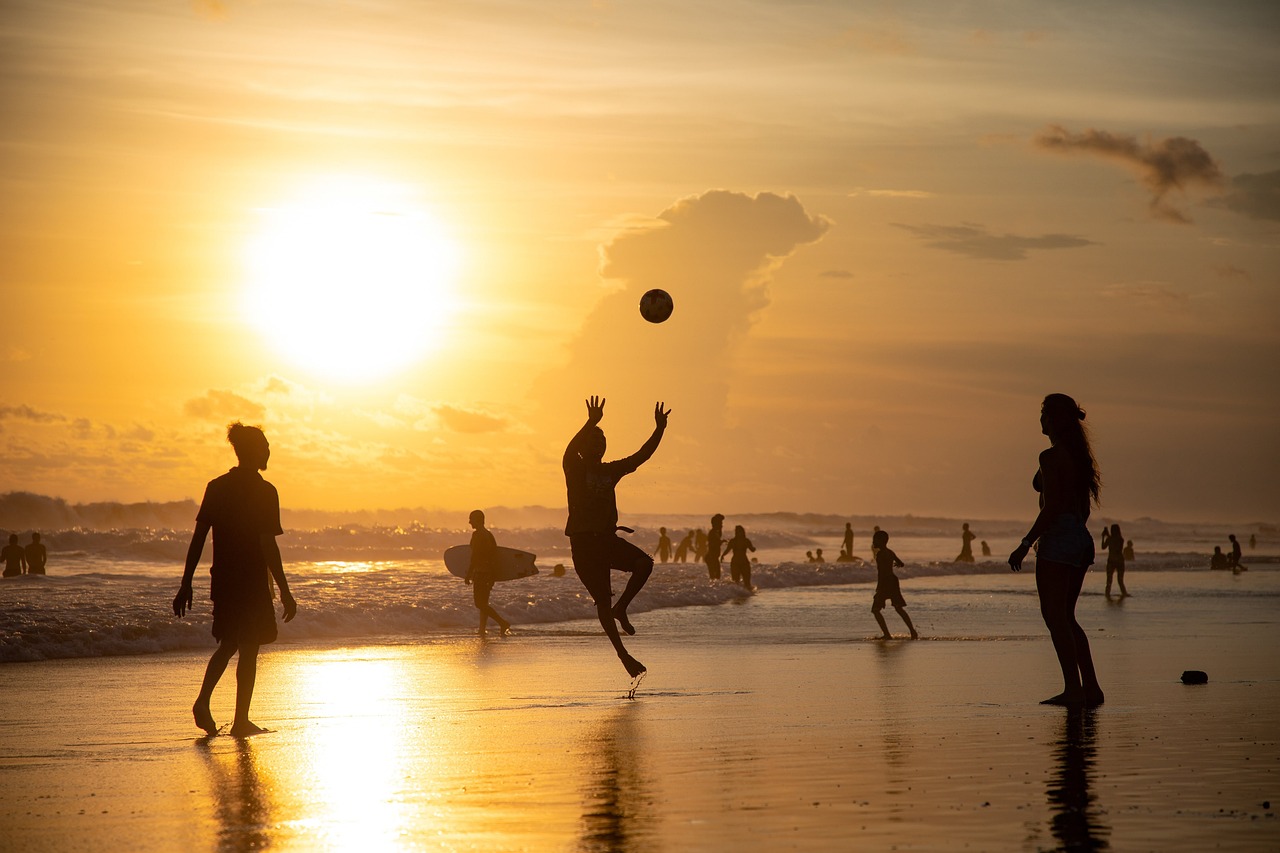
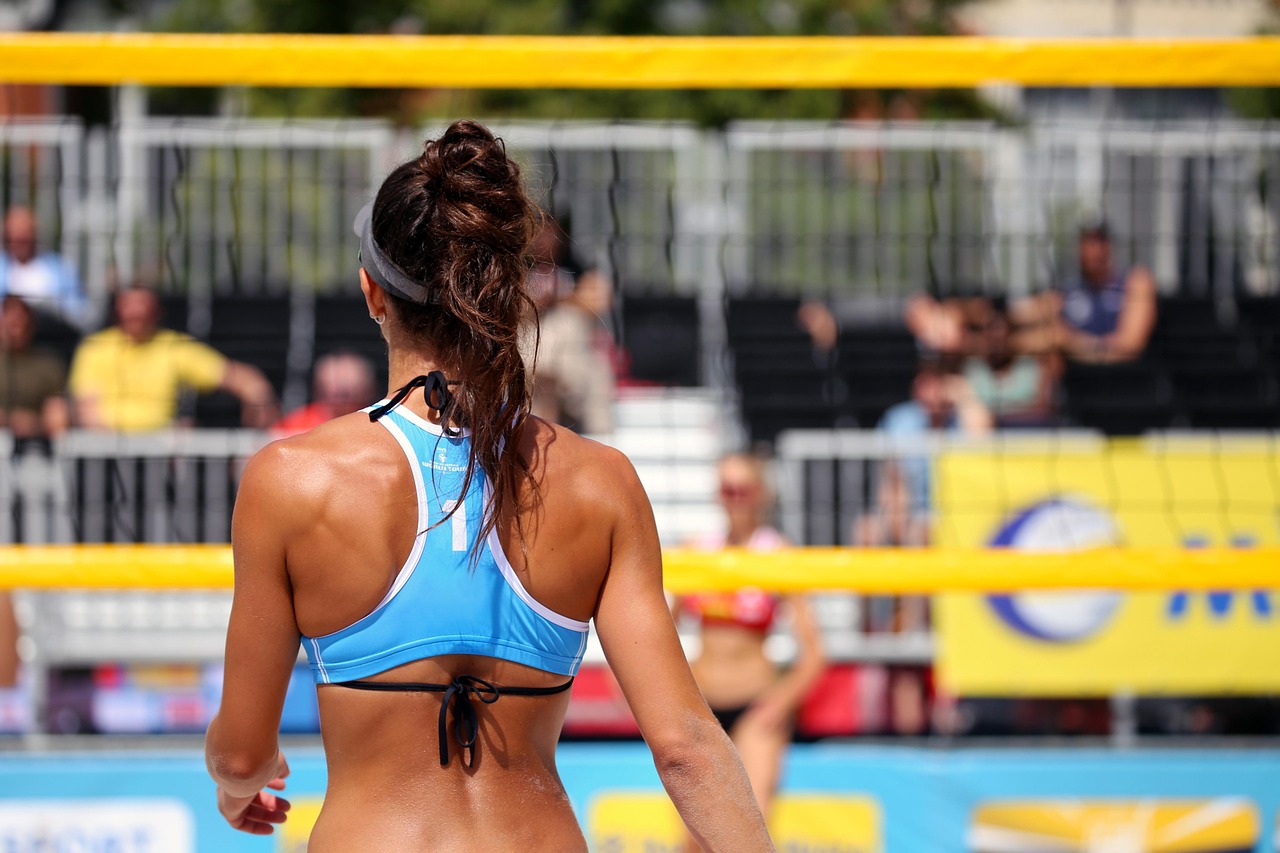
Honduras also has a beach volleyball component, helped by its Caribbean coastline. Puerto Cortés hosted a 2025 NORCECA Beach Volleyball Continental Tour stop, giving the country a role in the regional beach calendar.
Beach volleyball can be especially valuable for Honduran development because it produces versatile players. Athletes must serve, pass, set, attack, block or defend, and make tactical choices in every rally. Even players who remain primarily indoor athletes can benefit from beach training because it sharpens touch, reading, and conditioning.
Honduras Volleyball’s Next Stage
Honduras volleyball is moving in the right direction when judged by its current level: youth success, external coaching support, regional podiums, and event hosting. The next challenge is conversion. The country needs to turn age-group results into senior-team depth, keep more players active through late adolescence, and continue improving coaching standards across the system.
The profile is still emerging, but it is no longer empty. Honduras has a real volleyball development story, especially on the girls’ and women’s side. If the federation keeps building around youth teams, regional competition, and coaching quality, Honduras can become a more consistent Central American volleyball presence.