Belize has a distinct volleyball identity because it sits between the Caribbean and Central American sporting worlds. Geographically and culturally, it has coastal and Caribbean influences, but competitively its volleyball structure is tied strongly to Central America through AFECAVOL, while also belonging to NORCECA and the global FIVB system. That gives Belize a different profile from the island nations around it. Its volleyball future is not only about Caribbean regional play; it is also about Central American competition, federation development, youth championships, and building a deeper national player base.
The Belize Volleyball Association describes itself as the national federation for both volleyball and beach volleyball in Belize, affiliated with the FIVB since 1984 and a member of NORCECA and AFECAVOL. That structure is important because it gives Belize a defined competitive ladder. The country can measure itself through Central American events, NORCECA pathways, youth championships, and beach volleyball opportunities, rather than relying only on occasional local competition.
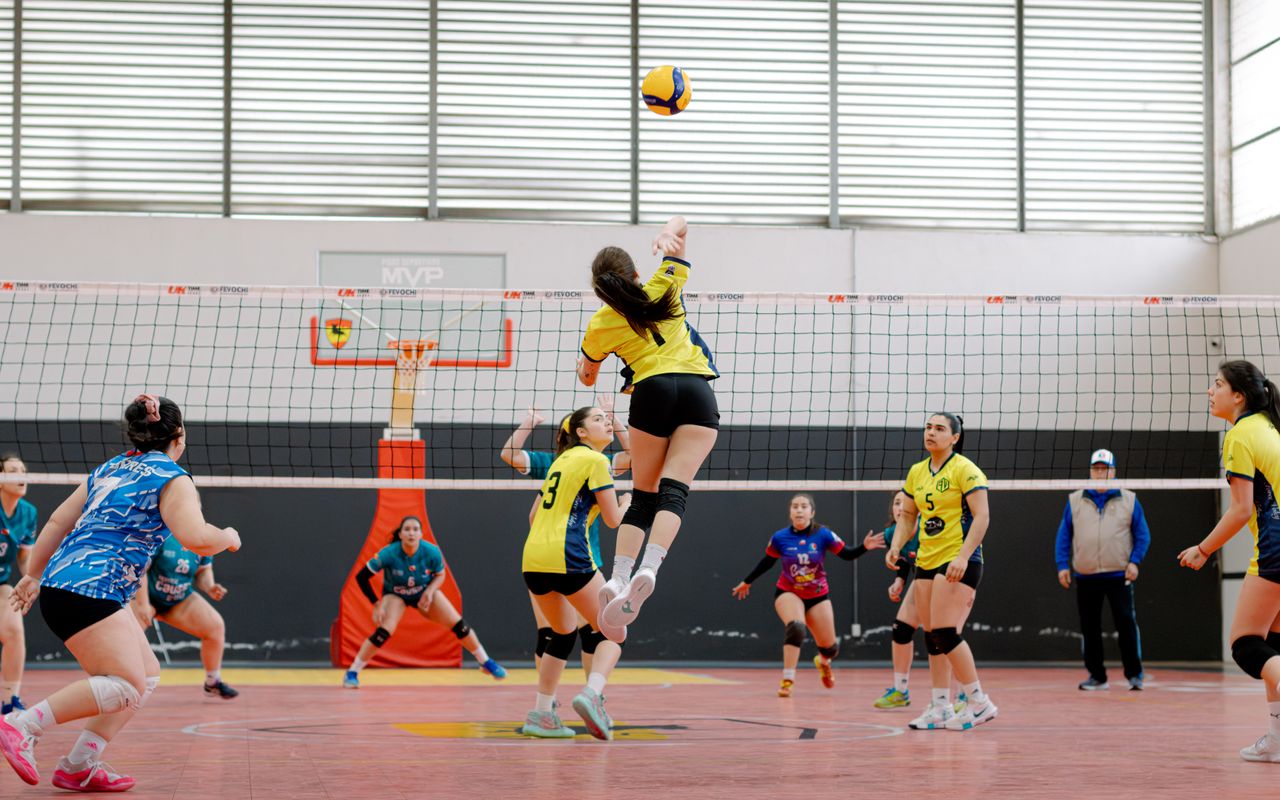
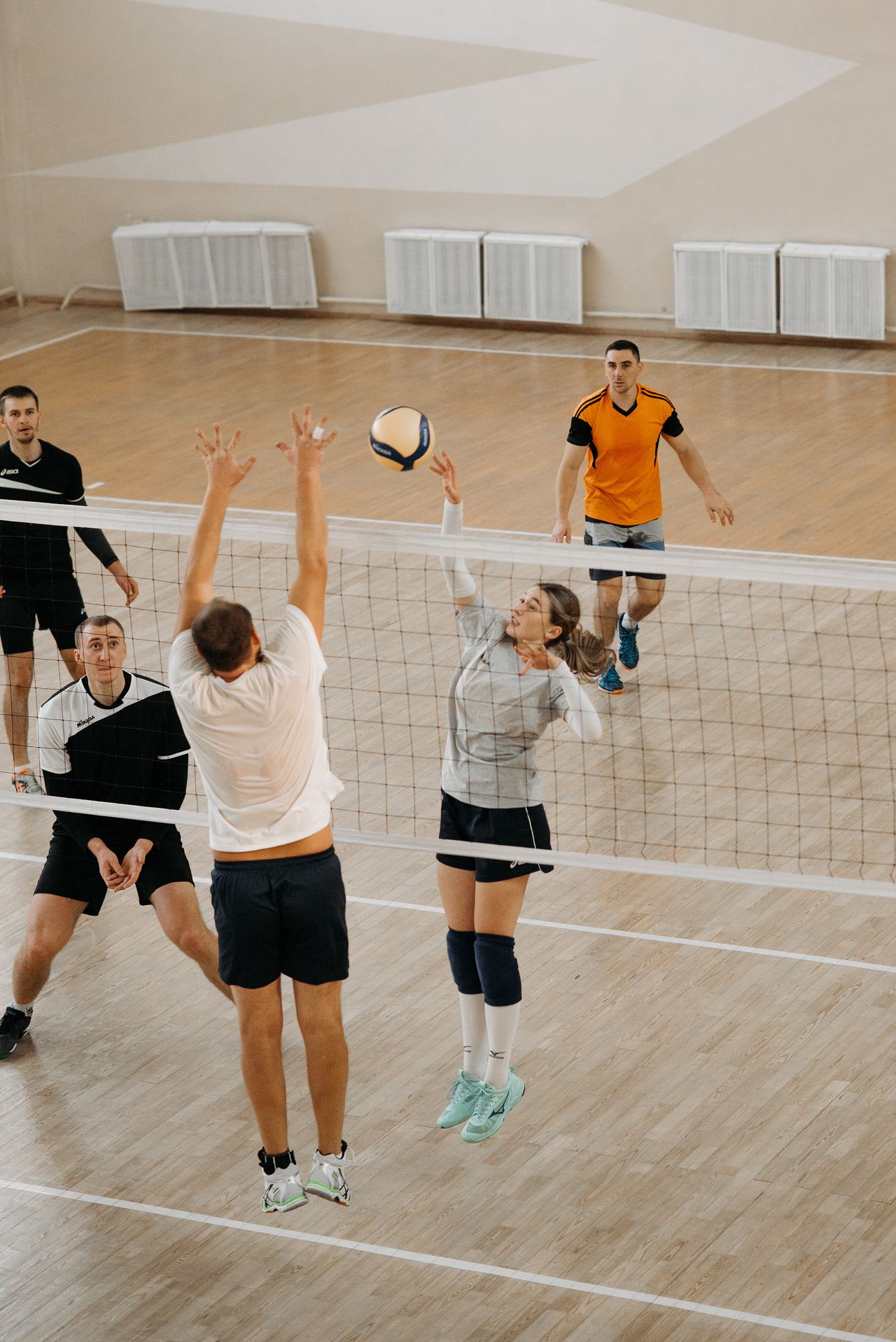
Indoor volleyball is the core of the Belizean scene. The sport depends on schools, clubs, national tournaments, and federation-led activity to identify and develop players. Belize does not have the scale of a major volleyball nation, so depth is always a central issue. Producing a good starting group is one challenge; producing enough setters, liberos, middles, opposite hitters, and outside hitters to sustain a program across age groups is another. The best path for Belize is a broad participation base feeding a more selective national-team structure.
Belize also has a useful beach volleyball opportunity. The country’s coastline and tourism profile make outdoor volleyball a natural fit, but competitive beach volleyball requires more than recreational play. It needs pairs that understand serving zones, defensive systems, transition setting, blocking decisions, wind management, and the endurance demands of two-player volleyball. For Belize, beach volleyball can be valuable because it allows a small country to develop internationally competitive athletes without needing the same roster depth required indoors.
The player pathway in Belize is the central story. The sport needs consistent age-group competition, coaching education, and events that keep athletes engaged after school. National youth championships and federation programming are especially important because they create a visible ladder for players. When young athletes can see a route from school volleyball to club competition, then to national youth events, senior national teams, or beach volleyball, the sport gains structure. Without that ladder, volleyball remains vulnerable to losing athletes to other sports or to inconsistent competition.
Belize’s competitive reputation is still developing, but that does not make the scene insignificant. In smaller volleyball countries, progress is often measured by organization before medals. A country that strengthens coaching, hosts regular national events, sends teams into regional competition, and builds both indoor and beach programs is building the foundation required for future results. Belize’s membership in AFECAVOL gives it a practical regional environment where improvement can be tested against nearby countries facing similar development realities.
The future of volleyball in Belize depends on continuity. The country has the official federation structure, regional affiliations, and dual indoor-beach identity needed to grow. The next step is turning those pieces into a deeper system: more youth participation, better coaching, stronger national championships, more beach-specific training, and clearer pathways from local gyms to regional competition. Belize volleyball is still an emerging national project, but it has a coherent place in Central American and NORCECA volleyball.