Malawi’s volleyball identity is that of an emerging African volleyball country trying to build stronger national systems around schools, clubs, coaching, and federation leadership. It is not yet one of the continent’s established powers, but the sport has a clear organizational base through the Volleyball Association of Malawi, which is affiliated with CAVB and FIVB.
That structure gives Malawi a real platform. In countries where volleyball is still developing, the federation’s ability to organize competitions, train coaches, support national teams, and keep players connected to the sport often matters more than any single result. Malawi’s volleyball future depends on whether that structure can turn participation into performance.
Indoor Volleyball as the Core of the Game
Indoor volleyball is the main competitive version of the sport in Malawi. The country’s volleyball culture is built around school gyms, community programs, institutional teams, and national federation activity rather than a large commercial club league. That gives the sport a practical but challenging development path. Players can enter the game through school or local competition, but the climb toward national-team standard requires better coaching, more matches, and stronger technical instruction.
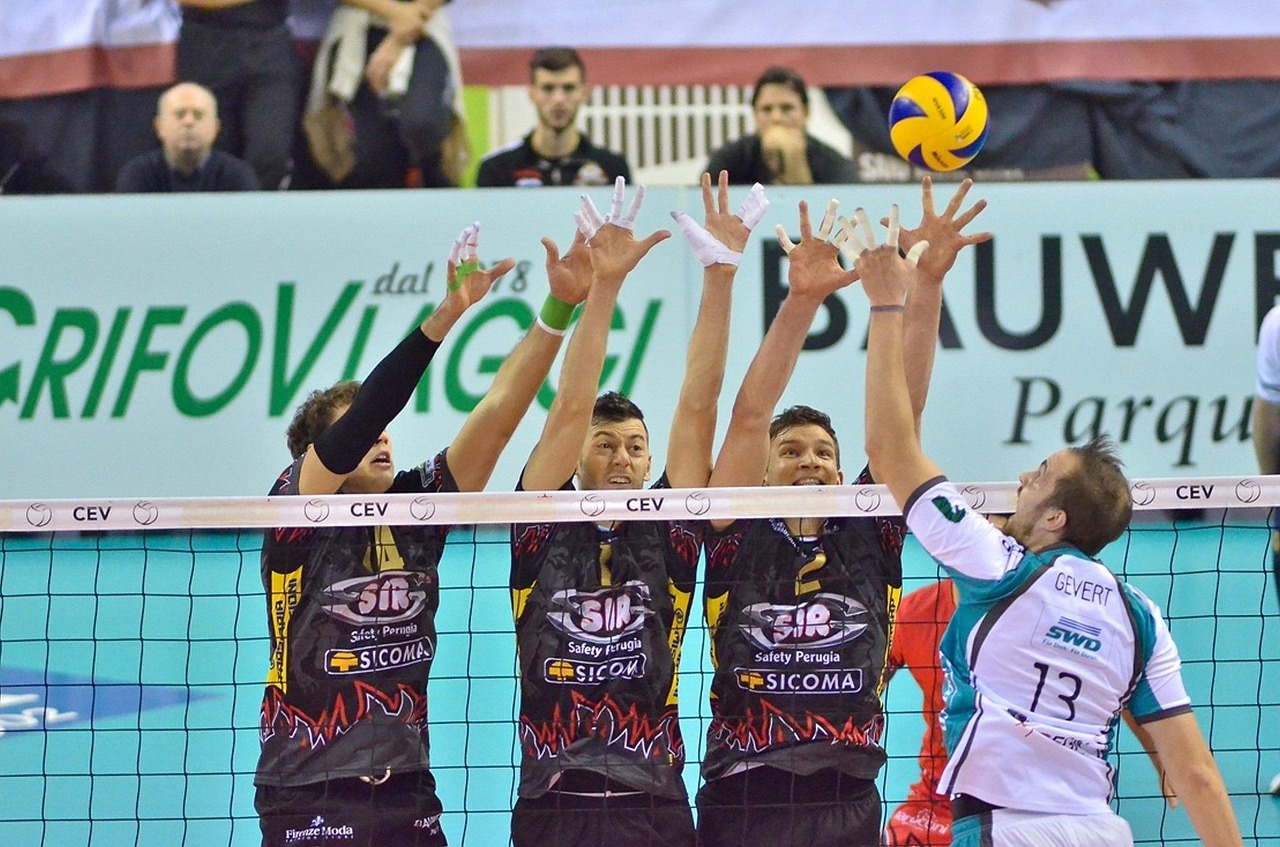
For Malawi, the key volleyball skills are not just athletic. The country needs systems that help players learn serve receive, blocking footwork, setter decision-making, transition offense, and backcourt defense earlier in their development. In emerging volleyball nations, the largest gap is often tactical speed: players may have ability, but they need repeated exposure to higher-level systems to read the game quickly.
This is where federation-backed training becomes important. FIVB highlighted Malawi’s use of the Volleyball Empowerment programme, with national federation leadership describing it as a source of hope for transforming Malawian volleyball. That kind of support matters because it can improve the coaching layer, and the coaching layer is what turns occasional talent into a real pipeline.
National Teams, Identity, and Regional Competition
Malawi’s national teams are part of the country’s effort to create a more visible volleyball identity. In 2026, CAVB reported that the Volleyball Association of Malawi officially introduced “The Infernos” as the identity for its national teams. A team name alone does not create volleyball success, but it does help signal a more deliberate attempt to market the sport, build recognition, and give athletes a clearer national platform.
Regional competition is essential for Malawi. African volleyball is highly uneven, with established countries such as Egypt, Tunisia, Cameroon, Kenya, Morocco, and Algeria operating at a much higher level than many developing programs. For Malawi, progress is more realistically measured first against regional opponents, then through improved performances in continental qualification and age-group events.
A stronger national-team program also helps domestic volleyball. When young players can see a route from school or club volleyball to national representation, the sport gains credibility. That route is especially important in a country where football dominates public attention.
Youth Development and the Need for Depth
Malawi’s most important volleyball challenge is depth. The country needs more players receiving regular coaching, more girls and boys staying in the sport beyond school age, and more competitive matches that force technical improvement. A national program cannot depend only on a small group of senior athletes. It needs underage competition, teacher-coaches, club administrators, referees, and tournament organizers.
Women’s volleyball may be an especially important growth area because volleyball can develop strongly through schools when there are clear pathways and visible competitions. Men’s volleyball also has room to grow if club structures can create regular training and sharper domestic competition.
Where Malawi Volleyball Is Heading
Malawi volleyball is moving through a development phase where organization matters as much as talent. The country’s next step is to make volleyball more stable: more regular competitions, better coaching education, stronger national-team preparation, and broader youth participation.
The sport’s ceiling will depend on whether Malawi can turn federation initiatives into everyday volleyball habits. If more players train consistently, if coaches receive better support, and if national teams compete more often, Malawi can build a stronger position in African volleyball. For now, its identity is clear: an emerging volleyball country with a serious need for structure, patience, and a wider player base.