Seattle’s volleyball identity is built around depth rather than spectacle. It is a major urban volleyball market with strong school participation, club competition, college influence, adult leagues, beach and outdoor play, and a broader Pacific Northwest sports culture that values technical skill, community, and year-round athletic commitment. Seattle is not usually described as one of America’s loudest volleyball cities, but its scene is serious, layered, and durable.
The city’s volleyball profile reflects its geography and personality. It has indoor volleyball shaped by schools, clubs, universities, and gyms. It has beach and grass volleyball shaped by lakes, parks, summer weather, and an active outdoor population. It has adult recreational volleyball supported by a large population of young professionals and former athletes. It has access to strong regional competition across Washington, Oregon, British Columbia, and the broader West Coast.
Seattle’s volleyball identity is best understood as a hybrid scene. It is not purely a beach city, not purely a college town, and not purely a youth club market. It is all of those things in different proportions.
Indoor Volleyball and the Pacific Northwest Style
Indoor volleyball in Seattle is anchored by school and club systems. The girls’ game has a particularly strong foundation, with high school volleyball serving as the most visible competitive entry point for many athletes. Club volleyball then extends the season and raises the level. Serious players move into more advanced training environments where serve receive, defensive discipline, attacking range, and positional specialization become central.
The Pacific Northwest tends to produce thoughtful, well-trained volleyball players. Seattle’s best athletes are often shaped by a technical style that values control and adaptability. The weather and indoor sports culture help keep gym volleyball relevant for much of the year. Players learn to compete in structured environments, with an emphasis on passing quality, smart setting, and disciplined defense.
Seattle also benefits from the strength of volleyball across Washington as a whole. The state has produced high-level college players, strong high school programs, and competitive clubs. The presence of major universities in the region gives younger players a visible performance standard. College volleyball matters in Seattle because it shows athletes what the sport can become when technical training, physical development, and tactical intelligence come together.
College Volleyball and Regional Ambition
Seattle’s volleyball culture is influenced by the University of Washington and the broader college volleyball landscape of the Pacific Northwest. Washington has had national relevance in women’s college volleyball, and that success has helped raise the sport’s profile in the region. A strong college program does more than win matches. It creates a local standard. Young players can watch elite setters run an offense, liberos control the backcourt, middles close blocks, and pin hitters manage high-pressure swings.
That college presence gives Seattle volleyball a serious tone. It makes the sport feel connected to something bigger than local participation. For ambitious athletes, the pathway from school to club to college is visible. For fans, college volleyball provides a high-level spectator version of a sport that many people first encountered in a gym class, school team, or recreational league.
Seattle’s regional ambition also comes from its position on the West Coast. Volleyball players in the city are not isolated. They are connected to tournaments and recruiting circuits that extend through the Pacific Northwest, California, and beyond. That matters for development. A player who wants to reach a higher level must eventually face athletes with different styles, faster offenses, bigger blocks, and more physical serving pressure. Seattle’s best players are formed by that regional competition.
Beach, Grass, and Summer Volleyball
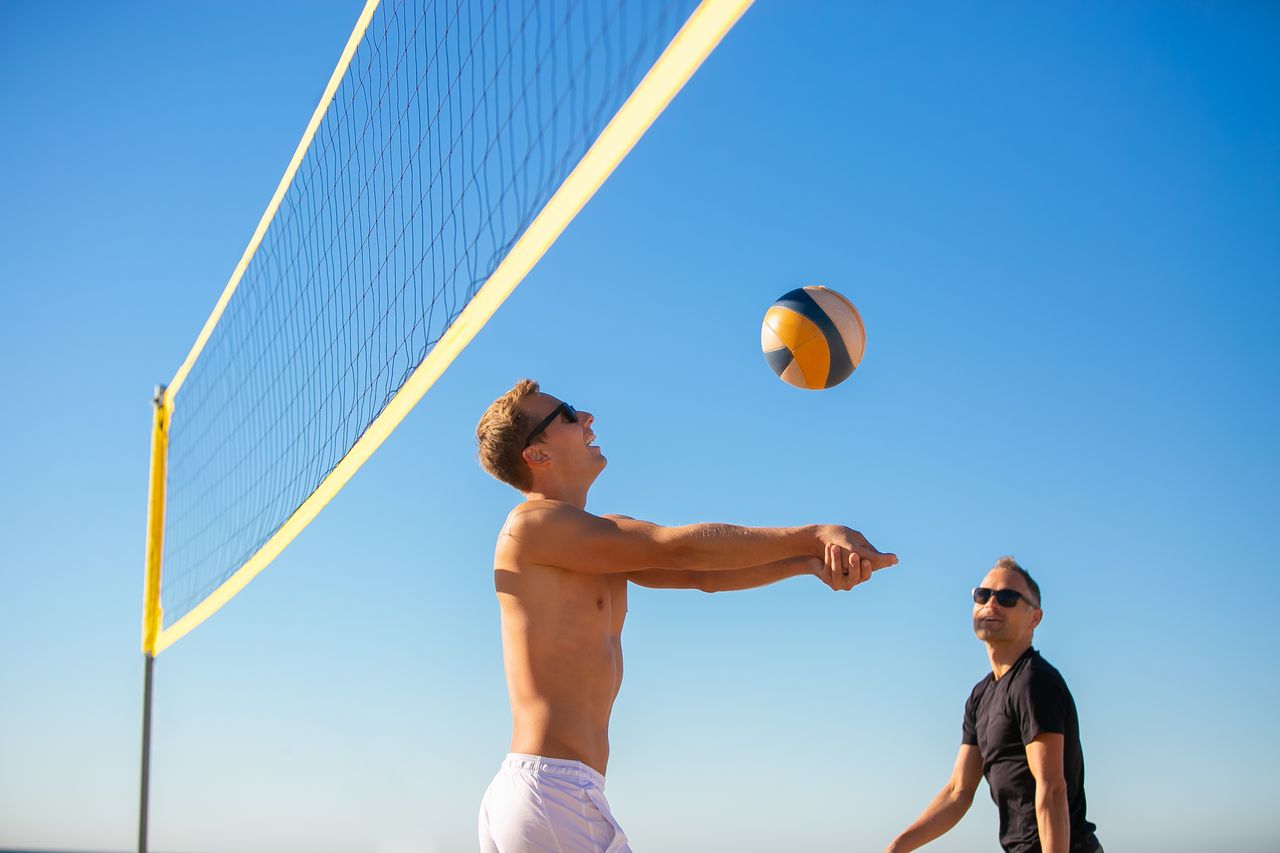
Seattle is not a year-round beach volleyball city in the Southern California sense, but outdoor volleyball is still important to its identity. The city’s lakes, parks, summer waterfront culture, and active population create a strong seasonal outdoor scene. Beach and grass volleyball fit the city’s rhythm. When the weather opens up, volleyball moves outside.
Outdoor play gives Seattle volleyball a different texture. Indoor volleyball is structured, system-based, and coach-driven. Beach and grass volleyball are more player-driven. Athletes have to read the court, manage imperfect touches, communicate constantly, and solve problems without a full six-player system around them. That kind of play can sharpen instincts. It also gives adult players a way to stay connected to the sport after school or college.
Seattle’s outdoor volleyball culture also reflects the city’s broader recreational personality. People hike, bike, run, paddle, climb, and play team sports around demanding work and school schedules. Volleyball fits that lifestyle because it can be competitive without being inaccessible. A player can join a serious league, play grass doubles, compete in summer tournaments, or find recreational games through community networks.
Adult Volleyball and Urban Community
One of Seattle’s strongest volleyball assets is its adult participation base. Large metro areas with educated, mobile, young professional populations often sustain strong recreational sports scenes, and Seattle fits that pattern. Former high school and college players do not simply disappear from the sport. Many continue through indoor leagues, sand leagues, open gyms, workplace teams, and social tournaments.
Adult volleyball matters because it keeps the sport visible beyond youth development. It also creates a broader community around the game. A city with strong adult volleyball can support coaches, officials, facilities, clinics, and informal networks that help the youth scene as well. Players who stay involved as adults often become parents, coaches, referees, organizers, or mentors. That continuity is part of what makes a volleyball city durable.
Seattle’s adult scene also helps bridge skill levels. Recreational players, former college athletes, competitive club alumni, and new participants can all find versions of the game that fit. That range is important in a city where people arrive from different regions and backgrounds. Volleyball becomes one of the sports through which newcomers can enter the local community.
The Future of Seattle Volleyball
Seattle volleyball is positioned to remain one of the more complete scenes in the Pacific Northwest. Its strength is not one narrow identity. It has school volleyball, club development, college visibility, outdoor play, and adult competition. That balance gives the sport resilience. If one part of the scene changes, the others still keep volleyball active.
The growth areas are clear. Boys’ volleyball has room to expand. Beach volleyball can continue to grow as more athletes treat it as both a serious discipline and a complement to indoor play. Youth clubs will remain central for players chasing college opportunities. Adult leagues will continue to make volleyball part of the city’s social and recreational life.
Seattle’s volleyball culture is built on steady seriousness. It is technical, regional, community-based, and connected to the outdoors without being defined only by the beach. The city’s best volleyball identity is the combination of gym discipline and Northwest athletic culture: players who train indoors through the gray months, move outside when summer arrives, and keep the sport alive across schools, clubs, colleges, parks, and adult leagues.