Louisiana volleyball has a different identity from many inland Southern states. It is not built around one dominant indoor college program or a single statewide pipeline. Louisiana is a hybrid volleyball state, with traditional indoor volleyball anchored by high schools and universities, while beach volleyball gives the state its clearest national-level profile.
That split makes Louisiana more interesting than it first appears. Indoor volleyball remains the foundation for most players. It is where athletes learn the game, compete for schools, join clubs, and build the skills that carry them into college opportunities. But Louisiana’s national volleyball visibility is increasingly tied to the sand, especially through LSU beach volleyball and the wider beach-college scene around Baton Rouge and New Orleans.
The state’s climate, Gulf Coast geography, and strong college-sports culture give volleyball several different entry points. A player in Louisiana may come through a Catholic school gym in New Orleans, a public school program in Lafayette, a club team in Baton Rouge, a university indoor roster, or a beach program that competes nationally. The result is a volleyball culture that is still developing but already has a distinctive shape.
Beach Volleyball Gives Louisiana a National Edge
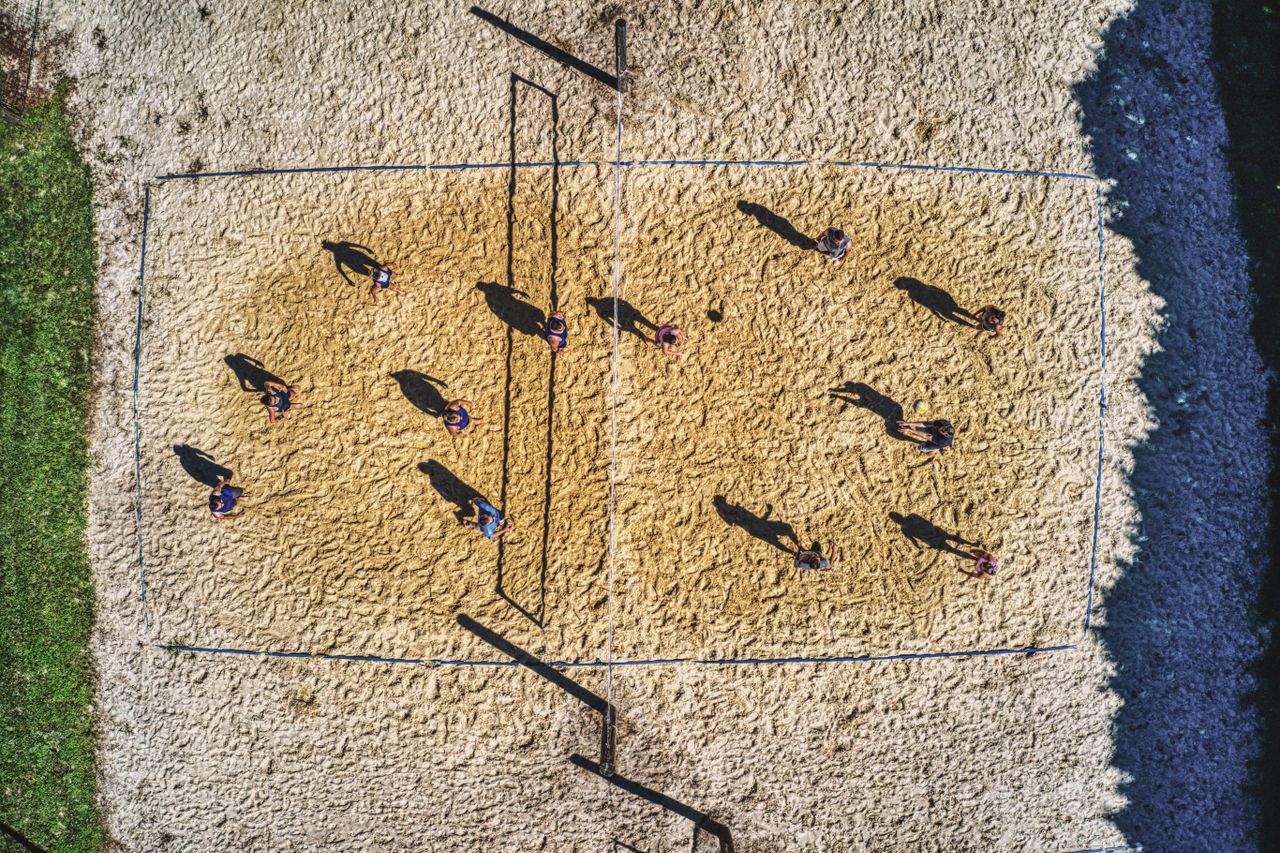
The most nationally recognizable volleyball program in Louisiana is LSU beach volleyball. That matters because beach volleyball has become one of the fastest-growing college sports in the country, and LSU has positioned itself as a serious national player. Baton Rouge is not a coastal beach town in the classic volleyball sense, but LSU has helped prove that elite beach volleyball does not have to be limited to California, Florida, or Hawaii.
LSU’s beach program has given Louisiana a place in the NCAA beach volleyball conversation. The Tigers have developed pairs capable of competing against the sport’s strongest programs, including USC, UCLA, Florida State, Stanford, TCU, and other national contenders. That level of competition changes the state’s volleyball reputation. Louisiana may not be known as a traditional beach volleyball hotbed, but LSU has made the state relevant in the college beach game.
Tulane also strengthens that identity. New Orleans gives Louisiana a natural beach-volleyball connection even without the same visual association as Southern California or the Florida coast. Tulane’s program, along with other college beach teams in the state and region, creates more opportunities for athletes who want to play on sand at the NCAA level. The presence of multiple college beach programs gives Louisiana volleyball a pathway that many states still lack.
Beach volleyball also fits Louisiana’s climate. The outdoor season can stretch longer than in colder states, and sand training gives athletes a different kind of development: ball control, reading, communication, conditioning, and the ability to manage every phase of the game without specialization. For indoor players, that can translate into better all-around skill. For beach-first athletes, it creates a separate competitive identity.
Indoor Volleyball Still Carries the Participation Base
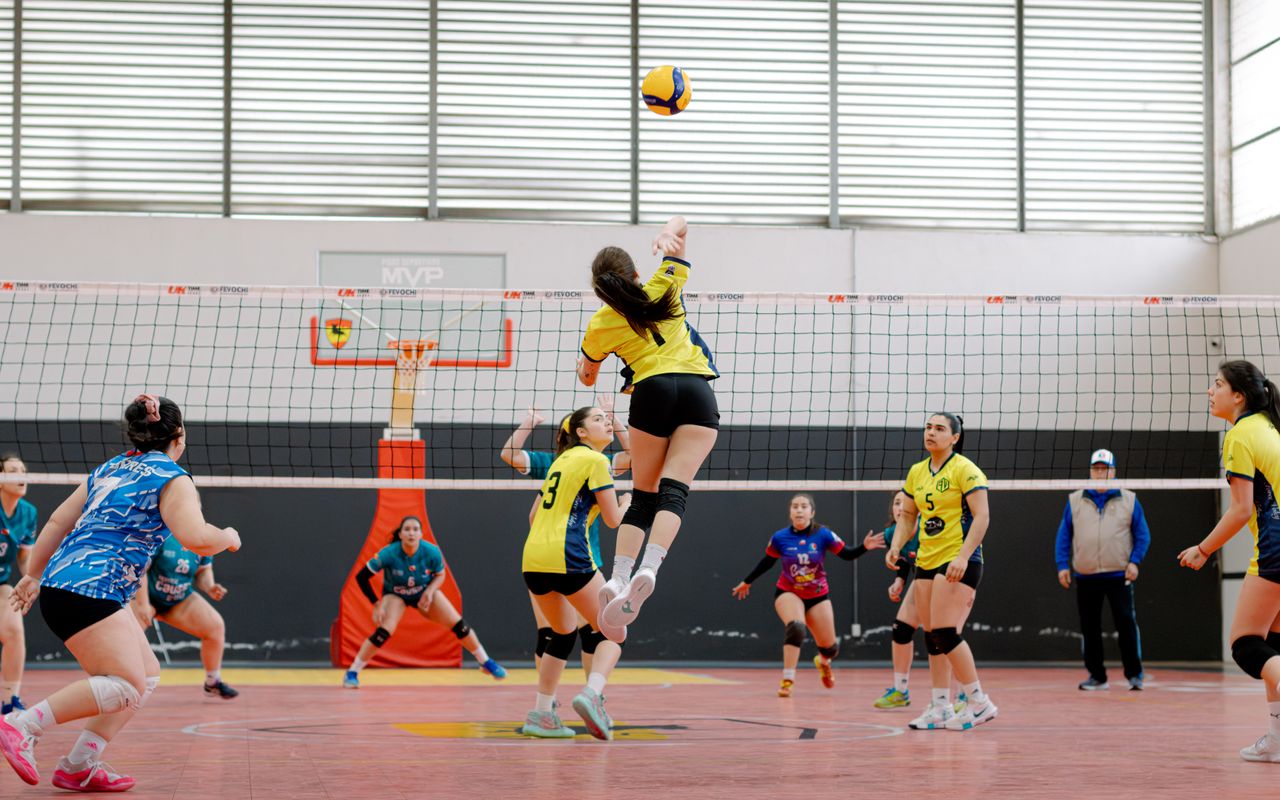
Even with LSU beach volleyball drawing national attention, indoor volleyball remains the sport’s day-to-day foundation in Louisiana. High school volleyball is where the broadest player base forms, and the LHSAA state tournament gives the school game a formal championship structure. Programs across New Orleans, Baton Rouge, Lafayette, Lake Charles, Shreveport, and smaller communities keep indoor volleyball visible through the fall season.
Louisiana’s indoor scene is shaped by school culture. Many of the state’s stronger volleyball environments are connected to schools with established athletic traditions, particularly in areas where girls’ volleyball has deep participation. The best teams tend to be organized, defensively sound, and accustomed to playing in loud, compact gym environments where momentum swings quickly.
At the college level, Louisiana has a broad but varied indoor presence. LSU carries the largest brand name, while programs such as Louisiana, Tulane, Southeastern Louisiana, Northwestern State, McNeese, Nicholls, New Orleans, and Louisiana Tech contribute to the state’s NCAA volleyball landscape. These programs do not all occupy the same competitive tier, but together they give in-state players more options and keep the sport present across multiple regions.
The indoor game in Louisiana is less nationally dominant than Kentucky or Nebraska-style volleyball markets, but it has a meaningful base. The challenge is not whether the sport exists. It is whether the state can turn participation into deeper elite development.
New Orleans, Baton Rouge, and the Shape of the State
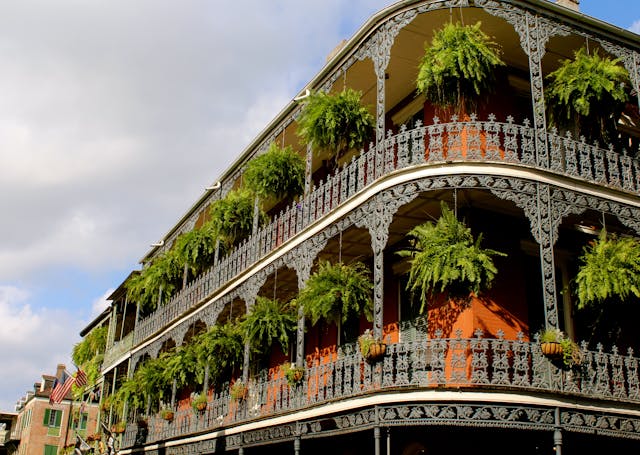
Louisiana volleyball is heavily influenced by its major population centers. Baton Rouge has the visibility of LSU and the college-sports infrastructure that comes with it. New Orleans has a dense school sports culture, Tulane, UNO, and a natural connection to outdoor and beach-style volleyball. Lafayette and Acadiana add another strong athletic region, with school competition and community sports playing an important role.
This geography gives Louisiana a spread-out volleyball identity. The state is not centralized in one volleyball city. Baton Rouge may be the beach-volleyball flagship because of LSU, while New Orleans carries a mixture of school, college, club, and recreational volleyball. Lafayette’s role as a championship host for high school volleyball helps make it part of the state’s volleyball calendar.
The state’s club scene is important because Louisiana athletes need consistent high-level touches to compete with players from larger volleyball markets. Club volleyball fills gaps that school seasons alone cannot cover. It gives players more technical training, more repetitions, more tournament exposure, and more chances to face teams from Texas, Mississippi, Alabama, Florida, and the broader Gulf South.
A Volleyball Culture With Room to Grow
Louisiana’s volleyball ceiling is tied to development. The state has athletes. It has college programs. It has a climate that supports outdoor play. It has a beach volleyball flagship in LSU and a meaningful school volleyball structure. What it needs, compared with more established volleyball states, is greater density: more elite clubs, more boys’ volleyball growth, more year-round training access, and more statewide visibility for the sport outside the biggest programs.
Girls’ volleyball has the stronger foundation, as it does in much of the United States. Boys’ volleyball remains a growth opportunity. If boys’ volleyball expands in the South over the next decade, Louisiana could benefit from its athletic base and its connection to neighboring states where the sport is also trying to grow.
Beach volleyball may be Louisiana’s best route to a sharper national identity. The indoor game has to compete for attention in a crowded college and high school sports landscape. Beach volleyball gives the state something more distinctive. LSU’s success on sand, Tulane’s presence in New Orleans, and the state’s climate all point toward a version of Louisiana volleyball that does not have to copy indoor-first states.
Louisiana volleyball is still a hybrid scene, but that is its strength. It has school gyms, college programs, Gulf South recruiting connections, and a beach game with legitimate national relevance. The state’s volleyball future will likely be built through that combination: indoor volleyball supplying the player base, beach volleyball raising the national profile, and local schools and clubs determining how deep the next generation can become.