Delhi’s volleyball identity is tied to its role as a capital city, a dense urban sports market, and a growing professional volleyball center within India. It is not a beach volleyball destination and it is not yet a global volleyball powerhouse. Its scene is built around indoor volleyball, school and institutional competition, state-level development, and the rising visibility of the Prime Volleyball League.
In a country where cricket dominates nearly every sports conversation, volleyball in Delhi has had to grow through institutions rather than mass media attention. Schools, colleges, public sports facilities, state associations, armed forces structures, and national competitions have all played a role in keeping the sport active. Delhi’s advantage is not coastline or a single legendary volleyball academy. Its advantage is density: athletes, schools, administrators, competitions, and spectators packed into one of the world’s largest urban regions.
A Capital-City Volleyball Scene
Volleyball in Delhi reflects the wider sporting character of the city. It is competitive, institution-based, and connected to national pathways. The city can draw players from different parts of North India, while also serving as a host or administrative center for larger sporting events. That makes Delhi more than a local volleyball market. It is part of the infrastructure of Indian volleyball.
At the grassroots level, volleyball is accessible in a way many sports are not. It can be played in school grounds, indoor halls, public spaces, and institutional facilities. The sport does not require the same cost barrier as some equipment-heavy games, and that has helped it remain relevant across different parts of India. In Delhi, the challenge is not basic awareness. The challenge is turning participation into consistent elite development.
For players, the pathway often depends on schools, state-level selection, university competition, and exposure through national tournaments. A talented athlete may emerge from a school or local setup, but long-term development requires coaching, competition, nutrition, facilities, and visibility. Delhi’s volleyball future depends on how well those pieces connect.
Delhi Toofans and the Professional Era
The creation of Delhi Toofans gave the city a clearer professional volleyball identity. The Prime Volleyball League has been one of the most important developments in Indian volleyball because it presents the sport as a marketable, televised, city-based competition rather than only a federation or school-level game. For Delhi, having a franchise in that league matters.
Delhi Toofans quickly gave the capital a team with national relevance. Their run to the Prime Volleyball League final showed that Delhi could be more than a symbolic big-city entry. It could compete. That matters in a city where sports attention is hard to win. A professional volleyball team gives young players a visible target, fans a team to follow, and the city a place in India’s newer volleyball conversation.
The team also helps change the way volleyball is perceived. Instead of being seen only as a school sport or departmental sport, volleyball becomes part of India’s expanding professional sports culture. The match presentation, city branding, player visibility, and digital media presence all help bring the game closer to younger audiences.
Indoor Volleyball as Delhi’s Core
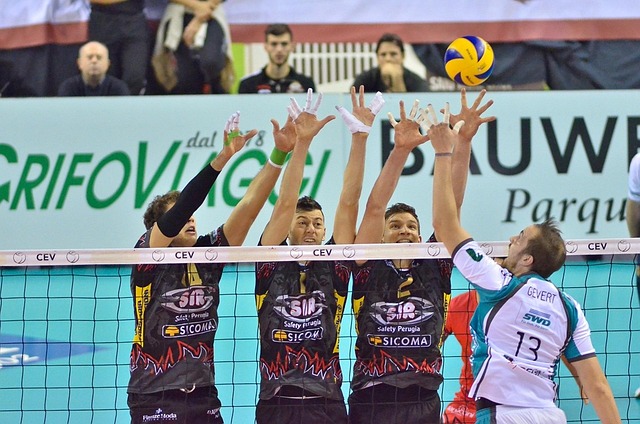
Delhi’s volleyball identity is overwhelmingly indoor-focused. The city’s climate, urban density, and sports infrastructure make indoor volleyball the more natural competitive format. While outdoor play exists in informal ways, Delhi’s serious volleyball identity is not built around sand courts or beach events. It is built around six-player volleyball, structured competitions, and the technical demands of the indoor game.
That means Delhi’s volleyball development depends heavily on coaching. Indoor volleyball requires system play: setters who can control tempo, middles who can read and close blocks, outsides who can pass under pressure, liberos who can stabilize serve receive, and teams that understand transition. In a developing volleyball market, the quality of coaching often matters as much as the number of players.
Delhi has the population to support a deeper volleyball scene. The question is how consistently it can turn participation into high-level athletes. The city’s best opportunities are in school competitions, university volleyball, professional visibility, and stronger links between youth players and elite coaching.
Delhi’s Place in Indian Volleyball
Delhi is important because Indian volleyball itself is still searching for a larger national platform. The country has a long volleyball history and strong pockets of talent, especially in states with deeper traditions, but the sport has not always enjoyed the professional stability or mainstream attention needed to maximize that talent. Delhi can help change that because capital cities are visibility engines.
When volleyball grows in Delhi, it has a national effect. Media attention, sponsorship interest, league branding, and national tournaments carry more weight when the capital is involved. Delhi Toofans are part of that shift, but the broader work is still developmental. The city needs stronger youth structures, more consistent high-level competition, and clearer pathways from school volleyball to elite volleyball.
The Future of Volleyball in Delhi
Delhi’s volleyball future is tied to India’s broader push to professionalize and diversify its sports culture. Volleyball has the right ingredients to grow: it is fast, affordable to play, visually clear, and suited to both school competition and professional presentation. The Prime Volleyball League has helped show that the sport can attract attention when packaged well.
For Delhi, the next step is depth. A professional franchise can create visibility, but the sport’s long-term strength will come from coaching networks, youth participation, women’s volleyball growth, school competitions, and local tournaments that give players more meaningful matches. Delhi has enough athletes to become one of India’s important volleyball centers. Its challenge is building a system strong enough to match the city’s scale.
Delhi volleyball is still developing, but it has moved beyond being only a background sport. With a professional team, a large urban player base, and a growing national volleyball platform, the city has become one of the key markets to watch in Indian volleyball.