Malta’s volleyball identity is built around small-country indoor competition, steady federation development, and a growing effort to make national-team volleyball more structured from the junior level upward. In a Mediterranean sports landscape where football dominates public attention, volleyball has carved out a more specialized role: competitive enough to produce national teams and international appearances, but still dependent on schools, clubs, volunteer coaching, and targeted development support.
The country’s size shapes everything about Maltese volleyball. Malta does not have the player pool of Europe’s major volleyball nations, so its progress is measured less by volume and more by organization. The Malta Volleyball Association has operated inside the European small-country system, where countries such as Malta, San Marino, Luxembourg, Liechtenstein, Monaco, Iceland, and others use zonal events to create meaningful competition. The CEV Small Countries Association organizes senior and junior volleyball championships for men and women, as well as beach volleyball championships, giving Malta a competitive framework that better fits its scale than the full pressure of Europe’s deepest volleyball powers.
Indoor Volleyball as Malta’s Competitive Core
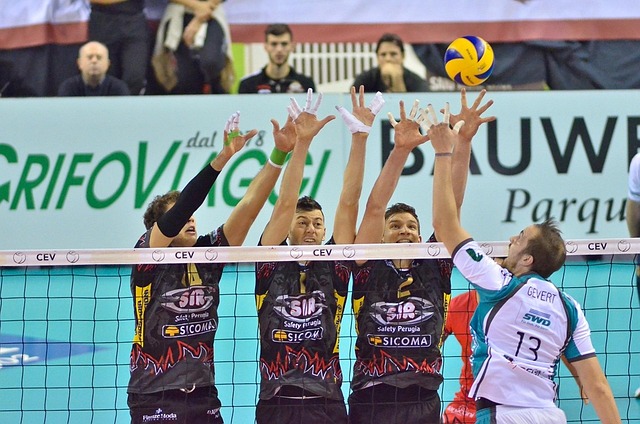
Indoor volleyball is the main competitive lane for Malta. The country’s most important progress has come through women’s and junior development, where coaching, structure, and repeated match exposure matter more than isolated tournament results. FIVB support has been a significant part of that push. The Malta Volleyball Association received 12 months of FIVB coaching support in 2022 and 2023 aimed at improving the women’s national team program from U19 through senior level, with a focus on both immediate performance and a longer-term framework.
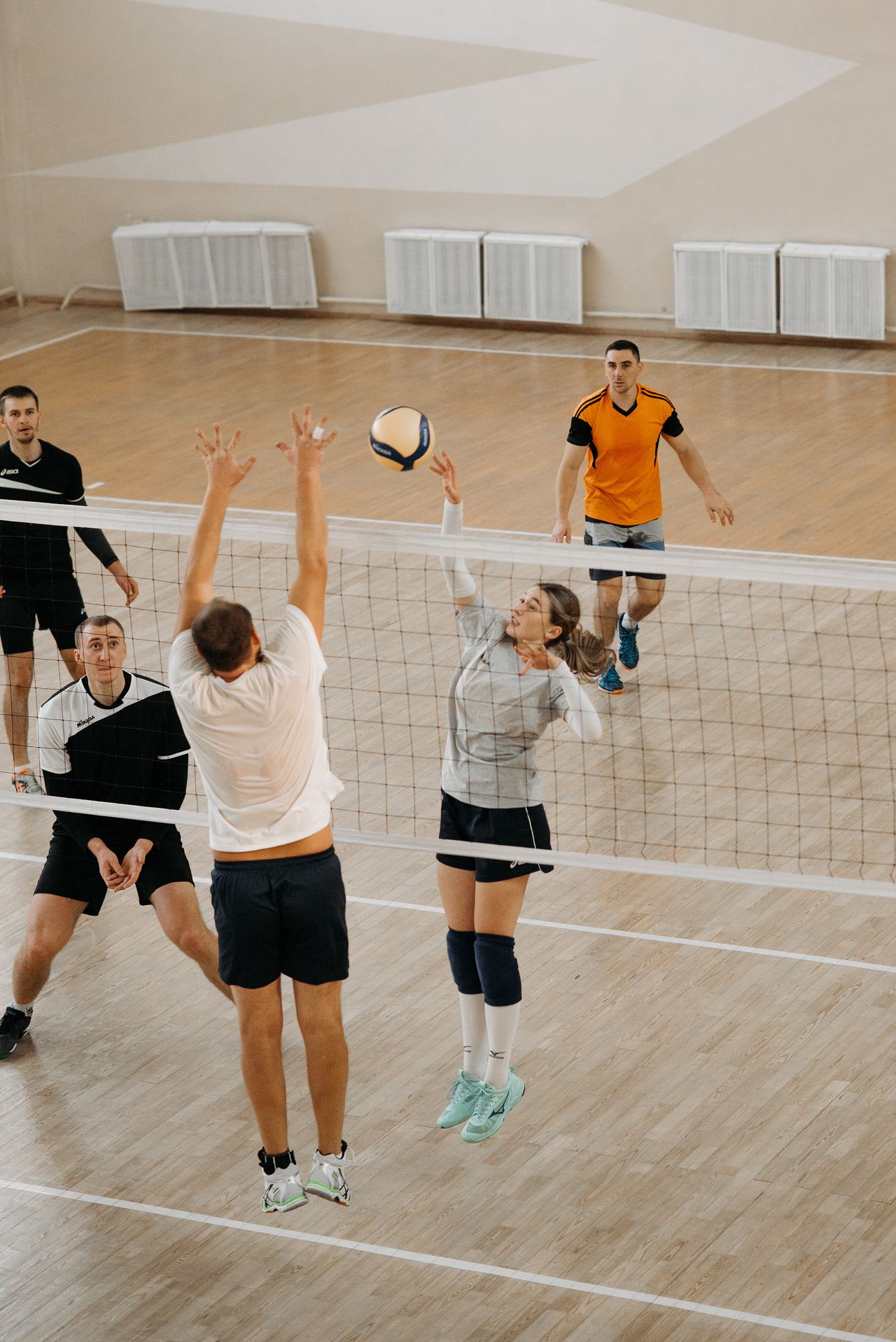
That kind of support matters in a country where a few strong age groups can influence the entire national setup. A better-trained generation of setters, passers, middles, and outside hitters does not just improve one team; it raises practice standards across clubs and national squads. In Malta’s case, the indoor game is not about producing a deep professional league. It is about building enough technical quality that national teams can compete cleanly in small-country events, reduce errors in serve receive, and develop athletes who understand international tempo.
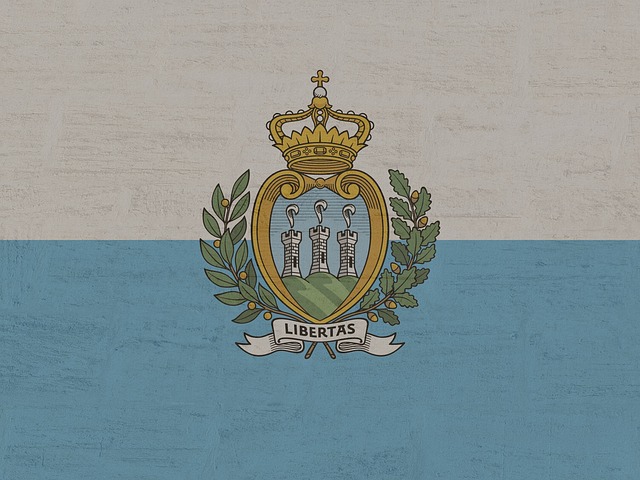
Malta’s youth results have shown why the junior pathway is central to the country’s volleyball future. In 2024, Malta hosted and won the CEV Small Countries Association U18 Women’s Championship, beating Scotland 3-0 in the final. In 2025, Malta again appeared in the SCA U18 women’s final, finishing runner-up to San Marino at the Cottonera sports complex in Cospicua. For a small volleyball country, those events are not minor footnotes. They are the competitive stages where national-team habits are built.
Beach Volleyball and the Island Setting
Malta has the geography for beach volleyball, but its volleyball identity remains more indoor-first than beach-led. The island setting gives outdoor volleyball obvious recreational potential, especially in warmer months, but the country’s stronger organized story sits in gyms, national-team training, and European small-country competition. Beach volleyball still has a place in Malta’s broader profile because small-country volleyball in Europe includes beach events, and the Games of the Small States of Europe added beach volleyball in 2005 after indoor volleyball first entered the Games in 1987.
The challenge is turning a natural coastal setting into a true competitive beach pathway. That requires regular events, coaching that understands the two-player game, and athletes who can train beach volleyball as more than a seasonal complement to indoor play. For Malta, beach volleyball’s upside is real, but its most stable competitive structure still runs through indoor volleyball.
Where Maltese Volleyball Goes Next
Malta’s future in volleyball depends on continuity. The country needs sustained junior coaching, more match repetition, and a clear bridge from U18 and U19 teams into senior national squads. Its best route is not to mimic Italy, Poland, or Turkey. Malta’s more realistic model is to become a disciplined small-country program that serves tough, passes cleanly, develops versatile attackers, and uses every international event as a development tool.
The encouraging sign is that Malta has already shown it can host events, compete in its correct European tier, and use outside support to strengthen its women’s national-team pathway. If that structure holds, Maltese volleyball can continue moving from participation-based sport toward a sharper small-nation competitive identity.