Antigua & Barbuda’s volleyball identity sits at the intersection of Caribbean indoor competition, beach volleyball opportunity, and small-nation sports development. The country does not have the size, league structure, or professional infrastructure of the major volleyball nations, but it has a meaningful volleyball scene shaped by schools, local clubs, national federation activity, and regional competition through the Eastern Caribbean. Its volleyball story is about building depth, keeping athletes engaged, and using both indoor and beach formats to create more ways into the sport.
As a national volleyball market, Antigua & Barbuda has to be judged by the realities of scale. Small countries rarely have large player pools, multiple professional clubs, or national teams stocked with full-time athletes. Development depends on committed coaches, organized competitions, administrative consistency, and athletes who often play more than one sport. Within that context, volleyball has a practical advantage: it can be played indoors, outdoors, on sand, in schools, and in community settings. That flexibility gives the sport a real chance to grow.
A Caribbean Volleyball Identity
Antigua & Barbuda’s indoor volleyball identity is tied to the broader Eastern Caribbean volleyball environment. Regional competition matters because it gives the national program and local athletes something beyond domestic matches. In a small country, local rivalries are important, but regional tournaments provide the sharper test. They expose players to different systems, stronger hitters, better defensive teams, and the speed of competition required outside the home gym.
The indoor game remains the central organizing structure. It is where most players learn formal volleyball: rotations, serve receive patterns, setter decision-making, blocking assignments, defensive base positions, and transition offense. For a country like Antigua & Barbuda, that technical structure matters because strong organization can narrow the gap against deeper opponents. A disciplined team with reliable passing and strong serving can be competitive even without the tallest or most physically dominant roster.
Women’s and men’s volleyball both benefit when local leagues, school competitions, and national-team preparation are connected. The more consistent the calendar, the easier it becomes to retain players. Volleyball development is cumulative. A player who trains only around tournaments rarely develops the same touch, timing, and game reading as one who plays regularly across a full season.
Beach Volleyball and National Opportunity
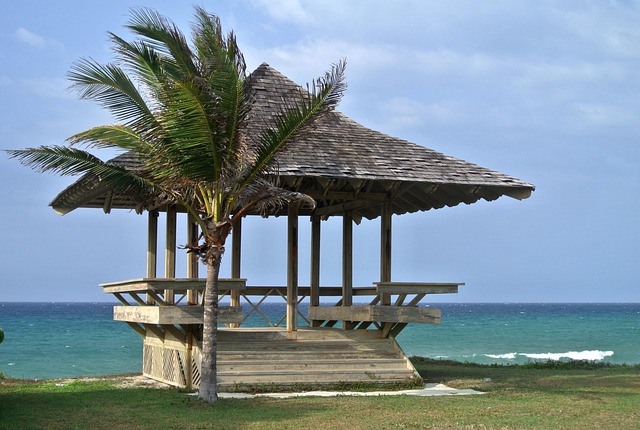
Beach volleyball may be one of Antigua & Barbuda’s best long-term volleyball opportunities. The country’s geography gives the sport a natural platform, and beach volleyball’s smaller roster requirements can work in favor of a small nation. Developing one or two strong pairs is a more realistic international pathway than building deep indoor squads across multiple age groups.
The beach game also aligns with the country’s environment and tourism profile. That does not mean beach volleyball should be treated only as recreation. Competitive beach volleyball is highly technical and physically demanding. Players need ball control, lateral quickness, endurance, tactical serving, shot-making, and the ability to make constant reads without the structure of a six-player indoor system.
For Antigua & Barbuda, a serious beach volleyball pathway can support the entire sport. Indoor players who train on sand often improve their control, conditioning, and all-around skill. Younger athletes may also find beach volleyball attractive because it feels connected to the country’s identity. If the sport is developed with proper coaching and tournament exposure, it can become a stronger national asset.
Development Challenges and Strengths
The country’s biggest volleyball challenge is depth. A small player pool makes every stage of development important. Losing athletes after school, failing to provide regular competition, or relying too heavily on a small group of experienced players can slow progress. Coaching education is also critical. Volleyball is a technical sport, and small improvements in teaching passing platforms, attacking mechanics, blocking footwork, and defensive systems can raise the level of an entire program.
The strength is that volleyball in Antigua & Barbuda does not need massive infrastructure to improve. More youth clinics, stronger school-club links, better beach programming, and regular regional exposure can all make a visible difference. A small volleyball country can grow quickly when the system becomes more organized.
The Direction of the Sport
Antigua & Barbuda’s volleyball future is likely to be hybrid: indoor volleyball as the competitive backbone, beach volleyball as the most distinctive growth opportunity, and youth development as the deciding factor. The country’s best path is not to imitate larger volleyball nations but to build a model that fits its size and geography.
That means creating more complete players, keeping juniors active, using the beach game strategically, and treating regional competition as a serious measuring stick. Volleyball in Antigua & Barbuda has room to become more than a community sport. With structure, repetition, and a clearer player pathway, it can continue to develop into one of the country’s strongest court-and-beach athletic communities.