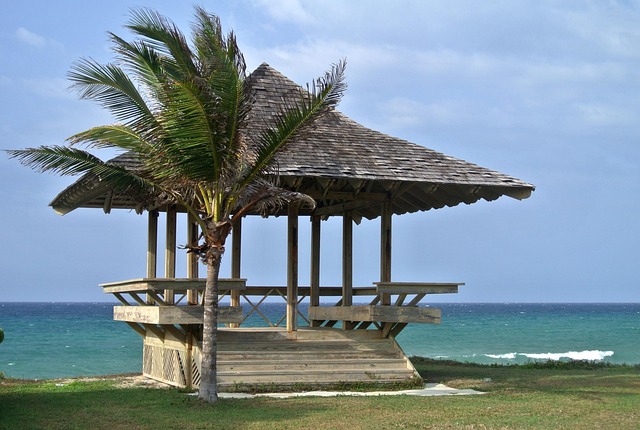
Jamaica’s volleyball identity is a hybrid of Caribbean indoor competition, school-based athletic talent, and beach volleyball potential that reflects the island’s wider sporting profile. The country is not a global volleyball power in the way it is known globally for sprinting, cricket, football, or netball, but it has a serious regional volleyball structure and a player base shaped by physicality, multi-sport athletes, and Caribbean competition. Jamaica’s volleyball story is strongest when viewed through the lens of regional ambition: a nation with athletic tools, active national teams, and room to grow its indoor and beach programs into a more visible part of the island’s sports culture.
The Jamaica Volleyball Association oversees the sport nationally, with Jamaica competing within the NORCECA structure and the Caribbean zonal environment. That matters because Jamaica’s most realistic competitive measuring stick is not immediate world-level contention but performance against Caribbean neighbors and Central American programs. Recent regional results show that Jamaica remains active in senior competition, with both the men’s and women’s national teams securing bronze medals at the CAZOVA Senior Championships in Nassau, Bahamas.
That type of regional podium finish is important for a volleyball country like Jamaica. It gives the national program competitive relevance, keeps senior-team standards visible for younger players, and offers a target beyond domestic participation. In the Caribbean, where resources, facilities, and travel budgets can shape the ceiling of volleyball programs, staying consistently involved in zonal competition is part of the development process. Jamaica’s national teams need those matches to sharpen serve receive, blocking systems, transition offense, and late-set composure against opponents with similar regional constraints.
Indoor volleyball in Jamaica is built around schools, clubs, community gyms, and national-team pathways rather than a large professional league ecosystem. The country’s broader athletic culture gives volleyball a useful foundation: explosive jumpers, quick defenders, and athletes comfortable with speed and power. The challenge is turning raw athleticism into specialized volleyball skill. Setters need match repetition. Liberos need consistent high-level serve-receive work. Middle blockers need timing against faster offenses. Outside hitters need more than vertical ability; they need range, shot selection, and the ability to score when the pass is not perfect.
Beach volleyball is one of Jamaica’s most natural long-term opportunities. The country has the geography, climate, and tourism visibility that make sand volleyball an easy cultural fit, but competitive beach volleyball requires more than attractive beaches. It needs a tournament calendar, trained coaches, dedicated pairs, strength and conditioning, and enough competition to develop tactical understanding. For Jamaica, beach volleyball can become both a participation tool and a performance pathway if the local structure gives athletes regular two-on-two competition rather than treating beach volleyball as an occasional extension of the indoor game.
The future of Jamaican volleyball depends on converting general athletic talent into volleyball-specific development. The country’s best path is likely a combined model: stronger school competitions, better club organization, regular Caribbean tournament exposure, and a clearer bridge from youth volleyball to senior national teams. Jamaica does not need to copy the systems of larger volleyball nations to become more competitive. It needs depth, repetition, coaching continuity, and a domestic culture where volleyball is seen as a serious court sport with regional opportunity. If that happens, Jamaica’s ceiling in Caribbean volleyball remains meaningful, especially in a region where disciplined programs can climb quickly.