Latvia’s volleyball identity is unusual because the country’s international reputation is much larger on sand than indoors. In many countries, beach volleyball is a side branch of the indoor game. In Latvia, beach volleyball has become the sport’s global calling card. A small Baltic nation with cold winters, a modest population, and a limited indoor professional footprint has built one of Europe’s most respected beach volleyball traditions.
That contrast gives Latvia a distinct volleyball profile. Indoors, Latvia is a competitive European outsider: organized, serious, and capable of producing moments, but not a regular power on the level of Poland, Italy, France, Serbia, or Slovenia. On the beach, Latvia has carried Olympic medal hopes, world-ranked teams, European titles, and a reputation for technical toughness. The country’s volleyball story is therefore not about mass scale. It is about efficiency, specialization, and a beach program that has repeatedly punched far above the country’s size.
The Baltic Beach Volleyball Identity
Latvia’s volleyball name travels internationally because of beach volleyball. The country’s rise in the discipline has been one of the more impressive stories in modern European volleyball. Latvian teams have not merely appeared at major tournaments; they have shaped medal races, beaten elite pairs, and created a standard that younger players can realistically chase.
The men’s side built the first major wave. Mārtiņš Pļaviņš and Jānis Šmēdiņš gave Latvia one of its defining Olympic moments by winning bronze at the London 2012 Games. Aleksandrs Samoilovs and Jānis Šmēdiņš later became one of the most recognizable European teams of their era, reaching the top of the world rankings and giving Latvia a sustained presence at the highest level of the sport.
That mattered beyond medals. It changed how Latvia was perceived. The country was no longer just a Baltic participant in European volleyball. It became a beach volleyball nation with a recognizable style: disciplined, tactically alert, comfortable in long rallies, and capable of frustrating more physically imposing teams through control and shot-making.
Graudiņa, Samoilova, and a New Standard
The women’s side has taken Latvia’s beach volleyball reputation even higher. Tīna Graudiņa and Anastasija Samoilova have become central figures in the country’s modern sports identity. Their rise gave Latvia a women’s team that could compete deep into major tournaments, carry Olympic expectations, and make the country relevant in the most visible events on the beach volleyball calendar.
Their success is especially important because it broadened Latvia’s volleyball image. The country’s beach reputation was no longer built only on men’s teams from the previous generation. It became a two-sided national strength, with women’s beach volleyball pushing the standard forward. Their performances showed that Latvia’s success was not a one-pair accident. It reflected a beach volleyball system capable of developing elite-level athletes across eras.
Graudiņa and Samoilova’s game also fits Latvia’s broader beach identity. They combine defensive discipline with composed attacking choices, and they have shown the ability to manage pressure against teams from larger volleyball countries. In beach volleyball, where every touch is exposed and every tactical choice is visible, that kind of poise is a national asset.
Indoor Volleyball’s More Complicated Place
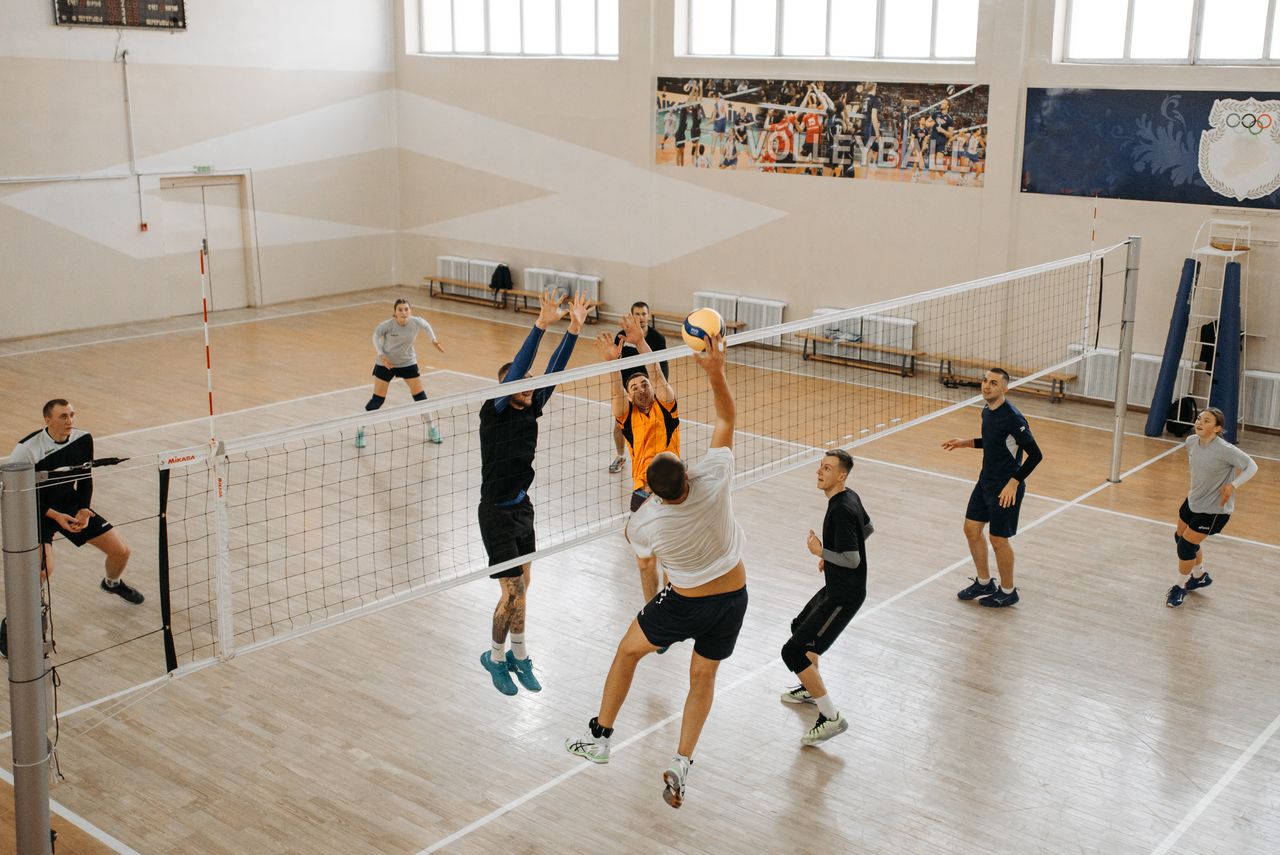
Latvia’s indoor volleyball story is more modest, but it still matters. The men’s national team has had European Championship appearances, including a return to EuroVolley after a long gap, and the indoor game remains an important development base for athletes. Latvia is not an indoor volleyball power, but it is not a casual volleyball country either. It competes inside the demanding European structure, where even qualifying campaigns require a serious level of organization.
The European context is brutal. Latvia shares a continent with many of the world’s strongest volleyball nations. Poland fills arenas and produces elite national teams. Italy has one of the sport’s great club systems. France has become an Olympic-level force. Serbia, Slovenia, Bulgaria, the Netherlands, Germany, Turkey, and others create a crowded field. For Latvia, progress indoors requires navigating a region where there are very few soft matches.
That makes Latvia’s indoor achievements more meaningful. A EuroVolley qualification or a strong youth showing is not just a box checked; it is evidence that the country can still produce athletes and teams capable of competing in a deep continental environment. The challenge is continuity. Latvia has to convert individual generations into a stronger year-to-year indoor structure.
Clubs, Universities, and the Baltic League Frame
Latvia’s indoor development depends heavily on clubs, schools, universities, and regional competition. Because the country does not have the scale of Europe’s biggest professional leagues, the Baltic framework is important. Matches involving Latvian, Estonian, and Lithuanian teams create a regional competitive layer that gives players higher-level experience without requiring every club to operate as a major European power.
That Baltic structure is one of the keys to Latvia’s volleyball sustainability. It provides meaningful competition, keeps clubs connected to a broader standard, and gives national-team candidates more regular pressure. For players, it offers a pathway that can sit between domestic volleyball and larger European opportunities. For coaches, it gives a better read on which athletes can handle physicality, serve pressure, and tactical speed.
University-linked programs also play a role, especially in Riga. In a smaller volleyball country, partnerships between education and sport can help keep athletes in structured training environments while they continue to develop. That matters for both men’s and women’s volleyball because Latvia cannot afford to lose too many players during the transition from youth sport to senior competition.
Why Latvia Produces Beach Volleyball Talent
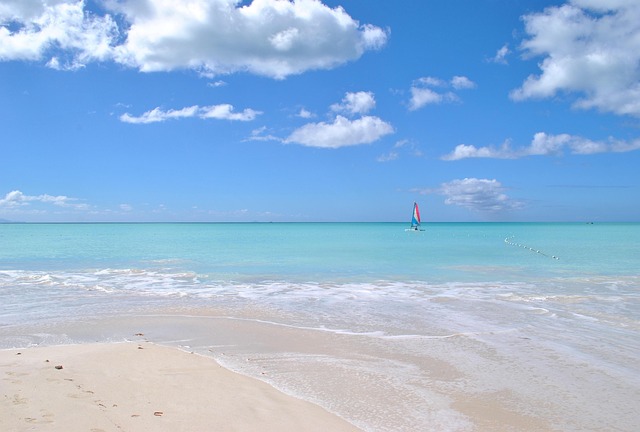
Latvia’s beach volleyball success is not obvious from geography alone. This is not a year-round tropical volleyball country. Its beach season is limited, and its climate creates training challenges that countries such as Brazil, Australia, and the United States do not face in the same way. Yet that limitation may also help explain the discipline of the Latvian model.
Latvian beach players tend to come through systems where indoor fundamentals, physical preparation, and technical repetition matter. Because the outdoor season is not endless, players need to maximize training windows and compete intelligently. The result is often a style that values ball control, tactical serving, defensive reads, and efficient attacking rather than relying only on raw physical dominance.
The presence of successful role models is also powerful. Once Pļaviņš, Šmēdiņš, Samoilovs, Graudiņa, and Samoilova proved that Latvians could win on the biggest stages, the sport gained a different kind of credibility. Young players could see a pathway. Coaches could point to evidence. Sponsors, federations, and local communities could treat beach volleyball as a serious international medal opportunity rather than a summer side sport.
Tournaments, Visibility, and National Pride
Beach volleyball has given Latvia a rare sports platform: a discipline where the country can expect to contend. That changes how events are experienced. When Latvian teams enter major beach tournaments, they do not arrive as symbolic representatives. They arrive as teams capable of winning knockout matches and threatening podiums.
This visibility has helped volleyball carve out a stronger national profile. In a country where ice hockey, basketball, athletics, and other sports compete for attention, beach volleyball offers something distinct. It is a sport where Latvia’s flag appears late in international brackets, where individual pairs become widely recognized, and where Olympic summers can turn beach courts into national stages.
Indoor volleyball does not yet carry the same public weight, but it benefits from the broader volleyball attention that beach success creates. The more Latvia wins on sand, the more the sport as a whole gains credibility. That does not automatically build a dominant indoor league, but it strengthens the volleyball brand.
The Future of Volleyball in Latvia
Latvia’s volleyball future will likely continue to have two tracks. On the beach, the country has the proof of concept. It can produce elite teams, win major matches, and remain relevant in Europe and globally. The challenge is succession: making sure the next generation follows the standard set by the country’s best pairs. That means youth beach events, coaching continuity, indoor-to-beach transition planning, and enough international exposure for younger teams.
Indoors, the goal is different. Latvia does not need to become Poland or Italy to improve its volleyball standing. Its more realistic target is to become a more consistent European challenger: stronger in qualification, better at youth development, deeper in club competition, and more capable of producing players who can move into higher-level leagues abroad.
The country’s advantage is that volleyball already has a clear identity. Latvia knows what its strongest volleyball export is. Beach volleyball has given the country medals, rankings, and global recognition. The next phase is using that success to support the whole volleyball ecosystem, from youth courts to indoor clubs to the next pair chasing a European or Olympic podium.
Latvia’s volleyball story is not large in scale, but it is sharp in definition. Indoors, it is a serious Baltic competitor trying to climb in a difficult European field. On sand, it is one of the sport’s most efficient small-nation success stories. That combination makes Latvia one of the more distinctive volleyball countries in Europe.