Volleyball in Angola has a stronger competitive foundation than many casual observers might assume. Angola is better known internationally for basketball, football, handball, and athletics, but volleyball has a meaningful place in the country’s indoor-sport culture. Its identity is best described as an African volleyball nation with urban club roots, school and institutional participation, and room to grow through stronger domestic organization and continental competition.
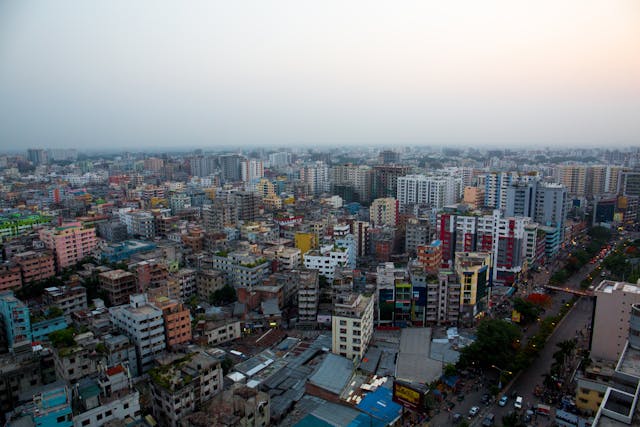
Angola’s sporting culture has long been shaped by clubs, schools, and urban athletic institutions. That matters for volleyball because the sport needs more than recreational interest. It needs gyms, trained coaches, youth teams, referees, and regular competitions. In cities such as Luanda and other major provincial centers, indoor volleyball has the best chance to develop because there are more athletes, more facilities, and more organized sports structures.
Indoor Volleyball and Continental Ambition
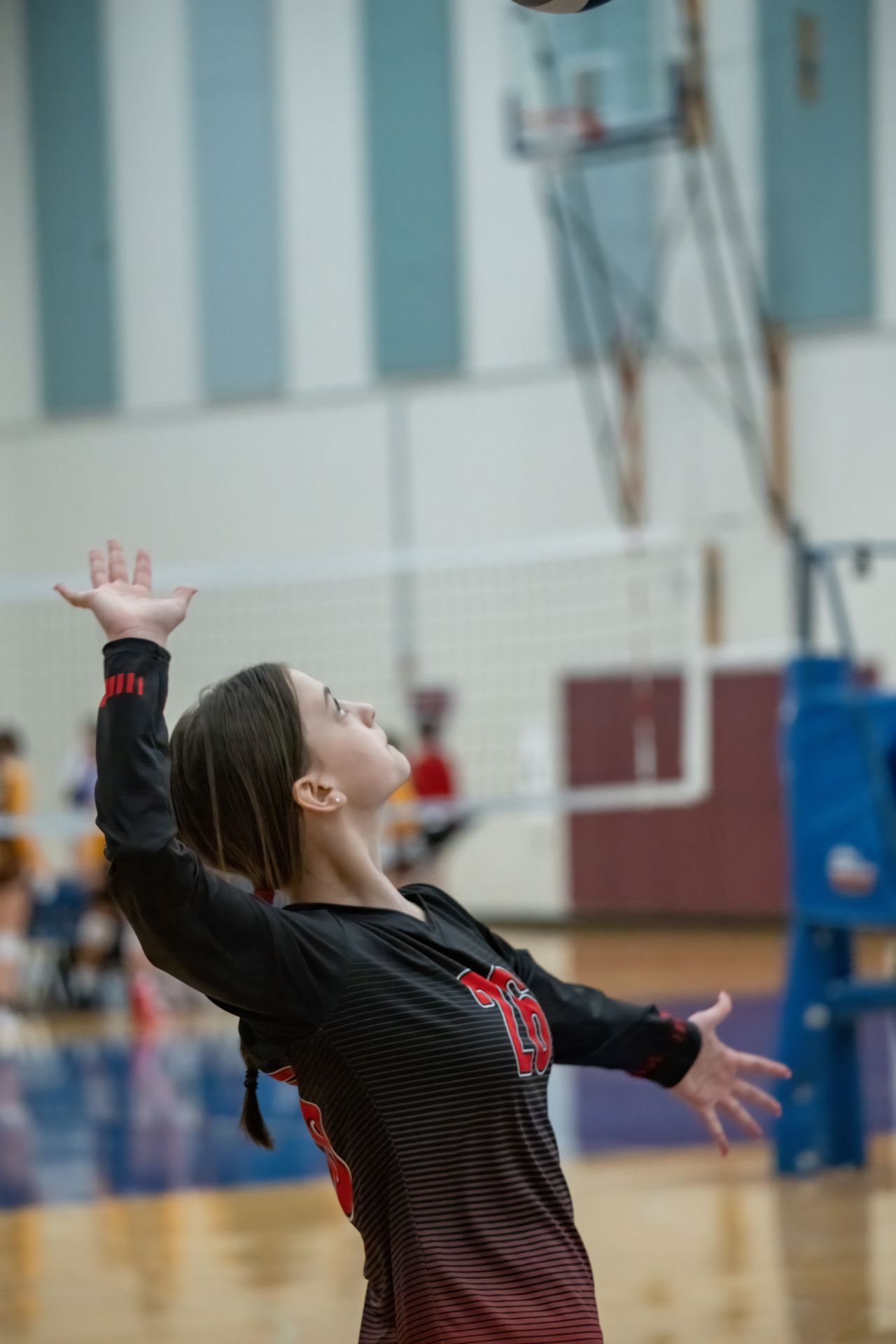
Angolan volleyball is primarily an indoor game. The country has a long Atlantic coastline, and beach volleyball has natural potential, but the main competitive identity is still built around six-player indoor volleyball. That is where national teams, clubs, and school programs can create a more structured pathway.
Within African volleyball, Angola has to compete in a landscape that includes countries with stronger or more consistent volleyball profiles. North African nations, parts of West Africa, and several established continental programs have often set the pace. For Angola, the competitive challenge is building enough technical quality and match experience to move from domestic promise to stronger African results.
Indoor volleyball rewards structure. Teams need setters who can manage tempo, outside hitters who can pass and score, middles who can close blocks quickly, and liberos who stabilize serve receive. Angola has the athletic base to develop strong volleyball players, but high-level volleyball requires repetition and tactical detail. The more consistent the country’s club and youth competitions become, the better its players can handle the speed and precision of international play.
Clubs, Schools, and the Development Pipeline
Angola’s volleyball development depends on the relationship between schools, clubs, and national sport institutions. Schools introduce the sport to young athletes and help identify players with coordination, height, jumping ability, and court sense. Clubs then become the place where those players can train seriously. In a stronger system, players move from school teams into youth clubs, then senior club volleyball, and eventually national-team consideration.
That pathway is especially important for women’s volleyball. Across many countries, women’s volleyball has become one of the strongest expressions of indoor team sport because it combines school participation, club competition, and national-team visibility. Angola has the sporting culture to support that kind of growth, particularly if girls’ and women’s programs receive enough court time, coaching, and competitive opportunities.
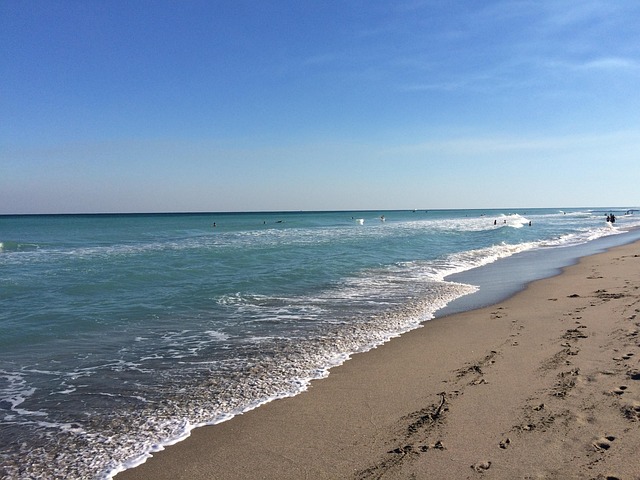
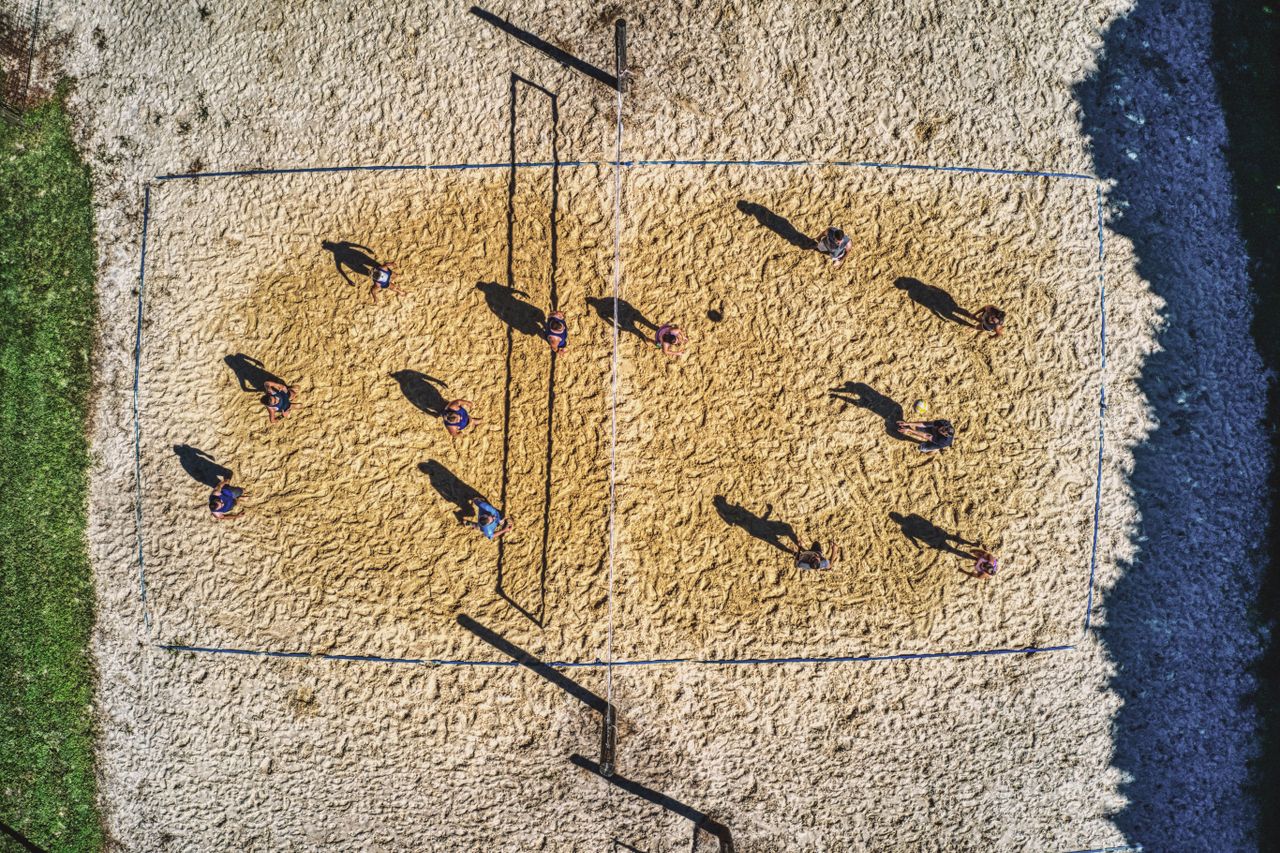
Beach volleyball is an underdeveloped but intriguing piece of Angola’s volleyball future. The Atlantic coast gives the country natural outdoor geography, and beach volleyball can fit well with recreation, tourism, and youth sport. But competitive beach volleyball is not just indoor volleyball moved to sand. It requires dedicated training, conditioning, ball control, two-player tactical awareness, and tournament structure. If Angola invests in beach volleyball, it could add a second identity to its indoor foundation.
The Direction of Volleyball in Angola
Angola’s volleyball future depends on whether the country can convert athletic potential into volleyball-specific systems. The raw materials are there: urban sports culture, young athletes, club traditions, coastal possibilities, and a national appetite for team sports. The limiting factors are the familiar ones for developing volleyball nations: facilities, funding, coaching depth, regular competition, and international exposure.
The most promising path is a balanced one. Angola can continue strengthening indoor volleyball through clubs and schools while gradually building beach volleyball in coastal areas. More youth tournaments, better coaching education, and stronger women’s and men’s domestic competition would give the sport a clearer national profile.
Angola is not yet one of volleyball’s major international names, but it has the structure of a country that can become more competitive within Africa. Its volleyball identity is serious, urban, indoor-first, and still developing. With deeper organization, Angola can turn volleyball from a secondary sport into a stronger part of its national athletic landscape.