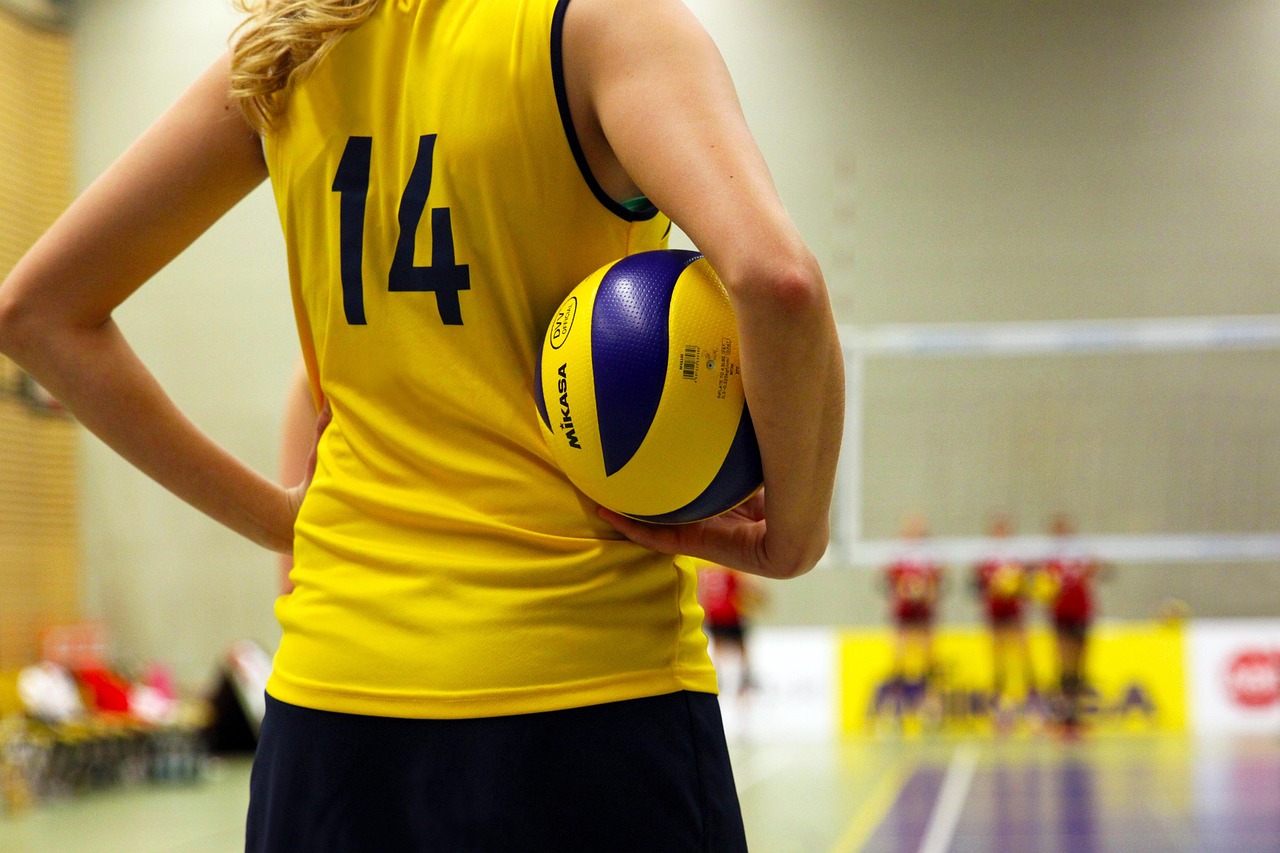
Barbados has one of the more established volleyball identities among smaller Caribbean nations. Its scene is not defined by a single global achievement or a massive professional system, but by continuity: national federation activity, regional competition, beach development, school and club participation, and a serious place inside Caribbean volleyball. Compared with countries where volleyball remains mostly recreational, Barbados has a clearer competitive frame. The sport has an organized national presence and a regional calendar that gives players a target beyond local matches.
The Barbados Volleyball Association is recognized within the FIVB/NORCECA federation structure, placing the country inside the official continental volleyball pathway for both indoor and beach volleyball. That structure gives Barbados access to the Caribbean and NORCECA competitive ladder, including youth events, senior events, beach tournaments, and development initiatives. In practical terms, Barbados volleyball is shaped by the same question that defines many smaller national programs: how can a country with limited population size create enough high-quality training, competition, and coaching continuity to remain competitive regionally?
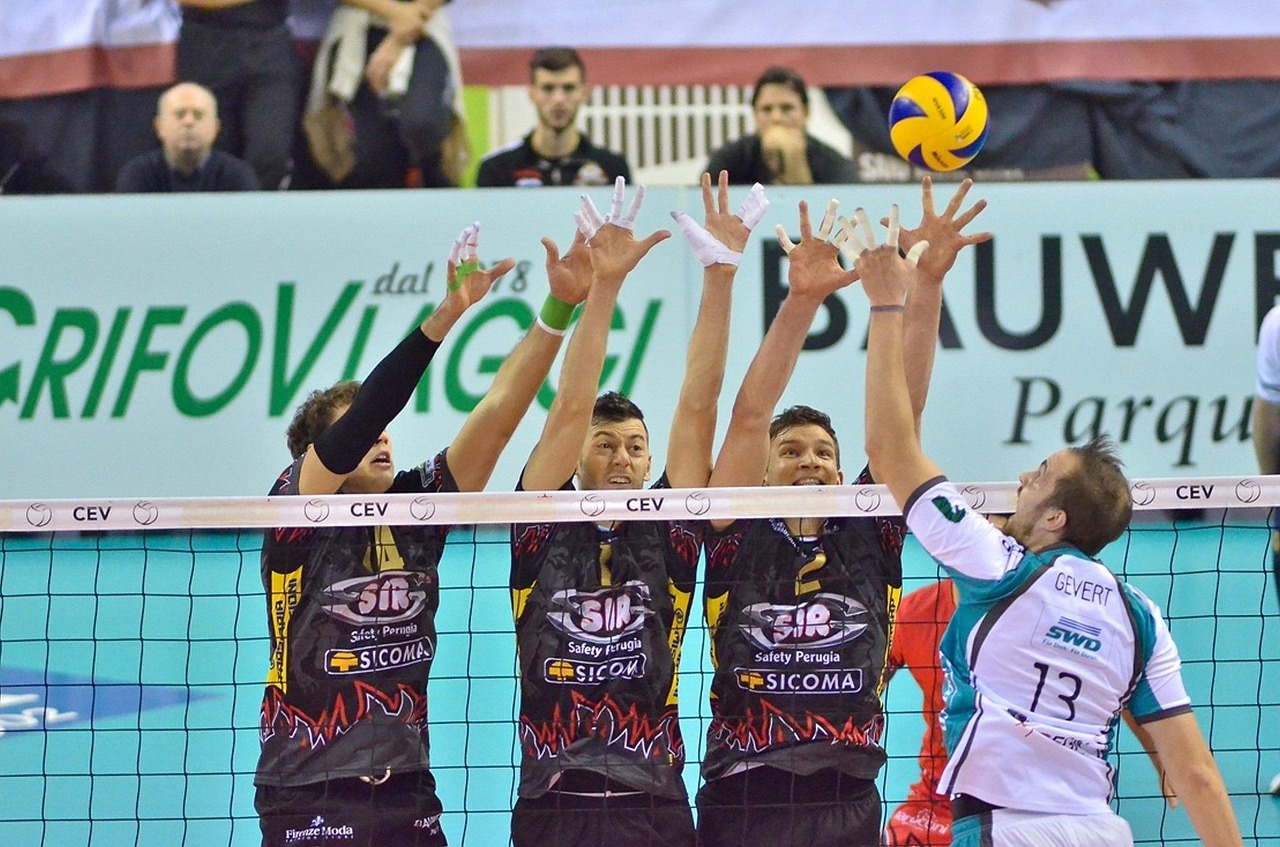
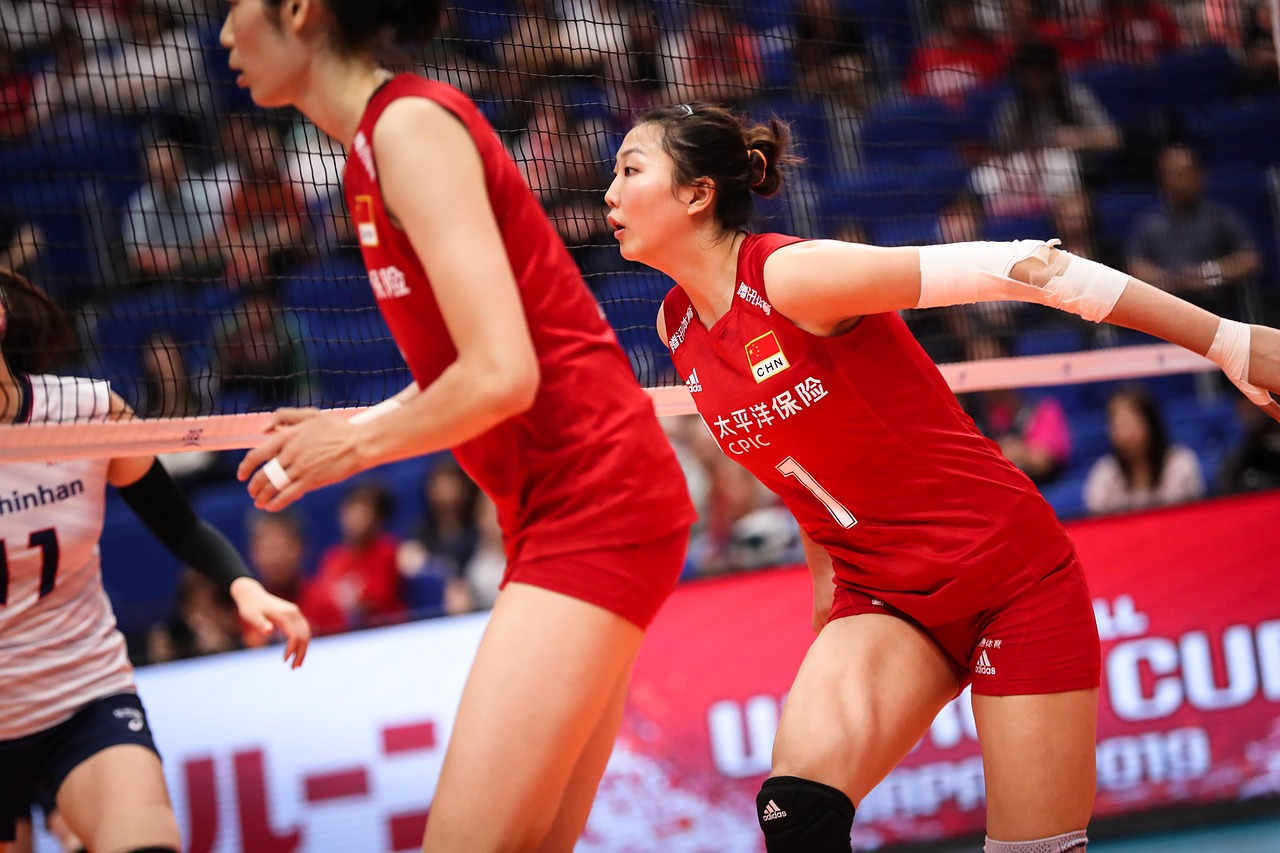
Indoor volleyball remains central to the country’s identity. Barbados has a tradition of organized team volleyball, and the indoor game provides the clearest setting for national-team development. The sport requires a deeper bench than beach volleyball, so the health of the indoor scene depends on schools, clubs, coaches, setters, liberos, middles, outside hitters, and enough competition to develop team systems. At the senior level, Barbados is trying to compete in a Caribbean environment where the margins are often determined by first-contact quality, serving pressure, blocking organization, and depth across rotations.
Beach volleyball is also increasingly important for Barbados. The country’s climate and coastline give the sport a natural home, but Barbados has also shown signs of treating beach volleyball as a development pathway rather than just a casual coastal activity. The Barbados Volleyball Association has covered young beach athletes moving through CAZOVA youth competition and toward international age-group opportunities, including under-18 beach volleyball pathways tied to world championship qualification.
That youth beach activity matters because Barbados can use beach volleyball to create international opportunities for players who may not have the same volume of indoor competition available in larger volleyball countries. Beach volleyball rewards ball control, conditioning, serve strategy, reading, and independent decision-making. For a smaller nation, those traits can be developed with fewer athletes and less facility dependency than the indoor game. A strong beach pipeline can also raise the overall skill level of the indoor player pool.
The broader volleyball culture in Barbados sits between community sport and national ambition. The country has enough organization for volleyball to be more than a casual activity, but its long-term ceiling depends on strengthening the links between junior competition, senior clubs, coaching education, beach volleyball, and regional travel. Barbados does not need to mimic the scale of the United States, Brazil, or Italy. Its more realistic model is to become a reliable Caribbean volleyball country with identifiable youth talent, organized national teams, competitive beach pairs, and enough local structure to keep athletes in the sport.
The next stage for Barbados volleyball is visibility and depth. More youth tournaments, more beach exposure, stronger coaching pathways, and consistent regional participation would all help. The foundation is already there: a recognized federation, a Caribbean competitive identity, and enough indoor-beach balance to give the sport multiple routes for growth.