Namibia’s volleyball identity is a hybrid of indoor development and rising beach volleyball ambition. The country is not one of Africa’s traditional volleyball powers, but it has a recognizable federation structure, regional associations, national-team activity, and a beach volleyball setting that fits both its geography and its development goals. In southern African volleyball, Namibia’s story is about organization, regional competition, and the attempt to turn participation into stronger national performance.
The Namibia Volleyball Federation is the governing body for the sport, with responsibility for indoor volleyball, beach volleyball, national teams, competitions, and development. Its own stated mission emphasizes promoting and developing volleyball through national and international events, competitions, marketing, communication, and national-team management. That gives Namibia a clearer administrative backbone than many small volleyball markets, and it matters because development in volleyball is rarely only about raw athletic ability. It depends on coaching, referee training, regional competition, school participation, club organization, and event delivery.
Namibia’s internal structure is also regionalized. The federation lists associations such as Central, Far Northern, Erongo, Southern, Kavango, and Central North, giving volleyball a framework beyond Windhoek alone. That kind of decentralization is important in a country with wide distances and a relatively small population. If volleyball is going to grow, it needs more than a single urban competition center. It needs regional associations that can organize clubs, develop coaches, identify players, and keep competitions active outside the capital.
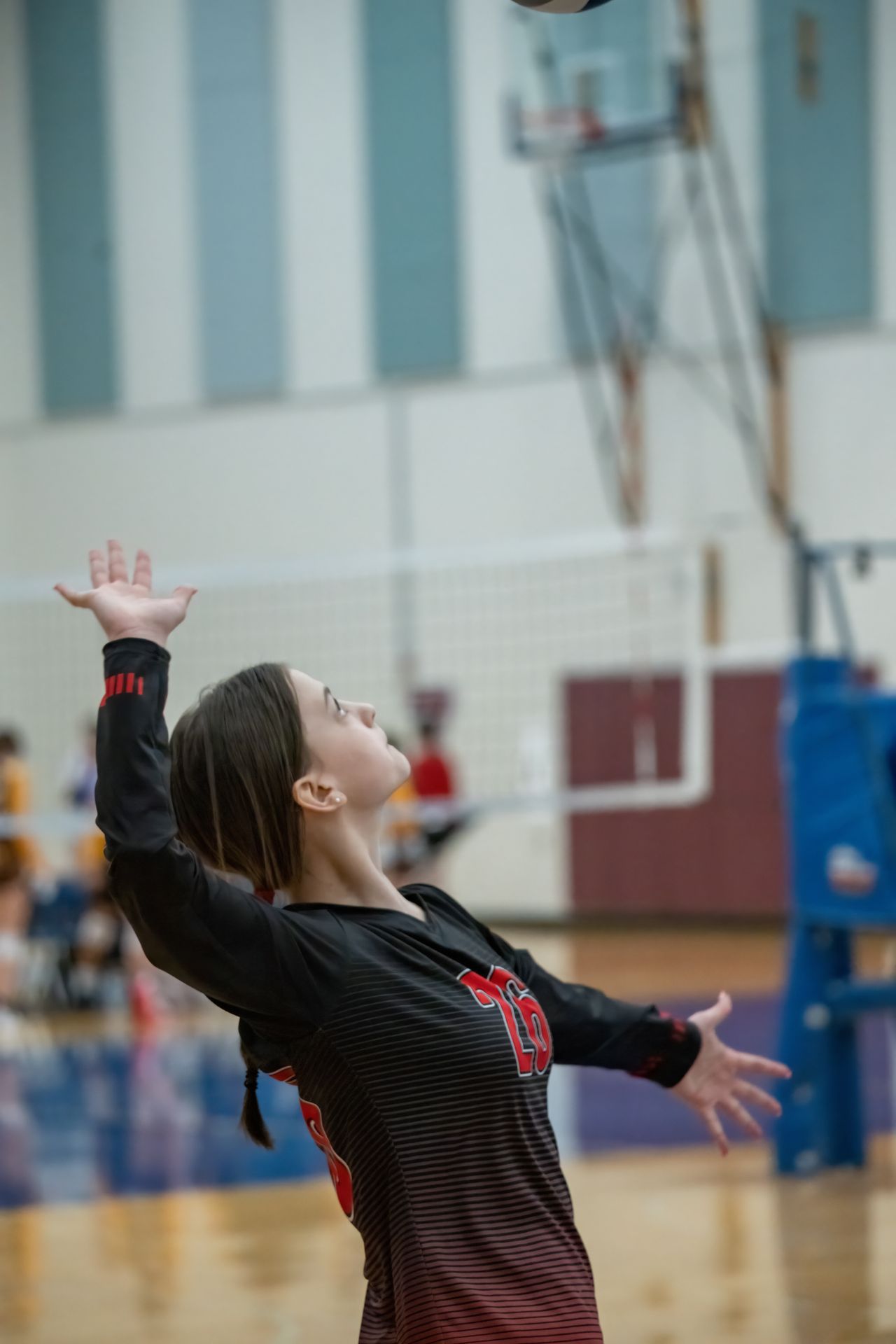
Indoor volleyball remains the foundation of the Namibian game. It is where club structures, school participation, and national-team development can create the broadest player base. The indoor game requires a steady pipeline of setters, liberos, middle blockers, and outside hitters who understand systems, spacing, and transition play. For Namibia, the challenge is raising the technical floor across that entire pipeline. A few strong athletes can change a match, but a national program improves when more players can pass under pressure, run controlled offense, and defend with structure.
Beach volleyball gives Namibia a different kind of opportunity. The country has hosted CAVB Zone VI Beach Volleyball Tour competition, and FIVB coverage has highlighted Namibia’s role in regional beach volleyball development. Hosting matters because it brings international standards into the local environment. Athletes see the speed of the game up close, coaches measure their programs against regional rivals, and the federation gains experience delivering events that connect local volleyball with the continental system.
There are also signs of individual and family-driven beach volleyball ambition in Namibia. FIVB has profiled the Krafft family’s connection to Namibian beach volleyball, including young players with aspirations toward higher international competition. That kind of story is useful because beach volleyball can sometimes develop through smaller, highly committed training groups before a country has a deep national system. A pair with consistent coaching, travel, and tournament access can become internationally relevant faster than a full indoor roster.
Namibia’s development efforts have also included outside technical support. The federation has hosted an FIVB instructor/coach visit focused on identifying national-team talent, building local coaching capacity, and raising standards in both indoor and beach volleyball. For a developing volleyball country, coach education may be the highest-leverage investment. Better coaching improves every contact: serving, passing, setting, attacking choices, blocking footwork, and defensive positioning.
The future of volleyball in Namibia depends on linking these pieces together. Indoor volleyball gives the country a participation base. Beach volleyball offers a visible regional and international pathway. Regional associations can spread the sport beyond a single hub. Coaching development can raise the level across both formats. Namibia’s ceiling will be determined by consistency: more matches, more trained coaches, stronger youth structures, and more athletes who can move from local competition into credible national-team environments.