Tokyo’s volleyball identity is built around indoor legacy, Olympic memory, professional reinvention, and the dense school-and-club culture of Japan’s capital. It is not simply another large city where volleyball is played. Tokyo is one of the sport’s symbolic homes because Olympic volleyball entered the Games there in 1964, Japan’s women became the first Olympic women’s volleyball champions, and the city later hosted the sport again at Ariake Arena during Tokyo 2020.
That history gives volleyball in Tokyo a different weight. The city is tied to the sport’s global stage, but its day-to-day volleyball scene is also shaped by the structure of Japanese sport: school teams, university programs, corporate clubs, professional leagues, and a technically disciplined style of play. Tokyo volleyball is not usually defined by beach culture or casual outdoor play. Its reputation comes from gymnasiums, systems, repetition, defense, and the expectation that players learn the details of the game early.
A City Linked to Volleyball’s Olympic Rise
Volleyball’s Olympic story cannot be told without Tokyo. The 1964 Games gave the sport its Olympic debut, and Japan’s women’s team turned that debut into a national moment. Their gold medal was not only a volleyball achievement but a statement about postwar Japanese sport, discipline, and collective excellence. The image of a Japanese women’s team beating the Soviet Union on home soil became one of the foundational scenes in Olympic volleyball history.
That legacy still matters because it helped place volleyball in Japan’s mainstream sporting consciousness. In many countries, volleyball sits outside the deepest national sports conversation. In Japan, volleyball has long had more cultural visibility, especially through women’s volleyball, school competition, manga and anime influence, and national-team followings. Tokyo, as the media and institutional center of the country, naturally sits at the center of that visibility.
The 2020 Olympic cycle reinforced the connection. Ariake Arena gave volleyball a modern Tokyo stage, and even with the unusual circumstances of the delayed Games, the city again became a reference point for international volleyball. The arena represented the contemporary version of the same relationship that began in 1964: Tokyo as a place where volleyball is not only played, but presented to the world.
Indoor Volleyball and the Tokyo Standard
Tokyo’s volleyball identity is indoor-first. The city’s best volleyball is shaped by technical organization, court discipline, serve receive, backcourt defense, and fast offensive rhythm. Japan has often produced teams that compensate for size differences through speed, precision, and defensive persistence. That national style is visible in how Tokyo players are developed, coached, and evaluated.
At the professional level, the Tokyo Great Bears have become the clearest symbol of the city’s modern men’s volleyball presence. Created after the transition from the former FC Tokyo volleyball operation, the Great Bears gave the capital a club with a more explicitly professional, entertainment-minded identity. Their existence matters because Tokyo is a demanding sports market. A volleyball club in the city has to compete for attention with baseball, football, basketball, sumo, tennis events, and an enormous entertainment economy.
That challenge also gives Tokyo volleyball upside. A successful professional volleyball identity in Tokyo can help the sport reach audiences beyond traditional school and federation circles. The Great Bears’ brand, match presentation, and attempts to connect with a broader urban fan base show how volleyball in Japan is moving from corporate-team tradition toward a more open professional sports model.
Schools, Universities, and the Development Culture
Tokyo’s volleyball base is not limited to professional clubs. The city’s school system is central to how the sport is understood. Japanese high school volleyball is serious, structured, and culturally visible. Players learn position-specific discipline early, and the sport rewards those who can handle long training hours, tactical instruction, and the pressure of tournament competition.
For many athletes, volleyball begins in school gyms rather than in private academies. That gives the sport a rhythm tied to education, team hierarchy, and seasonal tournaments. Setters are expected to manage tempo and decision-making. Liberos and defensive specialists are valued because the Japanese game places such emphasis on keeping rallies alive. Outside hitters must be able to pass, not only attack. Middle blockers are trained to move quickly and read the setter, even when they are not physically dominant by international standards.
Universities add another layer. Tokyo’s higher-education landscape gives the city a deep pool of young adults who continue playing beyond high school. University volleyball is not the commercial peak of the sport, but it is important for late development, coaching networks, and the transition between youth competition and senior-level play.
Women’s Volleyball and the Weight of Tradition
Women’s volleyball has a particularly strong place in Tokyo’s volleyball identity. The 1964 gold medal created a standard that future Japanese teams have had to carry, and Tokyo has remained part of the sport’s media and institutional environment. The women’s game in Japan is associated with defensive quality, quickness, serve pressure, and collective organization.
That tradition has helped volleyball maintain visibility among girls and young women. In Tokyo, the sport offers a competitive pathway that feels established rather than experimental. Girls can see volleyball as a school sport, a university sport, a professional possibility, and a national-team dream. The challenge is not convincing people that volleyball belongs. The challenge is maintaining elite standards in a global game where height, power, and professional depth continue to rise.
Beach Volleyball’s Secondary Role
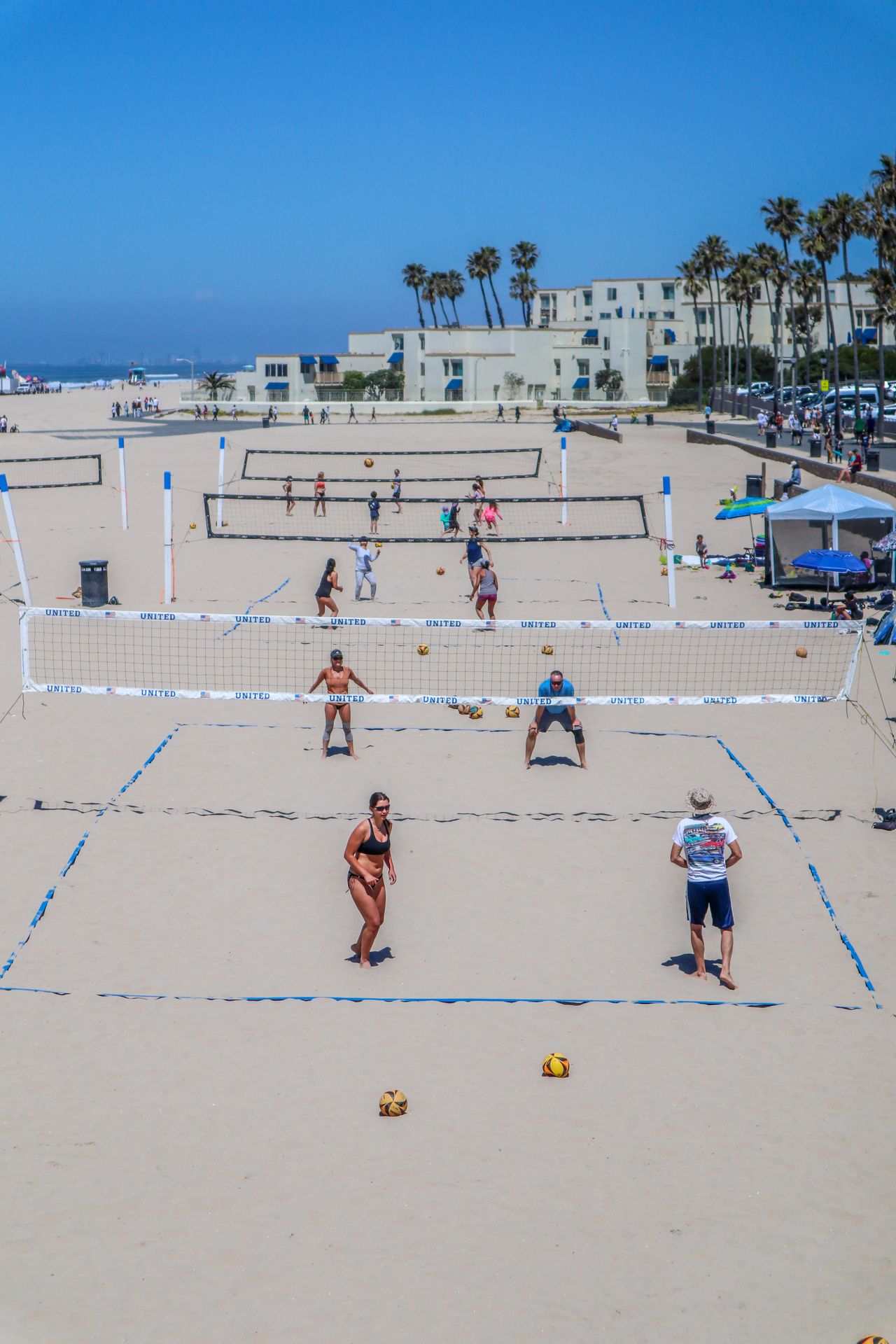
Tokyo has beach volleyball, but it does not define the city the way indoor volleyball does. The Tokyo area has waterfront spaces and access to beach communities beyond the central city, but the capital’s volleyball imagination is still primarily built around indoor courts. Beach volleyball is more visible during international events and summer programming than as the core identity of the city.
That contrast is important. In some global cities, volleyball means sand, sunshine, and recreation first. In Tokyo, volleyball means systems, teams, gyms, school tournaments, professional clubs, and national-team history. Beach volleyball broadens the scene, but it does not displace the indoor game.
Where Tokyo Volleyball Is Heading
Tokyo’s volleyball future depends on how well the city connects tradition with professional growth. The legacy is already secure. Few cities can claim a deeper link to Olympic volleyball. The development base is strong. The technical culture is respected. The fan base exists, even if volleyball must work to hold attention in a crowded sports market.
The next stage is about presentation and professional identity. Clubs such as the Tokyo Great Bears point toward a version of volleyball that is more visible, more urban, and more entertainment-aware. If Tokyo can combine school-based depth with stronger professional branding, the city can remain not only a historic volleyball capital but one of the sport’s modern growth markets in Asia.